Dog Health
Dog Gut Health: A Practical Guide for Owners
"Gut health" is shorthand for how well your dog's digestive system breaks down food, absorbs nutrients, and keeps its community of gut microbes in balance. When that balance is steady, you tend to see firm stools, a good appetite, and a comfortable, energetic dog. When it's off, digestion is usually the first place it shows. This guide explains what dog gut health really is, why it matters, the everyday habits that support it, and the signs that mean a problem belongs with your veterinarian rather than a home remedy.
The short version
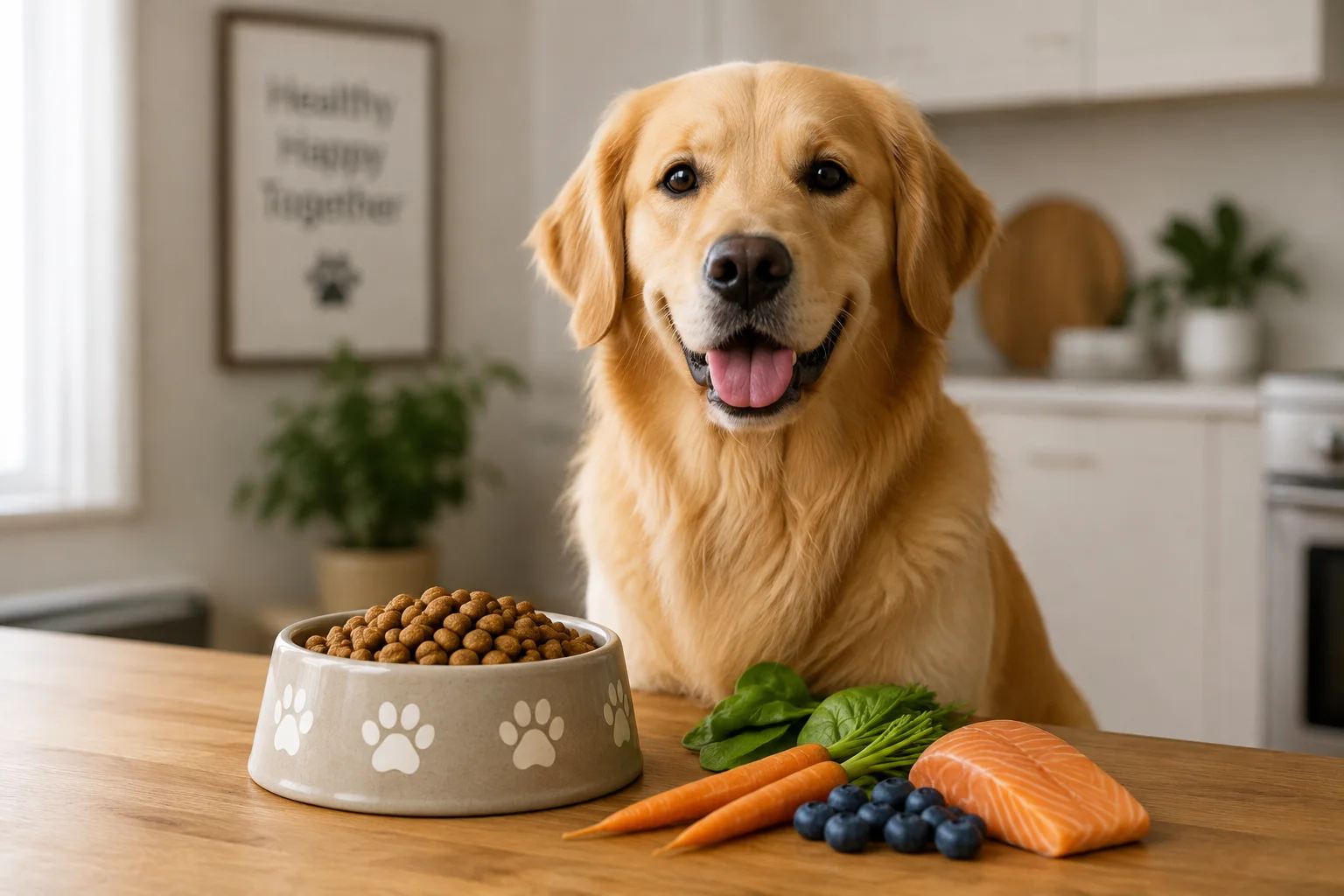
Good dog gut health means consistent digestion, firm stools, a steady appetite, and a balanced gut microbiome. The biggest everyday disruptors are sudden diet changes, stress, illness, and courses of antibiotics. You can support it with a steady, quality diet, gradual food transitions, a calm routine, and — where appropriate — fiber and probiotics. Serious, bloody, or lasting digestive problems are a reason to see your veterinarian, not to self-treat.
What dog gut health actually means
Dog gut health is how well your dog's digestive tract does three jobs at once: breaking food down, absorbing nutrients and water, and keeping a stable, diverse community of gut microbes. A "healthy" gut isn't a single number you can measure at home — it's a system that works smoothly. Food is digested, waste comes out well-formed, and the microbial community stays balanced rather than being dominated by less helpful bacteria.
Your dog's gut does more than move food along. It's where most nutrients are absorbed, where a large share of the immune system lives, and home to trillions of microorganisms collectively called the gut microbiome. Because so much is happening in one place, the gut is often the first system to show that something is off — which is exactly why owners notice gut health through stools, appetite, gas, and energy long before anything else.
It also helps to know what normal looks like for your own dog. Most healthy adult dogs pass firm, well-shaped stools once or twice a day, eat with reasonable enthusiasm, and have settled, quiet digestion between meals. Some day-to-day variation is normal. Judging "healthy" against your dog's own baseline is far more useful than comparing to an absolute ideal.
The canine gut microbiome and dog gut health
The canine gut microbiome is the population of bacteria and other microorganisms living mainly in the intestines, and it sits at the centre of dog gut health. In a balanced gut, helpful microbes ferment fiber, produce useful compounds that nourish the gut lining, support immune signalling, and crowd out less helpful bacteria. When that balance is disturbed — a state often called dysbiosis — digestion tends to become less reliable.
Diet, age, environment, stress, and medications all shape this community, which is why two dogs can respond quite differently to the same food. It's also why gut health is rarely fixed by a single product or a one-off change: a stable microbiome is built and maintained by consistent, everyday conditions rather than a quick reset. Understanding that the microbiome is a living, changeable system is the foundation for everything else in this guide.
Signs of good vs. poor dog gut health
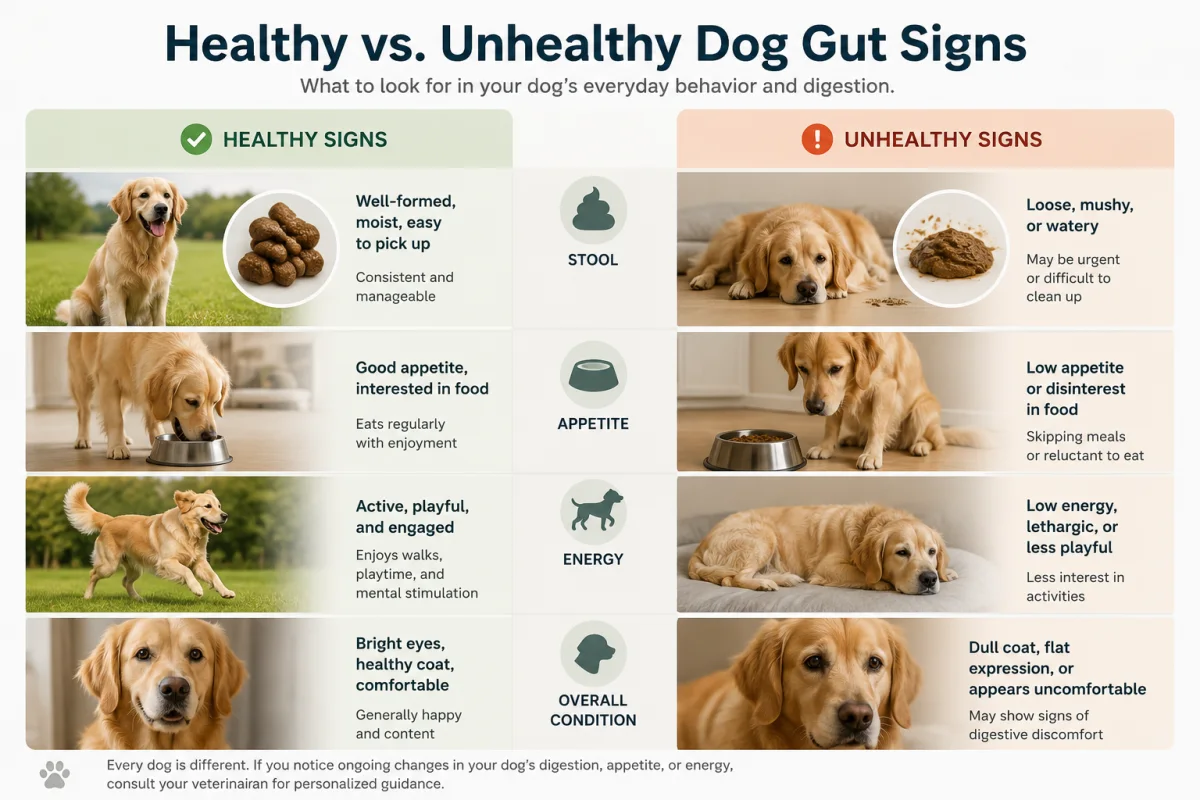
The clearest signs of dog gut health show up in the bathroom and the food bowl. A gut that's working well usually looks like this:
- Firm, consistent, easy-to-pick-up stools — the single most useful everyday indicator.
- A steady appetite and normal energy — eating well and behaving like themselves.
- Little excess gas and no frequent stomach gurgling or obvious discomfort.
- A reasonable coat and skin condition, which often tracks with good nutrient absorption.
Signs a dog's gut may be out of balance include loose or inconsistent stools, frequent gas, a sensitive or gurgling stomach, a dip in appetite, an itchy coat, or lower energy than usual. An occasional off day is normal and rarely a concern on its own. What isn't normal is digestive trouble that's severe, contains blood, or drags on — that belongs in the veterinary section below, not in a home remedy.
What affects your dog's gut health
Most everyday changes in dog gut health trace back to a handful of familiar causes. Knowing them makes it easier to spot what's behind a bout of loose stools — and often to prevent the next one:
- Sudden diet changes. Switching foods too quickly gives the gut and its microbes no time to adapt, and it's one of the most common triggers of upset.
- Dietary indiscretion. Table scraps, bin raiding, a rich chew, or something found on a walk can all unsettle digestion.
- Stress and travel. Boarding, moving, a new pet, or a change in routine can show up directly in a dog's stools.
- Illness and medications. Infections, and especially courses of antibiotics, can disturb the microbiome and loosen stools.
- Age and life stage. Puppies and senior dogs often have more sensitive or less resilient digestion than healthy adults.
Notice that most of these are things you can influence. Diet consistency, careful transitions, managing scavenging, and keeping stress low around known triggers cover the majority of preventable gut upsets in otherwise healthy dogs. Managing where and how much a dog grazes fits here too, which is why it helps to decide whether to let your dog eat grass in the first place.
How diet supports dog digestive health
Yes — diet is the single biggest lever most owners have over dog digestive health, because food is what the gut and its microbes work with every day. A diet your dog genuinely does well on, fed consistently, gives the microbiome stable conditions and tends to produce firm, predictable stools. Constant switching does the opposite.
A few dietary principles help most dogs:
- Consistency first. A complete, good-quality food your dog tolerates well beats frequent variety for its own sake.
- Fiber matters. Appropriate fiber feeds beneficial microbes and helps regulate stool consistency, though more is not automatically better; see our guide to high-fiber dog food for how to choose.
- Digestibility over hype. How well a food is absorbed matters more than marketing claims on the bag.
- Treats in proportion. Treats and scraps add up quickly and can unbalance an otherwise good diet.
For dogs that react easily to food, a more digestible, simpler recipe can make a real difference — our guide to choosing dog food for a sensitive stomach covers digestibility, ingredient simplicity, and the questions worth asking your vet about a diet change. No single food "cures" digestive problems, but the right everyday diet is often the most powerful support there is.

Affiliate Disclosure: This page contains affiliate links. As an Amazon Associate I earn from qualifying purchases (the fiber-product links below), and we may earn a commission if you buy PawBiotix through our link — at no additional cost to you.
Fiber, gas and dog digestive health
Fiber is one of the most useful — and most misunderstood — levers in dog digestive health. It comes in two broad types that do different jobs: soluble fiber (found in ingredients like beet pulp, psyllium and pumpkin) absorbs water and is fermented by gut microbes, while insoluble fiber adds bulk and helps move things along. A good diet usually contains a sensible blend, and the right amount firms up loose stools without tipping a dog into the opposite problem.
- High-fiber dog foods are sometimes recommended for dogs with recurring loose stools, weight management needs, or anal-gland trouble. They can help the right dog, but "more fiber" isn't automatically better — too much can loosen stools, reduce nutrient absorption, and increase gas.
- A fiber supplement for dogs — plain canned pumpkin (opens in a new tab) or a vet-suggested psyllium fiber supplement (opens in a new tab) — is a common way to steady stool consistency short-term. Introduce it slowly and in modest amounts, and treat it as support rather than a fix for an ongoing problem.
- Gassy dogs are often reacting to diet: food that's too rich, a recent change, eating too fast, or a recipe they simply don't digest well. Steadying the diet, slowing eating, and getting fiber into a sensible range resolves a lot of everyday gas — persistent, foul or painful gas is worth a vet visit.
If you're adjusting fiber because your dog reacts easily to food, it's usually best done as part of the wider diet decision covered in our guide to the best dog food for a sensitive stomach, and with your vet's input if the signs keep returning.
Everyday ways to support dog gut health
Supporting dog gut health is mostly about steady, low-risk habits rather than special products. These are the steps that help most dogs:
- Feed a consistent, quality diet your dog does well on, and avoid frequent switching.
- Transition foods gradually over about a week, mixing in a little more of the new food each day.
- Watch treats and scraps — keep them modest so they don't unbalance the main diet.
- Keep a routine. Regular meals, daily exercise, and low stress all support steady digestion.
- Ensure fresh water is always available — hydration underpins healthy digestion.
- Consider fiber and probiotics where appropriate — more on that below.
None of this is dramatic, and that's the point. A stable gut is the product of consistent conditions over weeks, not a single intervention. If you only change one thing, make it consistency.
Dog gut health and digestive upset
Gut health and digestive upset are two sides of the same coin: loose stools, gas, and an unsettled stomach are usually the gut telling you its balance has been disturbed. A single soft stool after a rich treat is a minor, self-limiting event. Repeated or watery diarrhea, especially with other signs, is a bigger deal and shouldn't be waited out indefinitely.
The relationship runs both ways. Poor gut balance makes upsets more likely, and repeated upsets — from sudden food changes, scavenging, or stress — keep the microbiome from settling. Breaking that cycle usually means steadying the diet and routine rather than reaching for one product. For the specifics of managing loose stools, what to monitor, and when it becomes urgent, see our companion guide to dog diarrhea: causes, home care and when to see a vet — and, once your vet has ruled out anything serious, what to feed a dog with diarrhea.
When digestive trouble has a name: colitis and IBD
Most gut upsets in healthy dogs are short-lived and diet-related. Sometimes, though, the problem has a specific name — and that's a signal to involve your veterinarian rather than to keep experimenting at home.
Colitis in dogs means inflammation of the colon (the large intestine). Owners usually notice frequent, urgent, small-volume stools, often soft or jelly-like with mucus, and sometimes a streak of fresh blood. Acute colitis is common and frequently triggered by stress, a sudden diet change, or scavenging, and it often settles with vet-guided supportive care. Chronic or recurring colitis, on the other hand, needs proper investigation.
People often ask what not to feed a dog with colitis. As a general principle, high-fat, rich, spiced or unfamiliar foods, table scraps and fatty treats tend to make things worse, and an abrupt food change can be a trigger in itself. What actually helps — a temporary bland diet, a specific fiber approach, or a therapeutic food — depends on the individual dog and is best decided with your vet, because the "right" diet for one type of colitis can be wrong for another.
Inflammatory bowel disease (IBD) is a chronic condition that can cause ongoing vomiting, diarrhea, weight loss or a poor appetite. It's a veterinary diagnosis reached by ruling other things out, and it's managed with a combination of diet and medication — not something a supplement resolves on its own.
In all of these, probiotics and fiber may play a supporting role, but they sit alongside veterinary care, never in place of it. If your dog's signs are persistent, recurring, or accompanied by blood, weight loss or low energy, use our dog diarrhea guide to gauge urgency and speak to your veterinarian.
Where probiotics and prebiotics fit in dog gut health
Probiotics can support dog gut health, but they're best understood as supportive care rather than a cure. Probiotics are live, beneficial bacteria; prebiotics are the fibers that feed them. Together they're intended to help maintain a balanced microbiome. The evidence in dogs is encouraging — particularly for mild, short-lived upsets and as part of recovery after antibiotics — but results vary between dogs, and no supplement fixes an underlying problem.
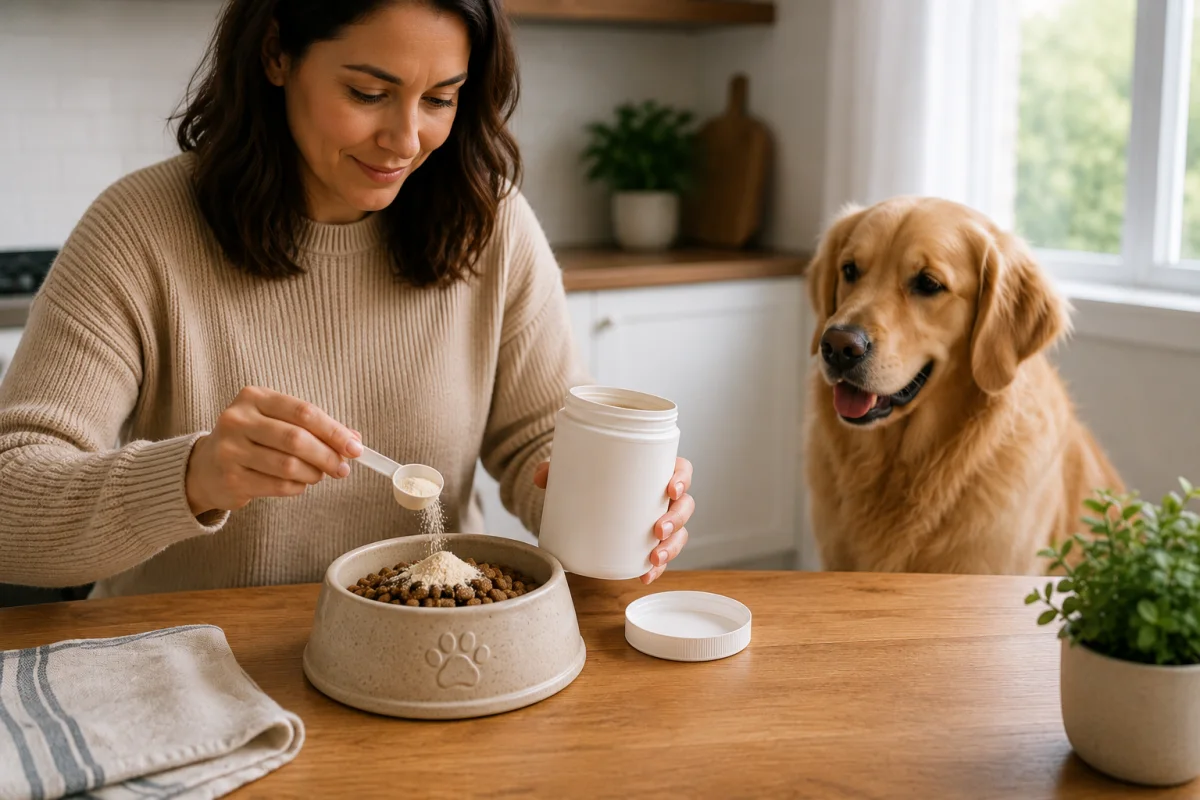
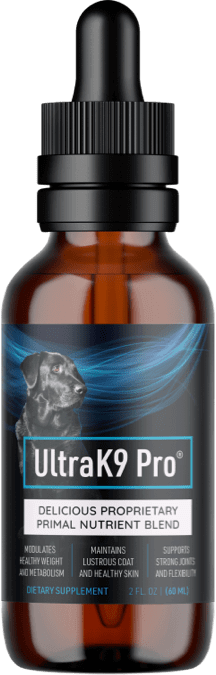
If you're weighing a supplement, a few honest expectations help. Probiotics work best alongside a steady diet and routine, not as a substitute for them. Quality, strain, and consistent daily use matter more than a big label claim. And they aren't universally necessary — plenty of dogs maintain good gut health on diet and routine alone. If your dog has a health condition or takes medication, check with your veterinarian first. Probiotics are also only one category of supplement; if you're comparing other formats for digestive support, our UltraK9 Pro review looks at one whole-food liquid option and what to check before buying.
Our companion guides cover the details: what dog probiotics are and how they work, whether they're safe for dogs, how much to give, and how to choose one. You can also browse the full dog probiotics hub, or read our hands-on PawBiotix review for one example of what to look for in a product — or check the current PawBiotix offer (opens in a new tab) on its official site, which is also listed on Amazon (opens in a new tab).
When dog digestive health needs a veterinarian
Home care is reasonable for a mild, short-lived upset in an otherwise well adult dog. Contact your veterinarian promptly — or seek emergency care — if you notice: blood in stool or vomit, or black, tarry stools · repeated vomiting, or diarrhea lasting more than about a day or two · lethargy, weakness, or collapse · a swollen, tense, or painful belly · signs of dehydration · suspected poisoning or a swallowed object · a dog who seems in pain.
Use a lower threshold — call sooner — for puppies, senior dogs, pregnant dogs, very small breeds, and any dog with an existing health condition or on medication. If you're unsure, phoning your clinic for advice is always reasonable; that's part of what they're there for.
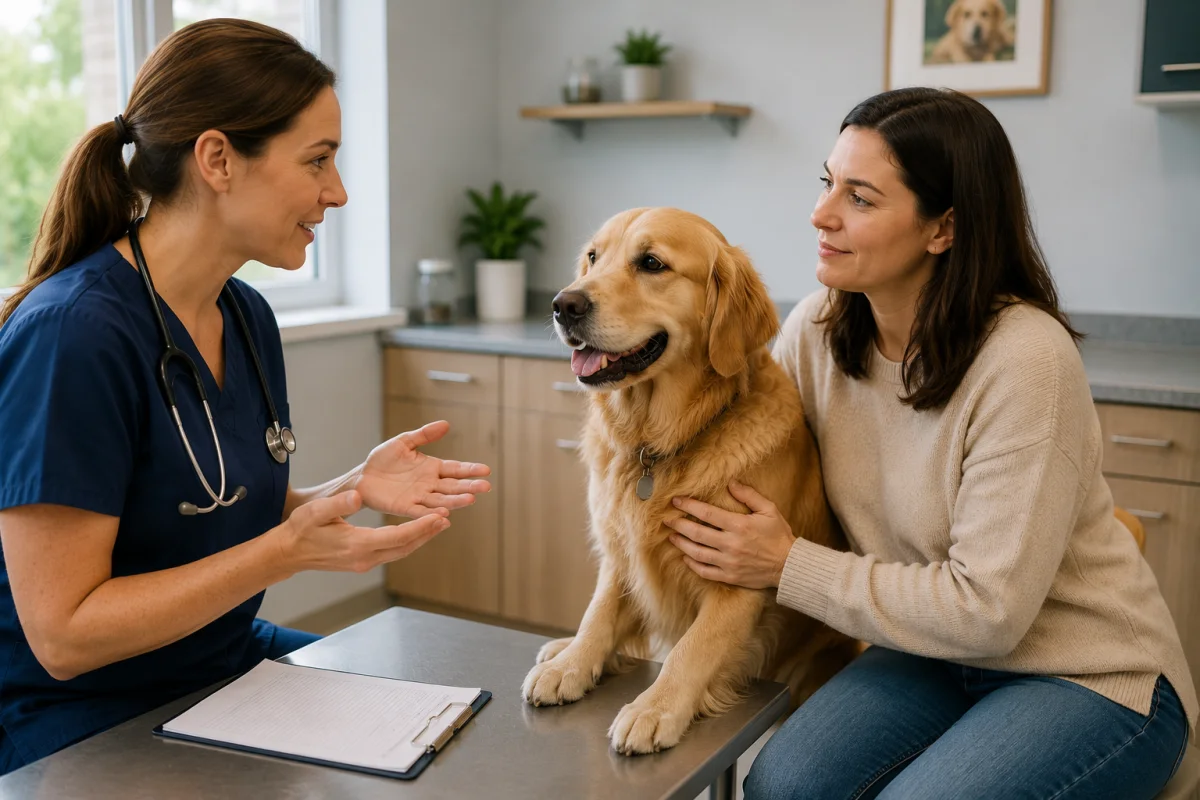
How we research dog gut health topics
Our dog gut health guidance is written to be practical and honest rather than alarming or oversold. We lean on established veterinary and canine-health sources, we describe what the evidence actually supports (including where it's limited), and we're careful to separate everyday owner observation from decisions that need a professional. Where the research is genuinely mixed — as it often is with supplements — we say so rather than implying certainty.
We don't invent statistics, clinical findings, or product claims, and nothing here is a diagnosis. When guidance touches on symptoms or treatment, we point you to your veterinarian, who can examine your dog and account for their history. The goal is a resource you can trust to help you make sensible decisions and know when to get help.
Frequently asked questions
What is dog gut health?
Dog gut health describes how well your dog's digestive system breaks down food, absorbs nutrients, and keeps its gut microbiome in balance. In practice you see it as firm, consistent stools, a steady appetite, comfortable digestion, and normal energy.
How can I tell if my dog has an unhealthy gut?
Common signs include loose or inconsistent stools, frequent gas, a gurgling or sensitive stomach, reduced appetite, an itchy coat, or lower energy. Occasional upsets are normal, but problems that are severe, contain blood, or last more than a day or two warrant a call to your veterinarian.
Can diet affect dog gut health?
Yes — diet is the biggest everyday influence on gut health. A consistent, digestible food your dog tolerates well supports a stable microbiome and firm stools, while frequent switching, too many treats, or a food your dog doesn't handle well tends to cause upset.
What upsets a dog's gut the most?
Sudden diet changes, eating something they shouldn't, stress, travel, illness, and courses of antibiotics are among the most common disruptors of dog gut health.
Do probiotics improve dog gut health?
Probiotics are intended to support a balanced microbiome, and research in dogs is encouraging, though results vary. They are supportive care rather than a cure, work best alongside a steady diet and routine, and are best discussed with your veterinarian.
What can I give my dog for gas?
Most gas is diet-related. Steadying the diet, slowing fast eaters, cutting rich treats and scraps, and getting fiber into a sensible range resolve a lot of everyday gas. A plain fiber source such as canned pumpkin can help some dogs. Persistent, foul-smelling or painful gas — especially with a swollen belly — warrants a vet visit.
Is colitis in dogs serious?
Acute colitis (inflammation of the colon, often seen as frequent soft stools with mucus) is common and frequently settles with vet-guided care after a dietary or stress trigger. Colitis that keeps coming back, or comes with blood, weight loss or low energy, needs veterinary investigation rather than home management.
How long does it take to improve a dog's gut health?
It varies. A mild upset may settle within a few days with simple supportive care, while rebuilding overall balance is gradual — measured in weeks of consistent feeding and routine. Persistent problems should be evaluated by a veterinarian.
Related Articles
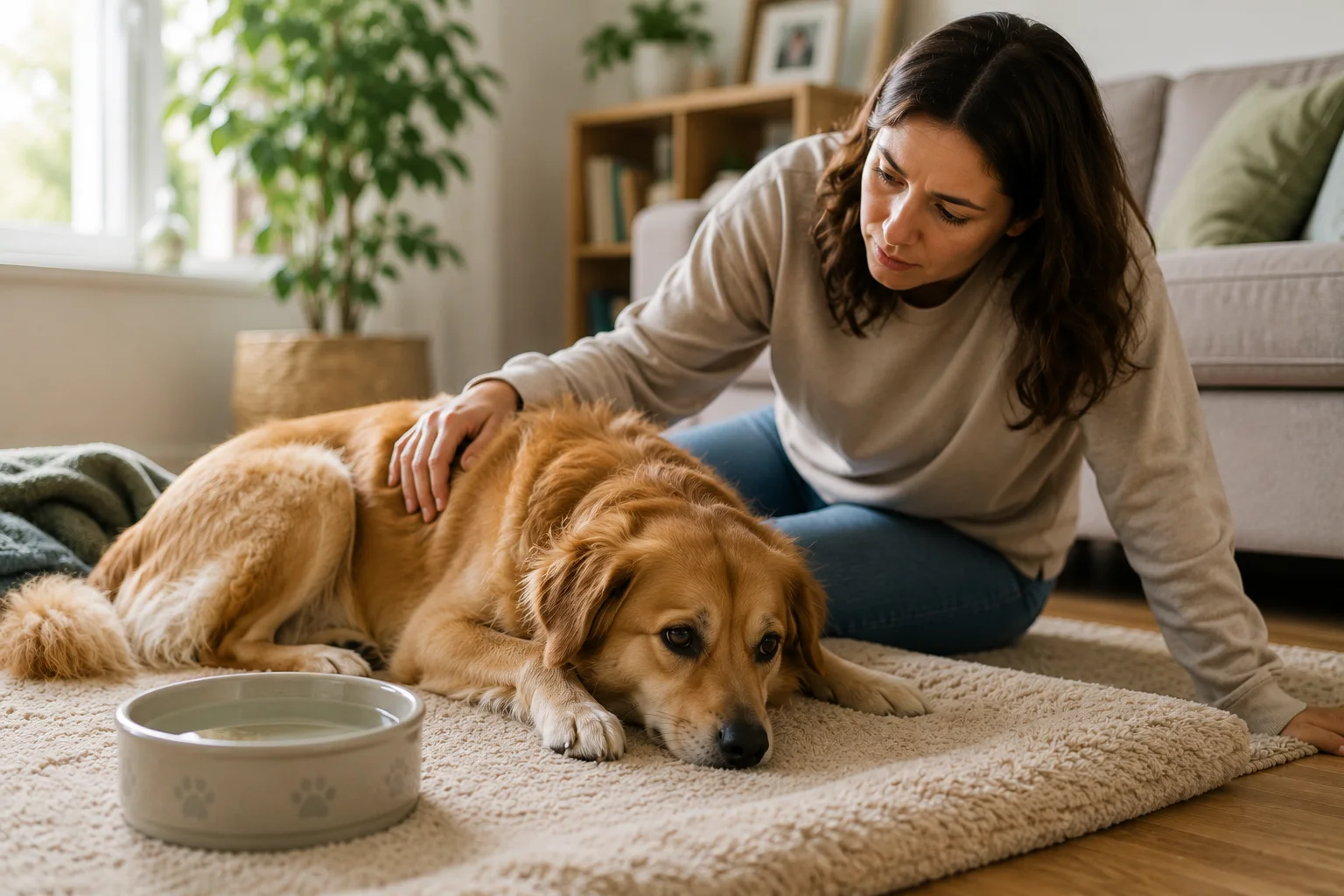 Dog diarrhea: causes, home care and when to see a vet
What causes loose stools, what to monitor at home, and the red flags that need a vet.
Dog diarrhea: causes, home care and when to see a vet
What causes loose stools, what to monitor at home, and the red flags that need a vet.
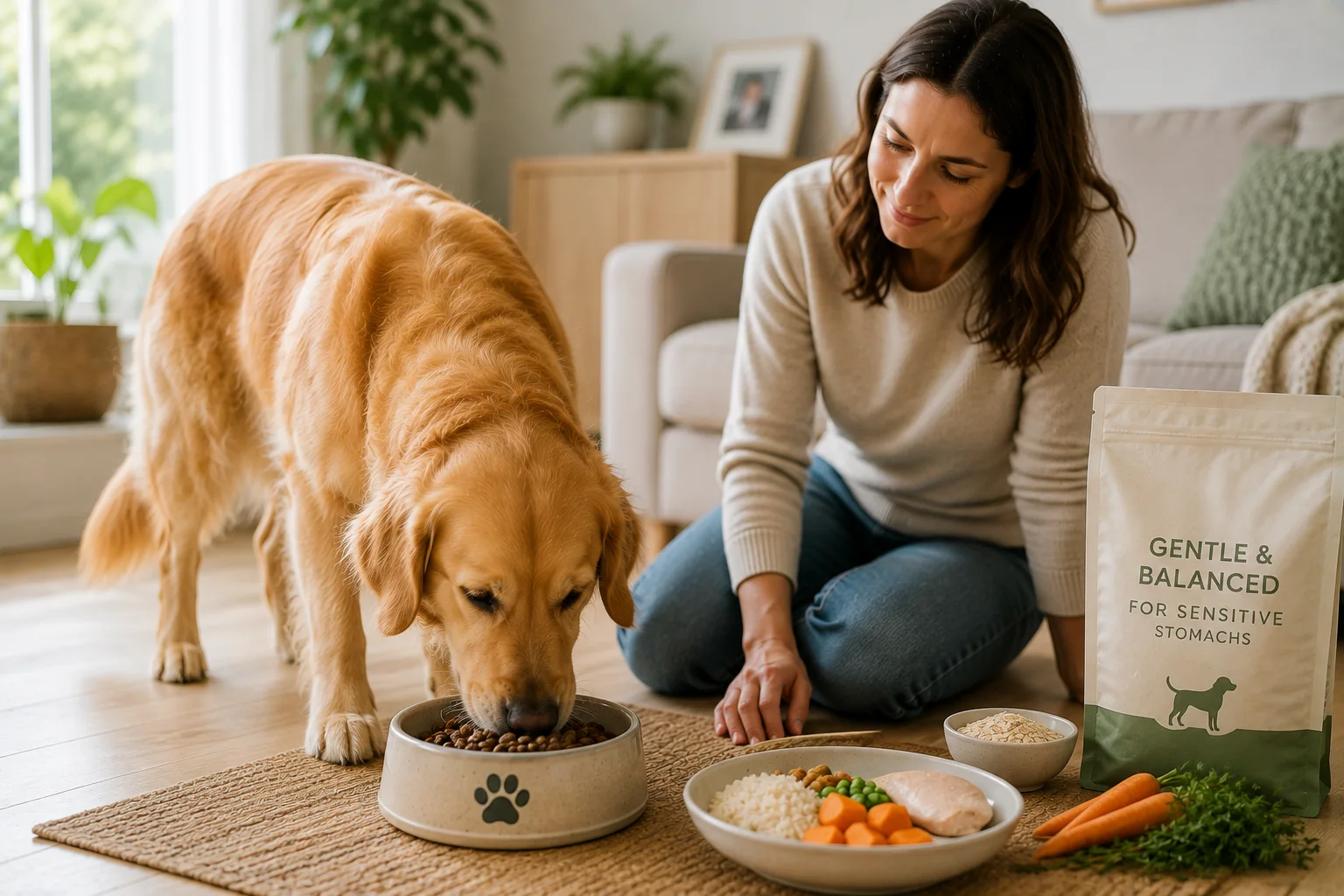 Best dog food for a sensitive stomach
How to choose a digestible, well-tolerated food for a dog prone to upset.
Best dog food for a sensitive stomach
How to choose a digestible, well-tolerated food for a dog prone to upset.
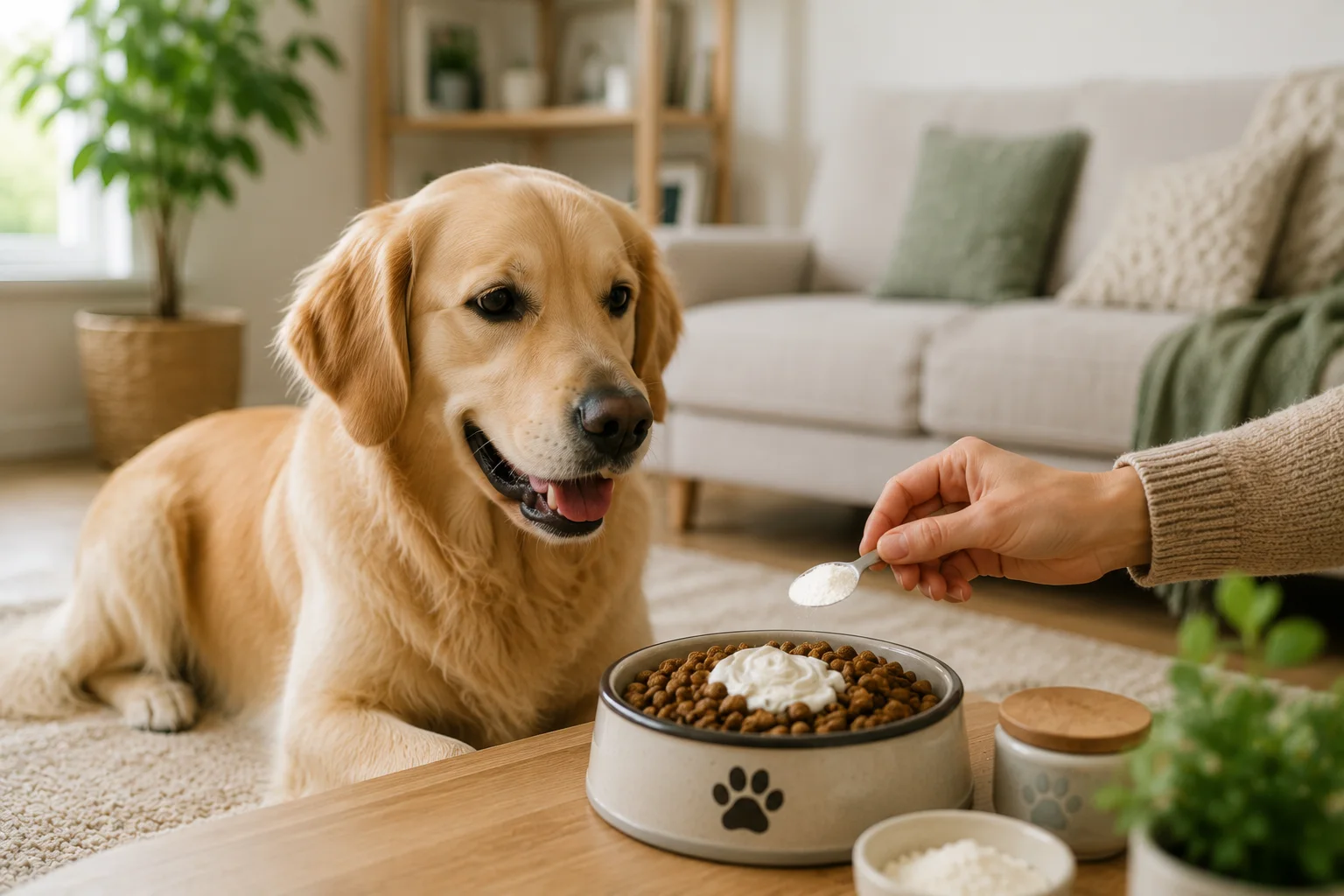 What are probiotics for dogs?
How probiotics work, what the evidence shows, and where they fit in gut support.
What are probiotics for dogs?
How probiotics work, what the evidence shows, and where they fit in gut support.
References
- American Kennel Club (AKC). "How Probiotics Work in Every Stage of a Dog's Life." akc.org
- PetMD (vet-reviewed). "Probiotics for Dogs." petmd.com
- Systematic review: "Clinical effect of probiotics in prevention or treatment of gastrointestinal disease in dogs." PMC. ncbi.nlm.nih.gov
- "Application of Probiotics in Cats and Dogs: Benefits and Mechanisms." Veterinary Sciences, MDPI (2025). mdpi.com
Medical note: This article is general education for dog owners, not veterinary advice, diagnosis, or treatment. Always consult your veterinarian about your dog's health, especially for persistent or severe symptoms.