Dog Probiotics
Dog Probiotics
Probiotics are live, beneficial bacteria given to support a dog's gut. They're one of the most heavily marketed supplements in pet care, which makes it unusually hard to find a straight answer about what they actually do. This section is our attempt at one: five focused guides, each answering a single question, plus a buyer's guide for when you've decided to try one.
The short version
Probiotics are live bacteria intended to support a balanced gut microbiome; prebiotics are the fibers that feed them. Research in dogs is encouraging for some situations — particularly short-lived digestive upsets — and unremarkable in others, with results varying between individual dogs. Treat them as supportive care, not treatment: they don't diagnose or fix an underlying problem, and a dog who is genuinely unwell needs a veterinarian rather than a supplement.
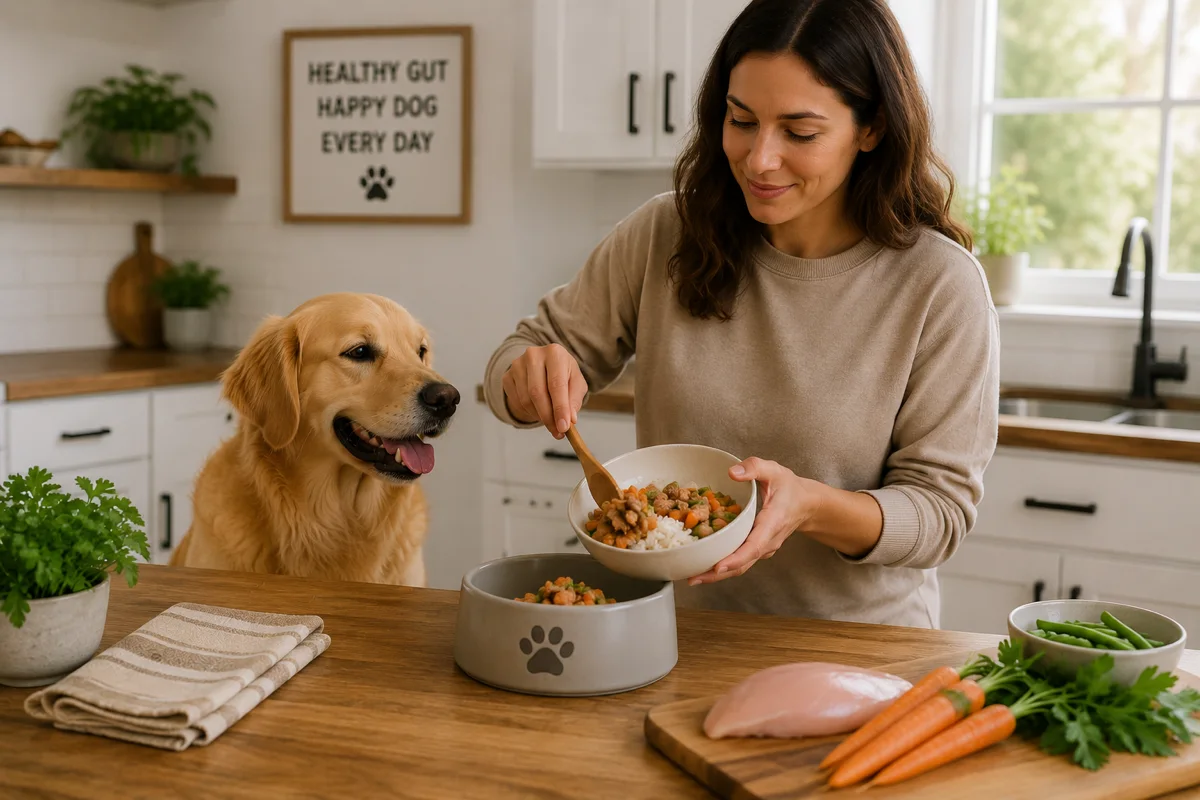
The guides below are deliberately narrow. Rather than one long article that tries to answer everything, each page takes one question owners actually search for and answers it properly, with sources. If you're new to the topic, read them in order; if you arrived with a specific question, go straight to it.
Dog Probiotics Guides in This Section

What are probiotics for dogs?
The starting point: what probiotics are, how they differ from prebiotics, what the gut microbiome has to do with it, and why canine-specific products are generally preferred.
Are probiotics safe for dogs?
What's known about tolerance and side effects, the mild digestive changes some dogs show at first, and which dogs should have veterinary input before starting.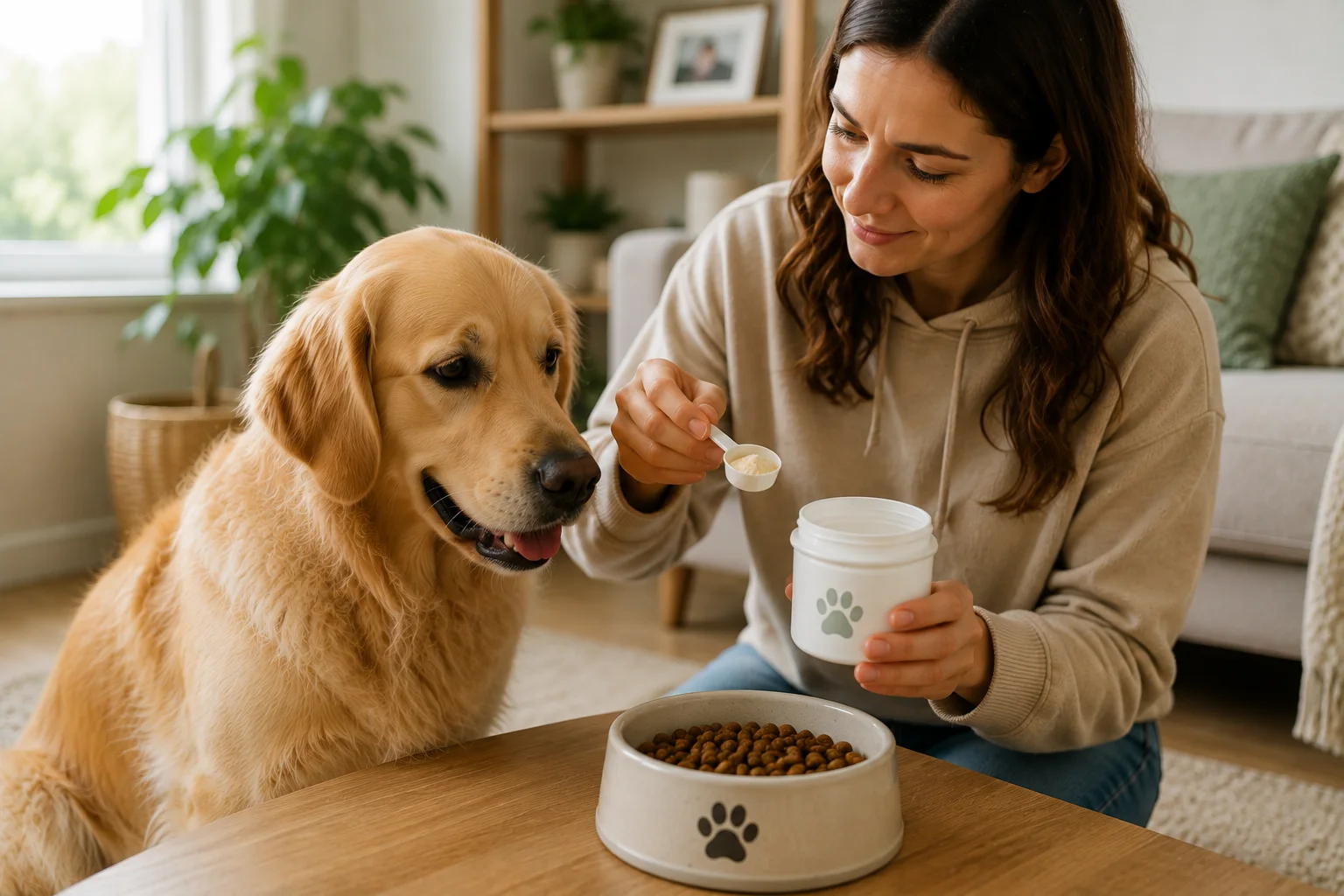
Dog probiotic dosage
How dosing generally works, why CFU counts alone don't tell you much, and why the label's directions for your dog's weight matter more than any universal number.
Probiotics for dog diarrhea
The specific question: what the research shows about probiotics and loose stools, where they may shorten an episode, and where they're the wrong tool entirely.
Probiotics after antibiotics
Why a course of antibiotics disturbs the gut, what's reasonable to expect from a probiotic afterwards, and why timing should be agreed with your vet.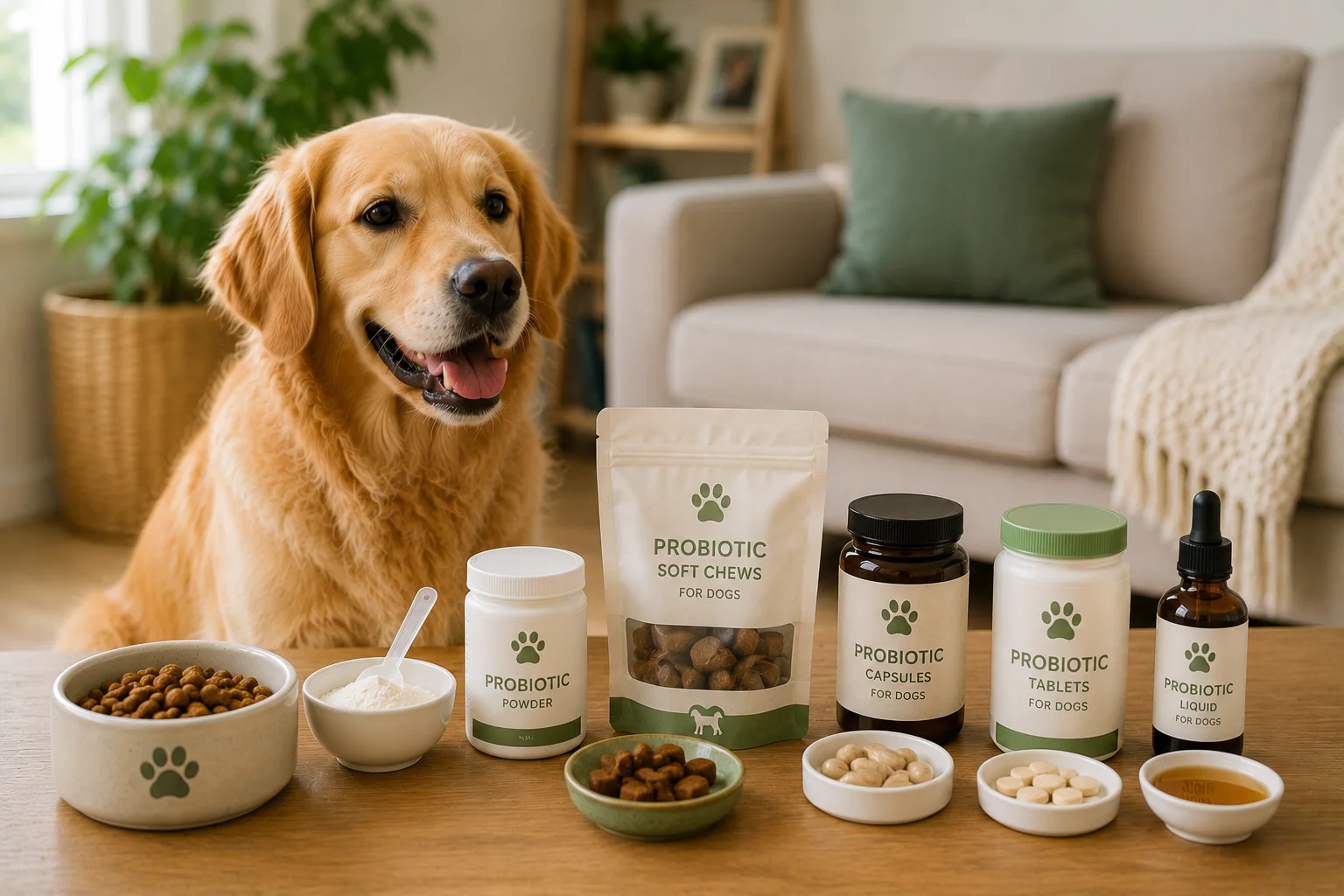
How to choose a dog probiotic
Our buyer's guide: the criteria that separate a credible product from a vague one, how powders and chews compare, label red flags, and how to run a fair trial.Which Dog Probiotics Guide Answers Your Question?
If you're not sure where to start, this is roughly how the questions map:

- "What even is this?" — start with what probiotics are.
- "Could it upset my dog?" — read the safety guide, especially if your dog is a puppy, a senior, unwell, or on medication.
- "How much do I give?" — see dosage, then follow your product's label.
- "My dog has loose stools right now." — read our dog diarrhea guide first for what to monitor and when to call the vet, then probiotics for diarrhea for whether a supplement has any role.
- "My dog just finished antibiotics." — see probiotics after antibiotics.
- "I've decided to buy one." — use the buyer's guide criteria, and see our PawBiotix review for an example of those criteria applied to a specific product.
Where Dog Probiotics Fit in the Bigger Picture
A probiotic is one small input into a much larger system. Diet consistency, gradual food transitions, routine, exercise and stress all shape a dog's digestion, and for many dogs those levers matter more than any supplement. Our dog gut health guide covers that wider view, and if food is the suspected trigger, our sensitive-stomach food guide is the better place to start. Everyday habits count too, including grazing — our guide on whether you should let your dog eat grass puts that behaviour in context.
How we handle products here: this section is educational and contains no product sales pitch. Where we discuss specific products — on our buyer's guide and review pages — we say which facts come from the manufacturer and which we can verify ourselves, and any affiliate links are disclosed. See our disclaimer for details.
Medical note: General education, not veterinary advice. Ask your veterinarian whether a probiotic is appropriate for your dog, particularly if your dog is unwell, very young, elderly, immunocompromised, or taking medication.