Dog Probiotics
Do Probiotics Help Dogs with Diarrhea?
Probiotics can be a reasonable part of supportive care for mild, short-lived diarrhea in an otherwise well dog — and the evidence is most encouraging for acute cases. They are not a cure for whatever is causing the problem, and they don't replace a vet visit when a dog is genuinely unwell.
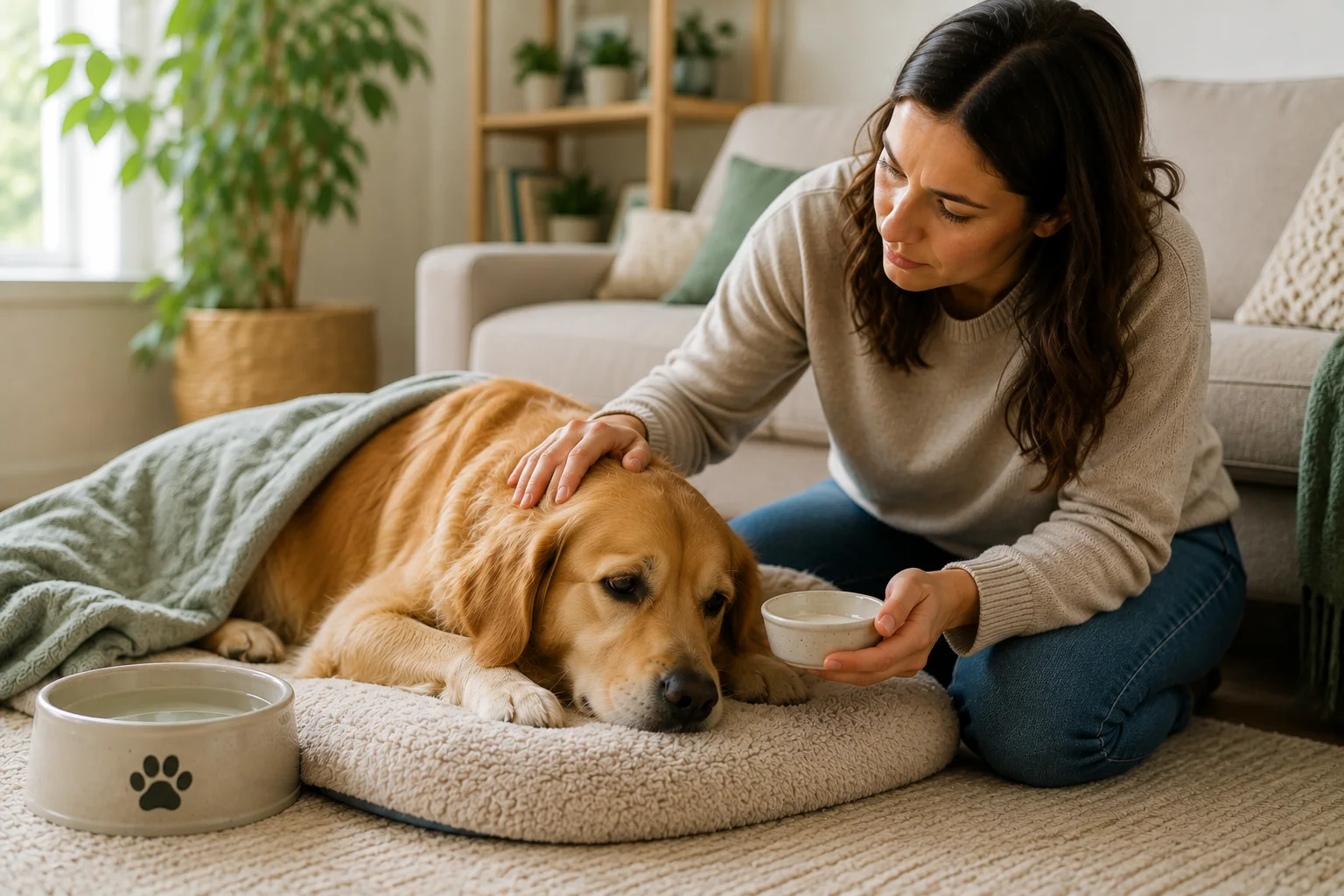
The short version
May help mild, acute diarrhea as part of supportive care. Strongest evidence is for short-term upset, including after antibiotics. Not a treatment for the underlying cause. Blood, repeated vomiting, lethargy, or diarrhea lasting more than a day or two means see a vet.
This page is specifically about whether probiotics help. If you're looking for the broader picture — what causes diarrhea, what to monitor at home, hydration, and when it becomes urgent — start with our guide to dog diarrhea and come back to this once you know a mild episode is what you're dealing with.
What the evidence says
A systematic review of probiotics in canine gastrointestinal disease found the clearest signals for acute diarrhea, where some studies reported a shorter duration of signs, while judging the overall evidence limited. In short: promising for short-term upset, not a proven fix for chronic problems.
Acute vs. chronic diarrhea
Probiotics fit best with acute, self-limiting upset — the kind that follows a diet change or a bit of dietary indiscretion. Chronic or recurring diarrhea needs a diagnosis, because it can signal an underlying condition that a supplement won't address.
How fast might they work?
For acute upset, some dogs improve within a few days when a probiotic is combined with sensible supportive care. Results vary, and lack of improvement is a reason to involve your veterinarian rather than to keep waiting.
Affiliate Disclosure: We may earn a commission if you buy PawBiotix through links on this page, at no additional cost to you.
Diarrhea after antibiotics, stress or diet change
Loose stools during or after antibiotics are common, and this is one of the more plausible situations for a probiotic to help the gut re-stabilise — more in our guide on probiotics after antibiotics. Stress and diet-change diarrhea are also typically short-lived and respond to supportive care.
Sensible supportive care
For a mild case in a well adult dog, that usually means fresh water, a gentle bland diet if your vet advises it — our guide to what to feed a dog with diarrhea covers the usual approach — and possibly a probiotic given at its normal labelled serving — diarrhea isn't a reason to increase the dose, as our guide to probiotic dosage for dogs explains. Keep an eye on the whole picture — energy, appetite, and hydration — not just the stool.
What to look for in a probiotic for diarrhea
There's no single "best dog probiotic for diarrhea" that suits every dog, but if you're choosing one to use during a mild upset, a few things make a product more sensible than its marketing suggests:
- Named strains and amounts. Choose a canine product that lists what's inside. Certain strains — such as some Enterococcus faecium strains and the yeast Saccharomyces boulardii — are the ones most often studied in digestive upset.
- Potency guaranteed through expiry, in a formula made for dogs rather than people.
- A format your dog will take during an upset — pastes and powders are easy to give a dog that's gone off its food.
- Purchase terms that let you stop if you see no improvement within a few days.
We walk through these criteria in detail — and where one example product does and doesn't meet them — in our guide to choosing the best dog probiotic and our PawBiotix review. You can also see the current PawBiotix offer (opens in a new tab). If you're looking beyond probiotic products altogether, our UltraK9 Pro review covers a different type of liquid dog supplement — a whole-food blend rather than a probiotic, and not a treatment for diarrhea.
When dog diarrhea is an emergency
Seek veterinary care
Contact a veterinarian promptly — or seek emergency care — if you see blood in the stool, repeated vomiting, lethargy or weakness, a painful or swollen belly, signs of dehydration, or diarrhea lasting more than a day or two. Puppies, seniors, and dogs with health conditions warrant a lower threshold for calling.
Frequently asked questions
How fast do probiotics work on dog diarrhea?
For acute upset, some studies report improvement within a few days as part of supportive care. Results vary; they don't replace veterinary attention when a dog is unwell.
When is dog diarrhea an emergency?
Blood in stool, repeated vomiting, lethargy, a painful belly, dehydration, or diarrhea lasting more than a day or two — especially in puppies, seniors, or dogs with conditions.
Can probiotics help diarrhea after antibiotics?
It's one of the more plausible uses. Antibiotics can disrupt the gut, and probiotics may help it re-stabilise — ask your vet about timing.
What is the best probiotic for dog diarrhea?
There isn't one universal best. A sensible choice for a mild upset names its strains (some Enterococcus faecium strains and Saccharomyces boulardii are the most studied), guarantees potency through expiry, is made for dogs, and comes in a format your dog will take. Our guide to choosing a dog probiotic covers the criteria.
Can I give my dog a probiotic and a bland diet at the same time?
Yes — they're commonly used together for a mild upset. The bland diet gives the gut easy-to-digest food while a probiotic supports the microbiome. If your dog isn't improving within a day or two, contact your veterinarian.
Related Articles
 Dog diarrhea
Common causes, safe home care, and the red flags that mean it’s time to see a vet.
Dog diarrhea
Common causes, safe home care, and the red flags that mean it’s time to see a vet.
 Dog gut health
How the canine gut works and the everyday habits that support steady digestion.
Dog gut health
How the canine gut works and the everyday habits that support steady digestion.
 Probiotics for dogs after antibiotics
Why owners consider probiotics after antibiotics, and how to approach it.
Probiotics for dogs after antibiotics
Why owners consider probiotics after antibiotics, and how to approach it.
References
- Systematic review, canine gastrointestinal disease. PMC. ncbi.nlm.nih.gov
- PetMD (vet-reviewed). "Probiotics for Dogs." petmd.com
Medical note: General education, not veterinary advice. Diarrhea can have serious causes — when in doubt, contact your veterinarian.