
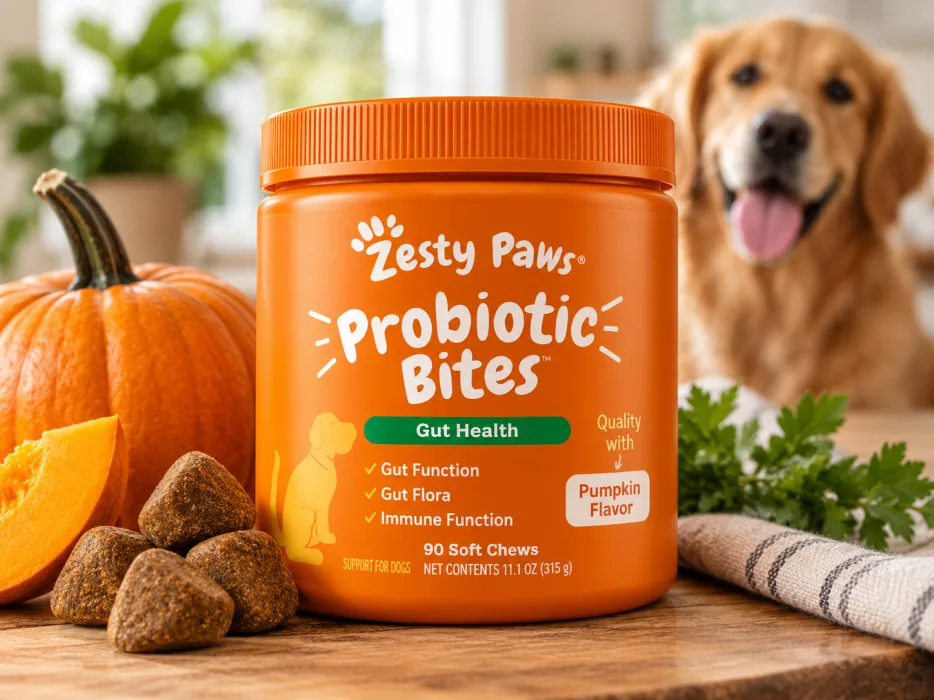
Zesty Paws Probiotic Bites
Best all-round everyday soft chew
A multi-strain soft chew (spore-forming Bacillus species plus Saccharomyces boulardii) with a prebiotic and pumpkin at a stated ~3 billion CFU, in a flavour most dogs take willingly.
Practical pet care tips for everyday owners, with a focus on dog health, food, nutrition, digestive care and everyday wellness — covering gut health, probiotics, sensitive stomachs and diarrhea. Clear, source-based guidance without the hype.
Education for pet owners — not a substitute for veterinary care. For serious or worsening symptoms, see your veterinarian.
BestPetCareTips is built cluster by cluster so each guide is genuinely useful. Our pet care tips currently specialise in dog health, dog food and dog nutrition — with a focus on digestive care, the questions owners search for most. Here is where to start.
Practical dog health tips covering gut health, diarrhea, probiotics, digestive issues and everyday wellness.
Visit the dog health hub →Helpful dog food and feeding guides, including sensitive stomachs, digestion and food-related problems.
See our food guidance →Plain-English dog nutrition tips covering feeding, fiber, digestion, supplements and everyday questions.
See what we cover →A dog's gut affects far more than digestion — it influences stool quality, appetite, energy and comfort. Our digestive-care coverage explains what a healthy gut looks like, what upsets it, and how to tell everyday tummy trouble from a problem that needs a vet.
What a healthy canine gut looks like, what throws it off balance, and the everyday habits that support steady digestion.
Read the guide →Common causes, what to monitor at home, hydration basics, and the red flags that mean it's time to call your vet.
Read the guide →What colitis is, why it causes straining and mucus, and how owners and vets work together to manage it.
Read the guide →Visit the full dog health hub to see how these guides fit together.
This is general education, not veterinary diagnosis or treatment — for serious, persistent, worsening, or emergency symptoms, contact your veterinarian.
Probiotics are one of the most searched — and most misunderstood — parts of dog digestive care. These plain-English guides explain what they are, whether they're safe, how much to give, and where they fit for diarrhea or after a course of antibiotics.
The starting point: five connected guides covering probiotics for dogs from the ground up.
Browse the guides →A plain-English explanation of what probiotics are and what they can and can't do.
Read the guide →Safety, common side effects, and when to check with your veterinarian first.
Read the guide →How to think about CFUs and daily amounts — and why the label and your vet come first.
Read the guide →Where probiotics may help with loose stools, and where they aren't the answer.
Read the guide →Supporting the gut during and after a course of antibiotics.
Read the guide →Ready to compare specific products? See our best probiotic for dogs buyer's guide.
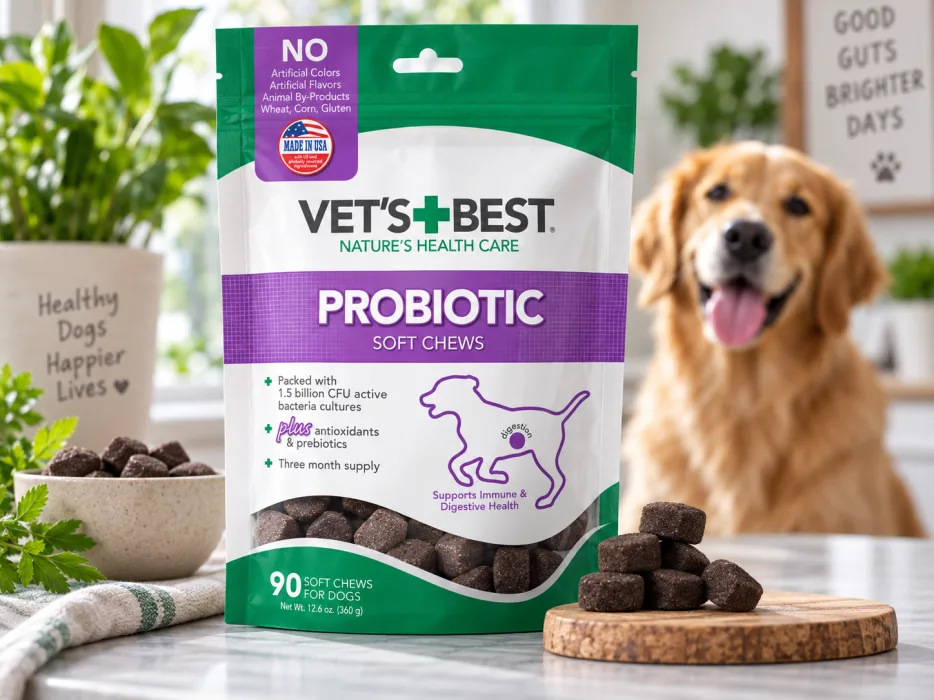
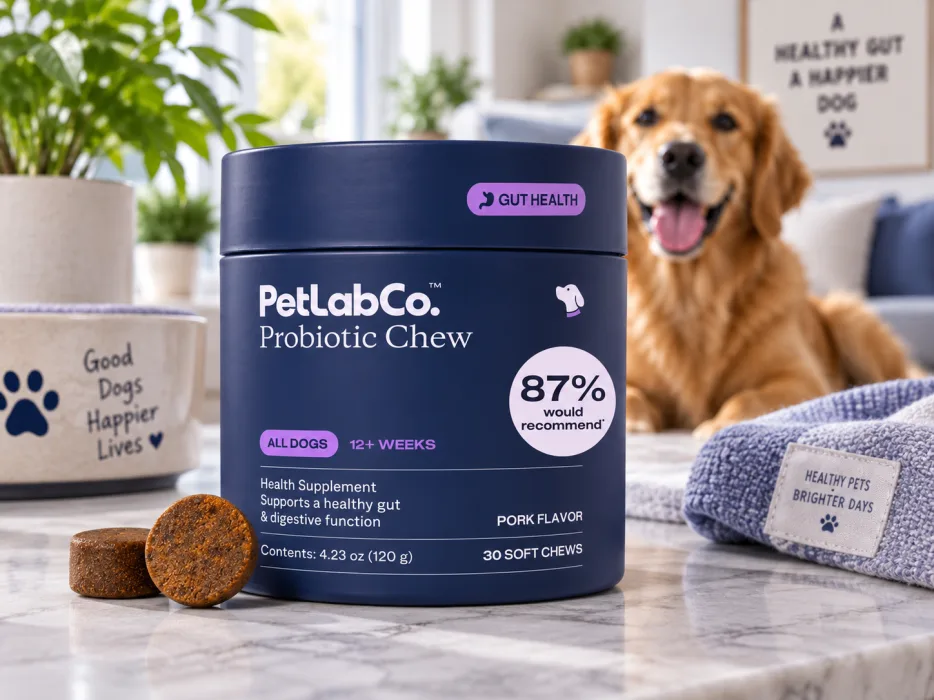
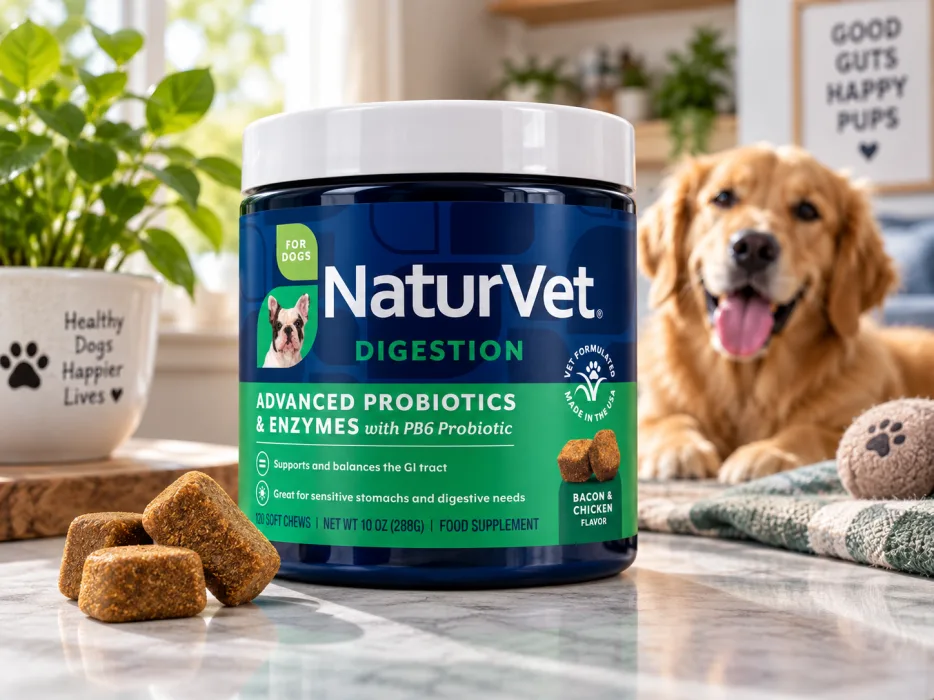
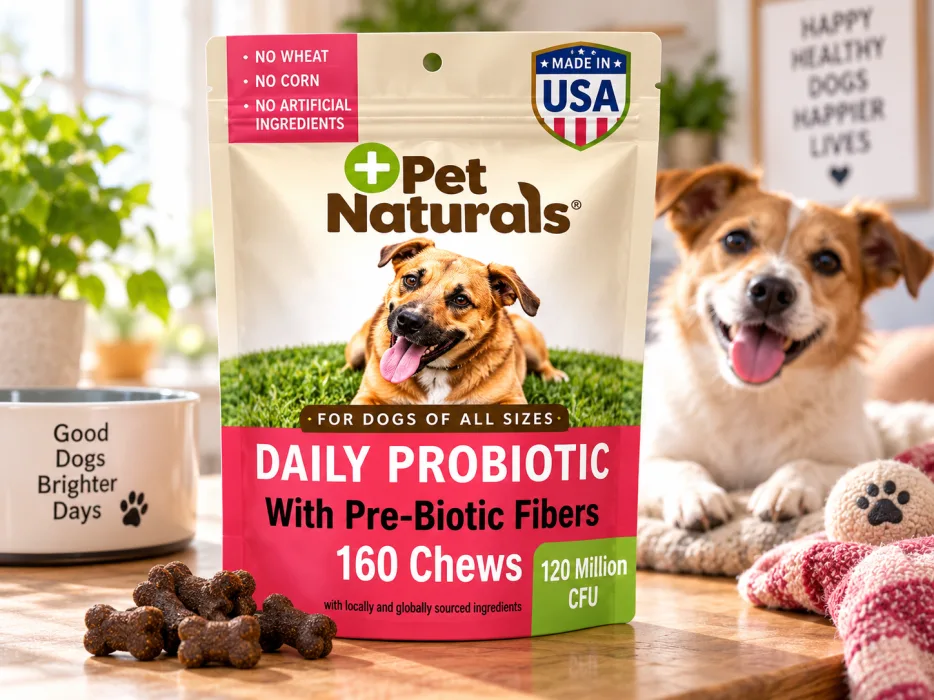
A short, hand-picked selection drawn from our wider dog probiotic research. These are widely available options to compare — not medical recommendations, and no product here is a treatment for any condition.
Affiliate Disclosure: Some links below are affiliate links to Amazon. As an Amazon Associate I earn from qualifying purchases, at no additional cost to you. We may earn a commission on qualifying purchases, but affiliate relationships never determine our editorial judgment or which products we include. We don't display Amazon prices here — check each listing for the current price. See our disclaimer.
See how to choose the best probiotic for dogs — the full criteria-based guide with all nine picks compared.
"Best" food depends on the dog. Our food guides focus on real decisions — sensitive stomachs, digestibility, loose stools and gassiness — so you can shop on evidence rather than packaging claims.
What "sensitive stomach" usually means, the label details that matter, and how to switch foods without causing the problem you're trying to fix.
Read the buying guide →How digestible, fibre-forward foods fit into managing a dog that's prone to loose stools.
Read the guide →Why some dogs are gassier than others and the food choices that can help settle things down.
Read the guide →Buying guides may include affiliate links to relevant products, clearly disclosed. Recommendations follow stated criteria and verifiable information, never commissions.
Sensitive-stomach and limited-ingredient foods worth comparing, drawn from our sensitive-stomach food guide. Formats and proteins differ, so read each label and, for a dog with ongoing trouble, talk to your vet.
See all sensitive-stomach dog food picks with the full buying criteria explained.
When a dog is prone to loose stools, a highly digestible, fibre-forward food can help alongside vet guidance. These are options to compare from our dog food for diarrhea guide — not a treatment, and sudden or severe diarrhea always warrants a call to your vet.
See all dog food for diarrhea picks and how to introduce them gently.
Dog nutrition is the next area we're building out: everyday feeding and portion basics, fibre and digestion, and the long list of "can my dog eat this?" foods owners ask about. Here's what's planned, so you know what to expect rather than landing on empty pages.
In the meantime, the digestion side of nutrition is covered in our dog gut health guide and our sensitive-stomach food guide.
We keep general nutrition education separate from any specific product's claims, and we don't publish fabricated statistics or product promises.
A quick way to browse the rest of our dog health, probiotics and food coverage. Every guide here is a real, published page.
See more dog health & nutrition guides in the dog health hub.
If you're not sure where to start, these are the pages that answer the most common questions we see.

How the canine gut works, what throws it off, and the simple habits that keep digestion steady.

The likely causes, what to monitor at home, hydration basics, and the clear signs to call your vet.

A criteria-based comparison of nine probiotics by strains, CFU, format and best use — not a hype list.

How to think about CFUs and daily amounts, why the label comes first, and when to ask your vet.

What “sensitive stomach” really means, the label lines that matter, and how to switch foods without a flare-up.

An honest look at PawBiotix, a liquid dog probiotic — what the claims are and what we could actually confirm.
Short, practical answers to questions owners ask us most — each links to a fuller guide. These are general education, not veterinary advice.
For a bright, otherwise-well adult dog, keep fresh water available, feed a plain, easily digestible meal in small amounts, and watch closely for 24–48 hours. Get veterinary help sooner if there's blood, repeated vomiting, lethargy, a very young or old dog, or no improvement. See our dog diarrhea guide.
Dog-specific probiotics are generally well tolerated in healthy dogs, with mild, temporary digestive changes the most common effect. Check with your vet first for puppies, seniors, or dogs that are unwell or immunocompromised. Read more on probiotic safety.
There's no single winner — the best probiotic is one that meets sensible quality criteria (named strains, stated CFU through expiry, a format your dog will take) and suits your dog. We compare nine options against those criteria. See the best probiotic for dogs guide.
Follow the product label for your dog's weight, and ask your vet if you're unsure or your dog has a health condition. More isn't automatically better; consistency matters more than a big dose. See our dosage guide.
Look for a complete, highly digestible recipe with a limited, clearly named ingredient list, and switch to it gradually over about a week. What suits one dog may not suit another, so match the food to your dog's triggers. See sensitive-stomach food picks.
Feed a consistent, quality diet, make food changes gradually, keep treats and table scraps in check, manage stress, and see your vet for recurring or worsening symptoms. Probiotics may help some dogs as part of that bigger picture. Read the dog gut health guide.
These answers are general education and don't replace a diagnosis. For serious, persistent, worsening, or emergency symptoms, contact your veterinarian.
BestPetCareTips is an independent pet-care publisher creating practical guides for everyday dog owners — covering dog health, nutrition, food, digestion, and useful products. We review products honestly when they're genuinely relevant. Our goal is simple: help you make better, calmer decisions about your dog.
Health guidance is written for owners and checked against reputable veterinary and scientific sources. We show our references.
We explain, we don't diagnose. For serious, persistent or worsening symptoms, we point you to your veterinarian — every time.
Some product links are affiliate links, clearly disclosed. They never change our conclusions or the price you pay.
More on who we are and how we research, or get in touch — corrections are welcome.
We don't use fabricated authors, veterinary credentials, testimonials, ratings, or reader counts. When a fact isn't verifiable, we leave it out rather than estimate it.