Dog Food
Dog Food for Diarrhea: How to Choose the Right Food
This is a buyer's guide, not a treatment plan. If your dog is prone to loose stools, the durable question isn't "what home remedy do I try?" — it's "which everyday food is genuinely easy to digest, and how do I choose one?" Below we explain what "dog food for diarrhea" really means, what characteristics actually matter, how retail sensitive-stomach and digestive-care foods differ from vet-only gastrointestinal diets, and six specific options to compare. First, though, the part that comes before any food decision: knowing when loose stools need a veterinarian instead.
The short answer
There is no medicated "diarrhea dog food." For a dog with loose stools, the food that helps is one that is genuinely easy to digest — moderate fat, a simple protein, an appropriate fibre level, and complete-and-balanced for your dog's life stage. For a one-off mild upset, a short bland diet is the classic bridge; for a dog whose stools are repeatedly loose, a highly digestible everyday food is the durable answer, chosen once a vet has ruled out disease and introduced gradually. Retail "sensitive stomach," "digestive care" and "limited ingredient" foods are everyday options; therapeutic gastrointestinal diets are a separate, vet-only category. And no food is the right response to red-flag signs — those mean a veterinarian first.
Dog Food for Diarrhea: The Short Answer
When owners search for "dog food for diarrhea," they're usually looking for a bag that will fix loose stools. It helps to reset that expectation up front: no commercial dog food treats diarrhea, and none should be marketed to you as if it does. What food can do is give an easily upset gut less to struggle with. A genuinely digestible food — moderate in fat, built on a simple protein and a gentle carbohydrate, with a sensible fibre level and complete-and-balanced nutrition — tends to produce firmer, more consistent stools in a dog whose digestion is easily thrown off.
So the practical framing is this: for a single mild episode, a short, plain bland diet is the traditional short-term bridge, covered in detail in our guide to dog diarrhea. For a dog whose stools are repeatedly loose, the more useful move is choosing a digestible everyday food and introducing it slowly — after your vet has ruled out anything that needs treating. This page is about making that food choice well.
See a veterinarian first — food is not the answer to these
Before any conversation about which food to buy, rule out an emergency. Contact your veterinarian promptly, or seek urgent care, if your dog has: blood in the stool or vomit, or black, tarry stools · repeated vomiting · diarrhea lasting more than about a day or two · lethargy, weakness or collapse · a swollen, tense or painful belly · signs of dehydration (tacky gums, skin slow to spring back) · suspected poisoning or a swallowed object · a known illness or current medication.
Use a lower threshold — call sooner for puppies, senior dogs, pregnant dogs, very small breeds, and any dog with an existing condition. These dogs can deteriorate quickly, and changing the food is not the right first response for them. Diarrhea is a symptom, not a diagnosis: infection, parasites, dietary indiscretion, pancreatitis, toxins and chronic disease can all look alike at first, and a bag of food treats none of them.
If your dog is bright, drinking, eating and otherwise well, short-term home care and a sensible food choice are reasonable. If not, the safest — and often cheapest — decision is a call to your vet before you spend anything on food. Our broader dog diarrhea guide goes deeper on causes, home care and exactly when a case becomes urgent.
What "Dog Food for Diarrhea" Really Means
The phrase covers four quite different things, and choosing well starts with knowing which one you actually need:
- Temporary supportive feeding. A short, plain bland diet — classically boiled skinless chicken with white rice, fed in small, frequent portions — for a mild, one-off upset. It's a two-to-three-day bridge, not a balanced long-term diet, and the full method belongs in our dog diarrhea guide rather than here.
- Everyday sensitive-stomach food. A complete, digestible daily food for a generally healthy dog whose gut is easily upset. This overlaps heavily with our best dog food for a sensitive stomach guide, and with the gentler formulas we discuss for gassy dogs — the same digestibility principles apply.
- Digestive-care / GI-focused retail food. A step more specialised: everyday, non-prescription foods engineered specifically around digestibility and stool quality, often with defined prebiotic fibre and probiotics.
- Veterinary prescription GI diets. Therapeutic diets formulated for diagnosed gastrointestinal conditions, obtained through and monitored by your vet. These are a different category entirely — see the comparison below.
Most owners shopping for "dog food for diarrhea" want the second or third category: a digestible everyday food for a dog whose stools are easily loose. The rest of this guide focuses there, while being clear about where the vet-only category begins.
What to Look for in Food for Dogs With Diarrhea
Whether a bag says "sensitive stomach," "digestive care" or "limited ingredient," judge it against the same short checklist rather than the marketing on the front. These are the characteristics that actually matter for a dog prone to loose stools.
Digestibility and Moderate Fat
Digestibility is the single most relevant property. A highly digestible food is absorbed more completely, leaving less to ferment and irritate, which tends to mean firmer stools. Lower-to-moderate fat matters too: high-fat foods are harder for some dogs to handle and are best avoided while a gut is easily upset. Look for a named, quality protein and a gentle, digestible carbohydrate rather than a long, complicated ingredient list.
Fiber and Firmer Stools
Fibre is a genuine lever for stool quality. Soluble fibre absorbs water and can help firm up loose stools, which is why some digestive and sensitive-stomach foods are deliberately higher in fibre or include prebiotics that support the gut's own bacteria. More is not automatically better, though — too much or the wrong type can backfire, and the response varies between dogs. Introduce any higher-fibre food gradually.
Single- or Limited-Ingredient / Novel-Protein Options
If loose stools seem tied to what your dog eats, a limited-ingredient or single-protein food gives fewer variables to react to and makes it easier to work out what agrees with them. A genuinely novel protein — one your dog hasn't eaten before — can be useful when a food sensitivity is suspected, but this is territory where your vet's input is valuable rather than guesswork.
Complete-and-Balanced Nutrition and Transparent Formulation
Whatever else a food promises, it must be complete and balanced for your dog's life stage — check for the AAFCO nutritional-adequacy statement. Favour makers who are transparent about their ingredients, employ qualified nutritionists, run consistent quality control, and answer questions. Bag-to-bag consistency is itself valuable for an easily upset gut, and it's a real advantage of established manufacturers.
Digestible Retail Foods vs. Prescription GI Diets
This distinction matters, and it's easy to blur. Retail digestive-care and sensitive-stomach foods are everyday foods you can buy off the shelf for a generally healthy dog with an easily upset gut. Prescription (therapeutic) gastrointestinal diets are a different category: they're formulated for diagnosed conditions, they're obtained through your veterinarian, and their use is meant to be monitored. Some brands even use similar names for both a retail line and a separate vet-only line, which is exactly where confusion creeps in.
The practical takeaway: a retail digestible food is a reasonable everyday choice for a dog with an occasionally sensitive stomach, but it is not a substitute for a prescription diet when a vet has diagnosed a condition, and it should never be presented as equivalent. If your dog's digestion is a recurring problem, that conversation with your vet — about whether a therapeutic diet is warranted — is worth more than cycling through retail bags.
Affiliate Disclosure: Some links in the product section below go to Amazon. As an Amazon Associate I earn from qualifying purchases, at no additional cost to you. These are contextual suggestions to compare, not medical recommendations, and no product here is a treatment for diarrhea — the guidance in this article stands on its own without them.
Dog Foods for Diarrhea to Consider
The checklist above is the map; here are six specific, widely available foods that fit it, spanning the styles most relevant to a loose-stool-prone dog: a digestible digestive-care formula, sensitive-stomach foods, a limited-ingredient recipe, a fibre-forward option, and a gentle wet food for recovery. We chose these for their digestive or limited-ingredient positioning, their reasonably transparent ingredient lists and their established availability — not because of any ranking or test, and not because any of them can stop diarrhea. Where "best" appears below it means best suited to a particular need, never an objective winner. Confirm any food is complete and balanced for your dog's life stage, match the protein to what your dog tolerates, and introduce it slowly. Where a link is included, it points to that product's search results on Amazon (see the disclosure above).

Royal Canin Digestive Care (Adult Dry)
Why consider it. A retail (non-prescription) formula centred on highly digestible protein with a prebiotic and fibre blend aimed at steady digestion and firmer, more consistent stools. Its whole design goal is digestibility — the property most relevant to a dog with loose stools — and size-specific versions are offered.
Best suited for. Owners who want an everyday food explicitly designed around digestion and stool quality rather than a general "sensitive" label, once a vet has ruled out disease.
What to check. This retail Digestive Care line is separate from Royal Canin's vet-only gastrointestinal diets; a diagnosed condition is a decision for your veterinarian, not a shelf purchase.

Purina Pro Plan Sensitive Skin & Stomach (Salmon & Rice Formula)
Why consider it. Uses salmon with rice and oat meal as gentle carbohydrates and is fortified with guaranteed live probiotics plus prebiotic fibre — a built-in digestive-support angle that's relevant when stools are loose. The single fish protein can be a useful change for a dog that seems less settled on chicken- or beef-based foods.
Best suited for. Dogs that tolerate fish well, and owners who specifically want a food with added probiotic and prebiotic support during and after a settled upset.
What to check. A higher-protein formula that contains rice, so confirm it fits your dog's life stage and that grains are not a concern for your individual dog.

Hill's Science Diet Adult Sensitive Stomach & Skin (Chicken & Barley Recipe)
Why consider it. A widely stocked, complete-and-balanced dry food built around easy digestion, with a prebiotic fibre blend and added vitamin E and omega-6s. The bag-to-bag consistency of a large maker with in-house nutritionists is itself useful for an easily upset gut.
Best suited for. Owners who want an easy-to-find everyday adult food from an established brand, whose dog does fine with chicken and grains.
What to check. It contains chicken and grains, so it's not the pick for a dog you suspect reacts to poultry or that you want to keep grain-free.

Blue Buffalo Basics Skin & Stomach Care (Turkey & Potato Recipe)
Why consider it. A limited-ingredient diet built on a single animal protein (turkey) that leaves out common triggers such as chicken, corn, wheat, soy, dairy and eggs, with potato and pumpkin as digestible carbohydrates. The short, transparent recipe makes it easier to work out what agrees with your dog.
Best suited for. Dogs you're trying to narrow down for a possible ingredient sensitivity behind recurring loose stools, and owners who want a short label to read.
What to check. "Limited ingredient" is not automatically complete-and-balanced — confirm the AAFCO statement for your dog's life stage and choose the protein your dog tolerates.

Diamond CARE Sensitive Stomach Formula for Adult Dogs
Why consider it. A limited-ingredient formula using potato and egg as its base, with a fibre blend that includes psyllium plus guaranteed levels of probiotics — a genuinely fibre-forward profile aimed at helping firm up loose stools rather than a generic "sensitive" label.
Best suited for. Owners who specifically want a fibre-forward, stool-firming everyday option, or a different protein base to trial.
What to check. The egg-and-potato approach is distinctive — confirm your dog likes it and that it meets its life-stage needs, and introduce the added fibre gradually.

Hill's Science Diet Adult Sensitive Stomach & Skin Canned Dog Food
Why consider it. The wet, canned counterpart to the same easy-digestion sensitive-stomach line: soft, aromatic and higher in moisture, it can tempt a hesitant appetite and add fluids while a dog is getting back to normal — fed on its own or mixed with kibble.
Best suited for. Fussy or recovering dogs that need encouragement to eat, and owners who want extra moisture in the bowl during the transition back to a full diet.
What to check. Wet food alone is not always a complete long-term diet for every dog — confirm the life-stage statement, and it still contains chicken, so it's not for a dog you suspect reacts to poultry.
Six options, one checklist. None of these is a remedy for diarrhea, and no food can be guaranteed to firm up a particular dog's stools — individual tolerance varies, so give any choice a fair, gradual trial and stop if things worsen.
How to Choose Between These Foods
To narrow six options down to one, work through a few practical filters in order:
- Start with protein. Pick a food built on a protein your dog already does well on — or a genuinely different one if you suspect a sensitivity. This alone rules several options in or out.
- Match the approach to the problem. Recurrent loose stools with no obvious trigger point toward a digestibility-focused or fibre-forward formula; suspected food reactions point toward a limited-ingredient recipe; a hesitant or recovering appetite points toward the gentle wet option.
- Confirm life-stage adequacy. Check the AAFCO statement matches your dog (adult, puppy, all life stages) before anything else about the recipe.
- Weigh practicality. Availability, format (dry, wet, or both) and what fits your routine all matter — the best food is one you can reliably keep feeding.
When two options look similar, our framework for reading labels and comparing two foods head-to-head in the sensitive-stomach guide applies directly here.
Getting Back to Normal Food After Diarrhea
However good a food is, switching to it too fast can restart the very upset you're trying to settle. Once stools are firming up and your dog is comfortable, transition gradually: mix in a little more of the new food each day over roughly five to seven days, watching stool quality as you go. If loose stools return during the switch, slow down; if they persist, check with your vet. Dogs that react to change of any kind benefit from the same careful, steady habits covered in our dog gut health guide.
When Food Isn't the Whole Story
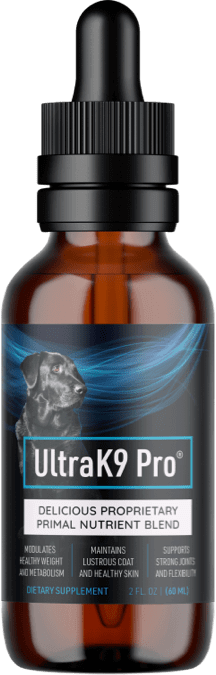
Food is one lever, not the whole machine. Two things are worth keeping in view. First, probiotics are among the better-studied supportive measures for ordinary, short-lived loose stools and for settling digestion after an upset or a course of antibiotics — supportive care, not a treatment for the underlying cause, with results that vary between dogs. If that's relevant, see probiotics for dog diarrhea and our criteria-based guide to choosing a dog probiotic. Probiotics are also only one category of supplement; our UltraK9 Pro review looks at a whole-food liquid supplement — a different product from a probiotic, and not a treatment for diarrhea — covering its ingredients, dosage and manufacturer guidance. Second, and more important, food changes are not a substitute for a diagnosis. If loose stools keep returning despite a sensible, digestible diet, that pattern itself is the signal to stop experimenting with bags and let your veterinarian investigate the cause.
Dog Food for Diarrhea: Frequently Asked Questions
Is there a special dog food for diarrhea?
There is no medicated over-the-counter dog food that treats diarrhea. What helps is a food that is easy to digest: moderate fat, simple ingredients, an appropriate fibre level, and complete-and-balanced nutrition for your dog's life stage. Retail foods are labelled things like sensitive stomach, digestive care, or limited ingredient. Truly therapeutic gastrointestinal diets are a separate, vet-only category for diagnosed conditions.
What is the best dog food for diarrhea?
There is no single best product for every dog. The best choice is the digestible, complete-and-balanced food your individual dog tolerates well, matched to the protein it does best on and introduced gradually. The six options in this guide are starting points to compare against the same checklist, not a ranked leaderboard, and none is a cure for diarrhea.
What type of food is easiest for a dog with diarrhea to digest?
Generally, a food that is lower in fat, built on a single simple protein and a gentle carbohydrate, and free of unnecessary extras. A short home bland diet such as plain boiled chicken and white rice is the classic very-short-term option for a mild upset, while a highly digestible everyday food is the durable choice for a dog whose stools are easily loose. Soft, higher-moisture wet food can also be easier to eat during recovery.
Is sensitive-stomach food the same as a prescription GI diet?
No. Retail sensitive-stomach and digestive-care foods are everyday foods you can buy off the shelf for a generally healthy dog with an easily upset gut. Prescription or therapeutic gastrointestinal diets are formulated for diagnosed conditions and are obtained through and monitored by your veterinarian. They are not interchangeable, and a recurring problem is a reason to talk to your vet rather than to keep trying retail bags.
Can high-fiber dog food help with loose stool?
For some dogs, yes. The right amount of fibre, especially soluble fibre, can help absorb water and firm up loose stools, which is why some digestive and sensitive-stomach foods are fibre-forward. But more fibre is not automatically better, the response varies between dogs, and persistent loose stools still need a diagnosis. Introduce any higher-fibre food gradually and ask your vet if you are unsure.
Can I switch my dog's food while they have diarrhea?
A sudden food change can itself cause or worsen loose stools, so it is usually better to stabilise a mild upset first and then transition gradually to a new everyday food over about five to seven days. During an active bout, many vets suggest an easily digested diet rather than an abrupt switch. If your dog has red-flag signs, the priority is a vet, not a new bag of food.
How long should it take for a new food to improve stool quality?
Give a new food a fair trial. Some dogs settle within a week or two once the transition is complete, but it can reasonably take several weeks to judge how well a food suits a dog, provided stools are steady or improving. If loose stools continue, keep returning, or come with other symptoms during that time, stop guessing with food and contact your veterinarian.
When should I stop trying food changes and call a vet?
Call your veterinarian promptly if there is blood in the stool, black tarry stool, repeated vomiting, diarrhea lasting more than about a day or two, lethargy, a painful or swollen belly, signs of dehydration, or suspected poisoning, and sooner for puppies, seniors, small breeds, pregnant dogs, or any dog with a health condition. Recurring loose stools that keep coming back despite a sensible diet also warrant a diagnosis rather than another food trial.
Related Articles
 Dog diarrhea: causes, home care and when to see a vet
The fuller picture on what causes loose stools, the bland-diet method, and the red flags that need a vet.
Dog diarrhea: causes, home care and when to see a vet
The fuller picture on what causes loose stools, the bland-diet method, and the red flags that need a vet.
 Best dog food for a sensitive stomach
How to read labels and compare digestible everyday foods for an easily upset gut.
Best dog food for a sensitive stomach
How to read labels and compare digestible everyday foods for an easily upset gut.
 Dog food for gassy dogs
The sibling food guide — same digestibility principles, aimed at flatulence rather than loose stools.
Dog food for gassy dogs
The sibling food guide — same digestibility principles, aimed at flatulence rather than loose stools.
References
- PetMD (vet-reviewed). "What To Feed a Dog With Diarrhea." petmd.com
- American Kennel Club (AKC). "Dog Diarrhea: Causes, Treatments, and Prevention." akc.org
- Cummings School of Veterinary Medicine at Tufts University, Petfoodology. "Finding the Best Food for Your Pet." sites.tufts.edu
Affiliate note: this page contains Amazon affiliate links to product search results for the six foods discussed. As an Amazon Associate we earn from qualifying purchases, at no extra cost to you. We link to search results rather than making price, availability or rating claims, and no product is presented as a treatment for diarrhea. We don't link to any medication.
Medical note: General education for dog owners, not veterinary advice, diagnosis, or treatment. Diarrhea can have serious causes — always consult your veterinarian, especially for persistent or severe symptoms, or for puppies, seniors, and unwell dogs.