Dog Health
Dog Health Tips for Everyday Dog Owners
Dog health is the everyday combination of good nutrition, hydration, exercise, a healthy weight, dental and coat care, routine preventive veterinary visits, and noticing changes early. These practical dog health tips pull those pieces together so everyday owners can understand the essentials — and recognize when something needs attention — without reading a dozen separate articles first.
This guide is written for owners, not clinicians. It works through everyday dog care and wellness, canine nutrition, digestive health, the common health concerns owners tend to watch for, how to think sensibly about probiotics and supplements, and — importantly — when to contact a veterinarian. Everything here is general educational information meant to help you make sense of your dog's health and ask better questions. It is not a diagnosis or a treatment plan for your individual dog; some situations genuinely need professional care, and this guide is explicit about which ones. Deeper in, you'll find links to focused guides on gut health, diarrhea, choosing a probiotic, and diets for sensitive stomachs whenever you want more detail on a specific topic.
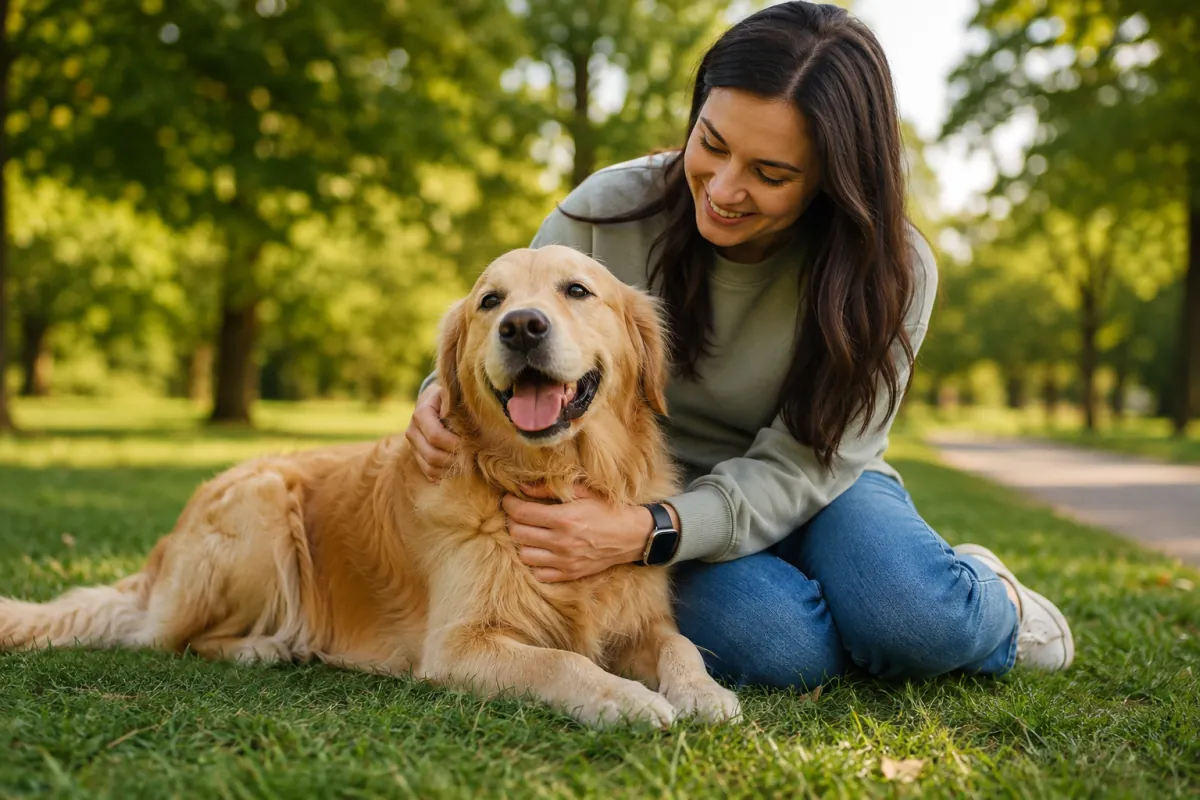
What Do Good Dog Health Tips Cover?
The short answer
Good dog health care comes down to a handful of everyday basics working together — a consistent balanced diet, fresh water, appropriate exercise, a healthy weight, dental and coat care, routine preventive check-ups, and noticing changes early. No single product or supplement replaces those fundamentals. In more detail, that means:
- Nutrition — a complete, balanced diet suited to your dog's age, size, and activity level, fed in sensible portions.
- Hydration — constant access to clean, fresh water, refreshed daily.
- Exercise — regular activity appropriate to the breed, age, and fitness of the dog, for both body and mind.
- Healthy weight — keeping your dog lean, since excess weight strains joints and overall health.
- Dental care — regular tooth care to reduce plaque, discomfort, and downstream problems.
- Skin and coat care — routine grooming that also gives you a chance to spot lumps, parasites, or irritation.
- Preventive care — routine veterinary visits, parasite prevention, and vaccinations as advised by your vet.
- Behavior and well-being — company, enrichment, and a predictable routine, which affect health more than many owners expect.
- Monitoring changes — knowing what is normal for your dog so you notice early when something shifts.
When these basics are in place, most dogs stay comfortable and resilient, and the occasional off day is far easier to interpret.
Everyday Dog Health & Wellness
Everyday dog health and wellness comes down to consistent daily habits — a regular feeding routine, fresh water, appropriate exercise, weight checks, dental hygiene, and grooming and skin checks — rather than occasional big interventions. A steady routine keeps digestion, energy, and behavior more predictable, which also makes it easier to spot when something is off.

The everyday essentials most dogs need:
- A consistent feeding routine — measured meals at regular times, using a diet your dog tolerates well, with treats kept to a small share of daily calories.
- Fresh water, always available — clean the bowl and refill daily; changes in how much a dog drinks can be an early clue that something has changed.
- Exercise suited to the dog — enough daily activity for their age and breed, with gentler routines for puppies, seniors, and dogs recovering from illness.
- Weight monitoring — check regularly that you can feel the ribs without pressing hard and see a visible waist; adjust food and activity before small gains become a problem.
- Dental hygiene — regular tooth brushing or vet-recommended dental care to limit plaque and keep the mouth comfortable. Our guide to the best dog toothpaste covers dog-safe formulas and how to brush.
- Grooming and skin checks — brushing and the occasional bath keep the coat healthy and let you notice lumps, fleas, ticks, or irritated skin early.
- Routine preventive care — regular check-ups, parasite prevention, and vaccinations as your veterinarian advises for your dog's age and lifestyle.
Dog Digestive Health
Dog digestive health is how well your dog breaks down food, absorbs nutrients, and maintains a balanced gut — and it's where many everyday health questions begin. Because the gut also hosts a large share of the immune system, digestive changes often show up before anything else, which is why we cover this area in depth.
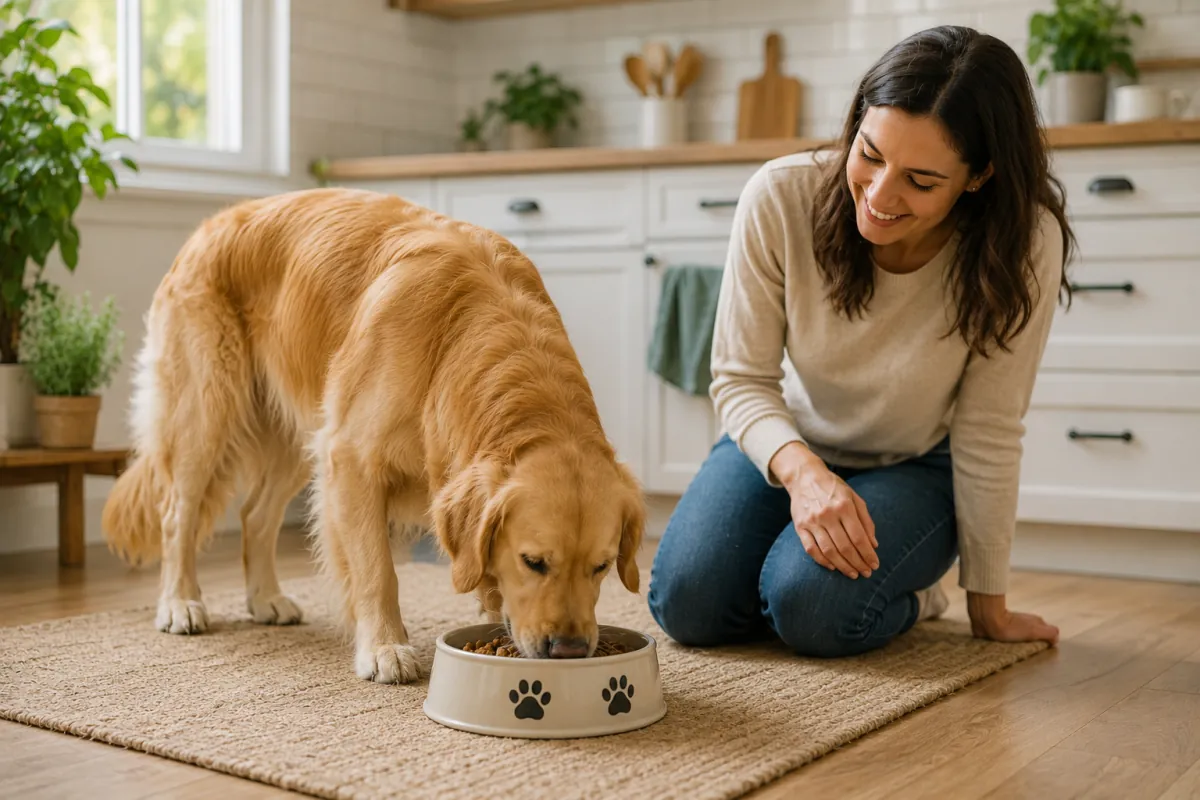
In a healthy dog, digestion is fairly quiet: a steady appetite, firm and consistent stools, and comfortable energy. Changes worth paying attention to include:
- Stool changes — loose, very hard, unusually colored, or inconsistent stools can reflect diet, stress, or illness.
- Diarrhea — a common, usually short-lived upset, though hydration and duration matter. Our guide to dog diarrhea covers common causes, what to monitor at home, and when it warrants veterinary attention.
- Constipation — straining or infrequent, hard stools, which can have several causes.
- Appetite changes — eating noticeably more or less than usual, or refusing food.
- Vomiting — an occasional isolated event differs from repeated vomiting, which needs prompt attention. If it follows grazing, our guide to why dogs eat grass and vomit looks at what it can mean.
- Diet changes and food sensitivities — switching food too quickly is a frequent trigger, and some dogs react to particular ingredients. For dogs prone to upset, our guide to the best dog food for a sensitive stomach explains what to look for.
- The gut microbiome — the community of microbes in the gut that helps digestion stay balanced. To understand how it works and what supports it, see our guide to dog gut health, which explains everyday habits that support digestive balance.
- Probiotics — supportive care some owners consider for digestive balance, covered in the supplements section below.
Common Dog Health Concerns
The dog health concerns owners most commonly monitor include digestive upsets and diarrhea, appetite and stool changes, food sensitivities, gut-health and probiotic questions, and recovery after antibiotics. Beyond routine care, the real question is usually simple: is this change something you can watch at home, or something that needs a professional?

Our current coverage focuses on the digestive-health cluster, where owner questions are most frequent and good information makes the fastest difference:
- Digestive problems and diarrhea — see dog gut health and dog diarrhea.
- Appetite and feeding issues — changes in how much a dog eats, often tied to diet or how they feel.
- Stool changes — a practical, visible signal of digestive health.
- Food sensitivities — reactions to particular ingredients, where diet choice matters most.
- Gut health and the microbiome — the balance that underpins steady digestion.
- Probiotic questions — whether they help, and for which situations; see our dog probiotics guides.
- Recovery after antibiotics — a common time owners look for digestive support; see probiotics for dogs after antibiotics.
Dog health is a wide subject, and we'd rather publish carefully than pad out the site. Dental care is one area we've started on — see our guide to the best dog toothpaste — while skin and ears, joints, parasites, and senior-dog care are topics we plan to cover in future guides. We don't create empty pages to fill out a menu.
Probiotics & Supplements in Dog Health
A supplement is a product meant to add something to the diet — fiber, omega oils, joint ingredients, or probiotics — rather than replace a complete, balanced diet, and most healthy dogs on a good diet don't automatically need one. Probiotics are the supplement owners ask about most, so they sit at the commercial end of dog health, which is exactly why they're worth approaching calmly.
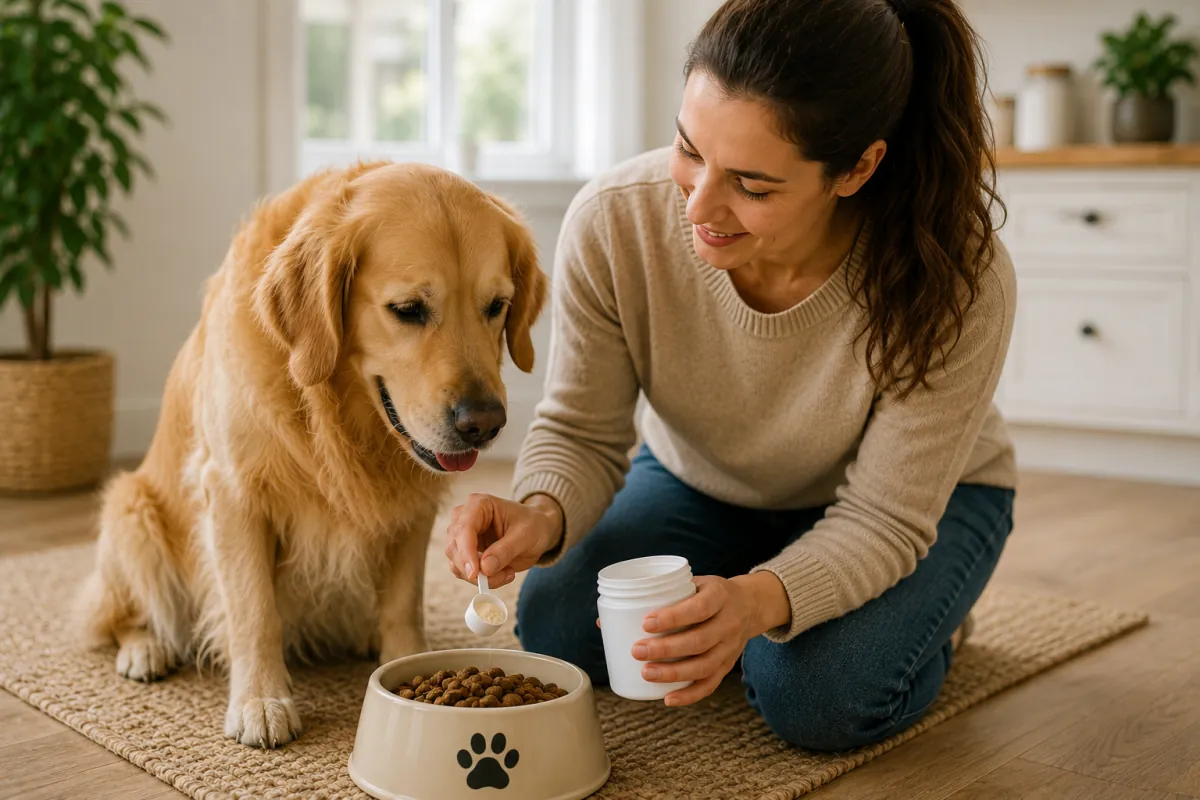
Owners usually consider supplements to support a specific area — often digestion. Probiotics are live, beneficial bacteria intended to support a balanced gut microbiome. The evidence in dogs is genuinely mixed: encouraging in some situations, unremarkable in others, and never a substitute for finding out why a dog is unwell.
A few sensible principles help here:
- Evaluate product claims carefully — marketing language is not the same as evidence, and confident promises deserve extra scrutiny.
- Supplements aren't automatically necessary — a healthy dog on a complete diet often doesn't need extras.
- Ask a professional when it matters — for dogs with health conditions, or before adding something new, your veterinarian's input is the right starting point.
If you want to go deeper, our dog probiotics hub explains what probiotics are, what owners should consider, and where the evidence is limited. For a criteria-based comparison of probiotic options, see our best dog probiotics guide. And for a closer look at one specific probiotic product measured against those criteria, read our PawBiotix review.
Dog Health: When to Contact a Veterinarian
Home monitoring is reasonable for a mild, short-lived issue in an otherwise well adult dog. It is not reasonable when there are warning signs. Nothing on this site replaces an examination — contact your veterinarian promptly, or seek emergency care, if you notice:
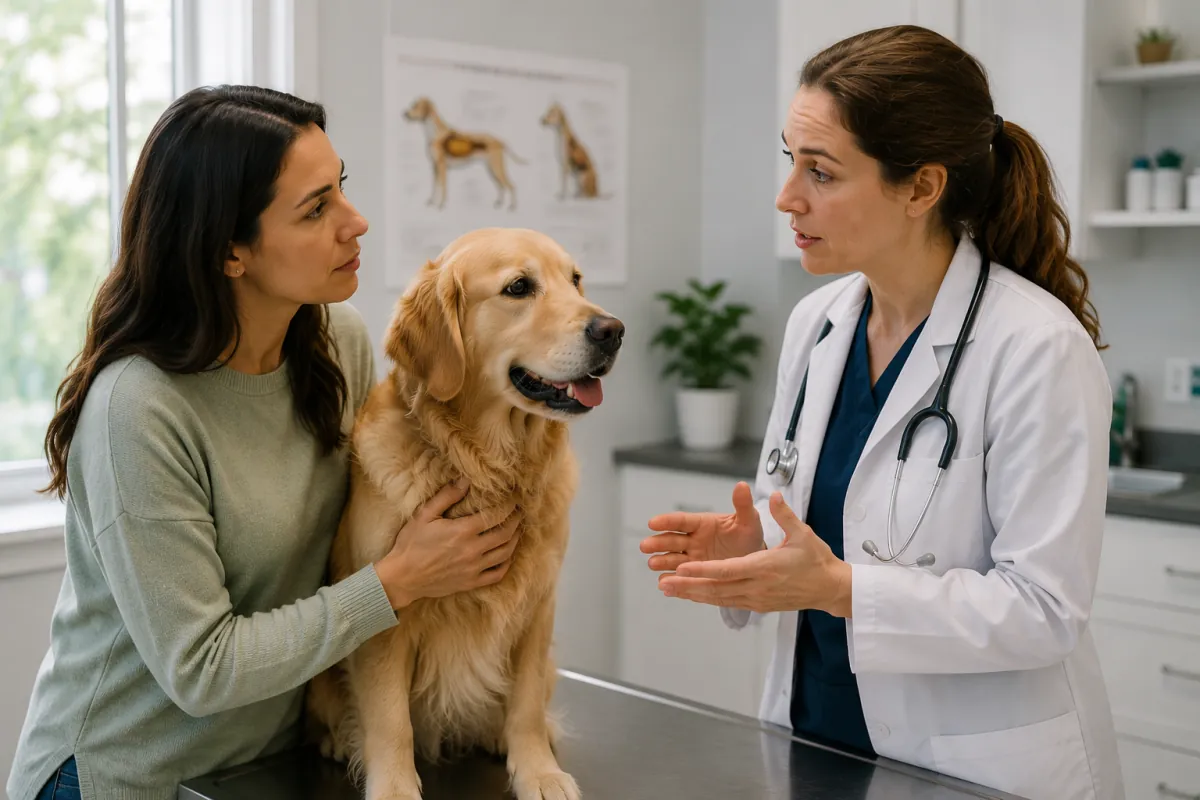
Warning signs — seek veterinary care
- Severe or persistent symptoms, or anything that is steadily getting worse
- Blood in stool or vomit, or black, tarry stools
- Repeated vomiting, or diarrhea lasting more than a day or two
- Difficulty breathing
- Collapse, extreme weakness, or unresponsiveness
- Signs of severe pain, or a swollen, painful belly
- Signs of significant dehydration
- Any concerning change in a puppy, senior dog, pregnant dog, or a dog with an existing health condition or on medication
When you're unsure, calling your veterinary clinic for advice is always a reasonable step. Waiting and watching is only sensible when a dog is otherwise well and the problem is clearly mild. This guide does not diagnose conditions or recommend treatments — those are decisions for your veterinarian, who can examine your dog.
How We Research Dog Health Topics
We are a publisher, not a veterinary practice, and we're careful not to blur that line. Our aim is general education that helps you ask better questions and recognize when professional care is needed — not diagnosis or treatment.

How we approach this content:
- We work from reputable veterinary and scientific sources and cite them on the relevant guides.
- We describe uncertainty as uncertainty, rather than overstating what the evidence shows.
- We avoid unsupported claims and marketing language dressed up as fact — including on pages where a product is discussed.
- Our writers are not veterinarians, and we don't attach invented credentials or fictional medical reviewers to our articles.
- We point clearly to professional care whenever a question needs clinical judgment.
You can read more about our process on the about page, and our editorial and affiliate policies in the disclaimer. Spotted an error or a topic we should cover? Tell us — corrections are welcome.
Frequently Asked Questions
What are common signs that a dog may be unwell?
Common signs include a change in appetite or thirst, low energy, vomiting or diarrhea, changes in stool, weight loss or gain, coughing, limping, itching, or a shift in normal behavior. Occasional off days happen, but symptoms that are severe, persistent, or worsening are a reason to contact your veterinarian. Knowing what's normal for your own dog makes these changes far easier to catch early.
Can diet affect a dog's digestive health?
Yes, and often significantly. Sudden diet changes, rich or unfamiliar foods, and individual food sensitivities are among the most common causes of digestive upset. A consistent, well-tolerated diet and gradual transitions over about a week help many dogs maintain steadier digestion.
How can I support my dog's digestive health?
Feed a consistent, quality diet, transition foods gradually, limit rich treats and scraps, keep a steady daily routine, and make sure fresh water is always available. Where appropriate, fiber or probiotics can be supportive care, but they are not a fix for an underlying problem — persistent digestive issues should be evaluated by a veterinarian.
Are supplements necessary for healthy dogs?
Not automatically. A healthy dog on a complete, balanced diet often does not need extra supplements. Some dogs may benefit from specific supplements in particular situations, but product claims should be evaluated carefully and discussed with your veterinarian rather than assumed to apply to every dog.
How often should a healthy dog see a veterinarian?
For most healthy adult dogs, a routine wellness check about once a year is typical, while puppies, senior dogs, and dogs with ongoing health conditions usually need more frequent visits. Your veterinarian can set the right schedule for your dog's age and health, and any new or worsening symptom is a reason to check in sooner.
When should I contact a veterinarian about my dog's symptoms?
Contact your veterinarian promptly for severe or persistent symptoms, blood in stool or vomit, repeated vomiting, diarrhea lasting more than a day or two, breathing difficulty, collapse, severe pain, or signs of dehydration. Seek advice sooner for puppies, senior dogs, pregnant dogs, or dogs with existing conditions.
Related Articles
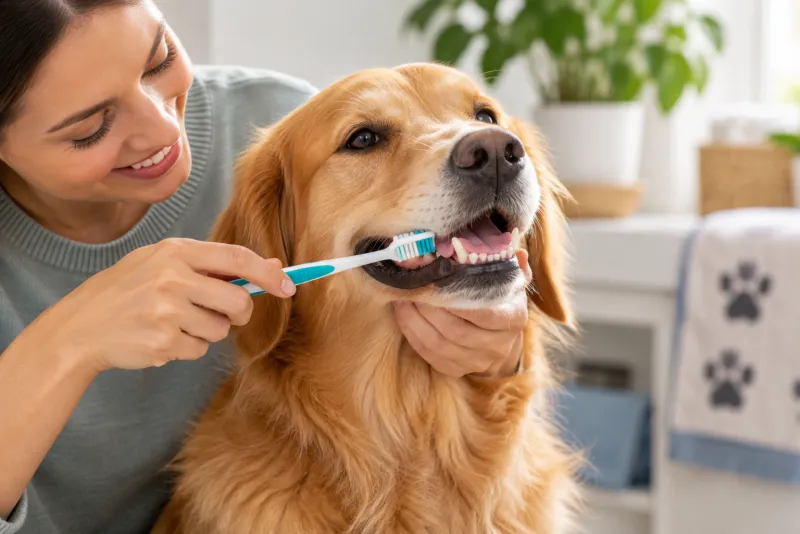 Best dog toothpaste
vet-recommended dog toothpaste picks, ingredients to look for, safety, and how to brush your dog's teeth.
Best dog toothpaste
vet-recommended dog toothpaste picks, ingredients to look for, safety, and how to brush your dog's teeth.
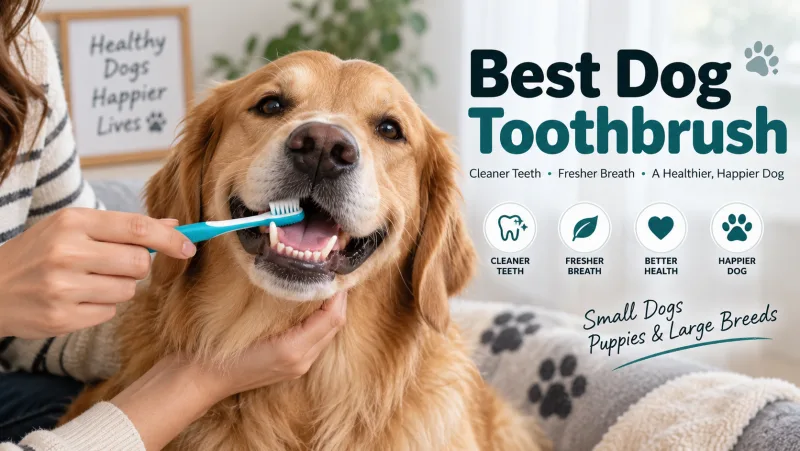 Best dog toothbrush
dog toothbrush picks for small dogs, puppies and large breeds, plus finger-brush and kit options and how to brush.
Best dog toothbrush
dog toothbrush picks for small dogs, puppies and large breeds, plus finger-brush and kit options and how to brush.
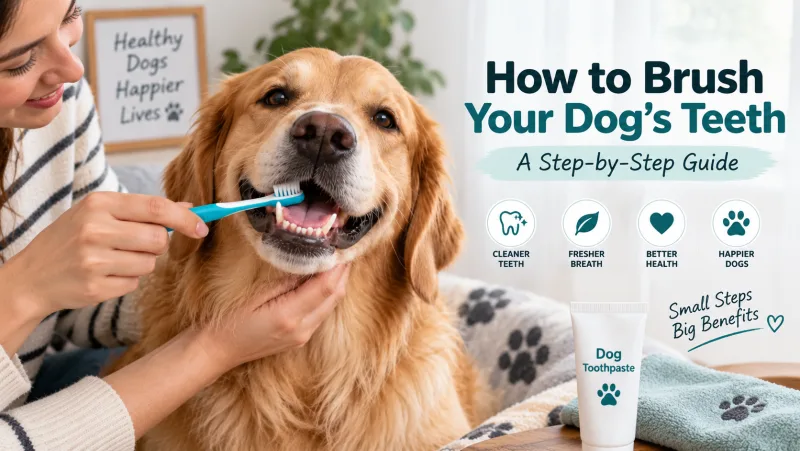 How to brush your dog's teeth
a beginner-friendly step-by-step routine, from mouth handling to toothpaste, the brush, how often to brush, and what to do if your dog refuses.
How to brush your dog's teeth
a beginner-friendly step-by-step routine, from mouth handling to toothpaste, the brush, how often to brush, and what to do if your dog refuses.
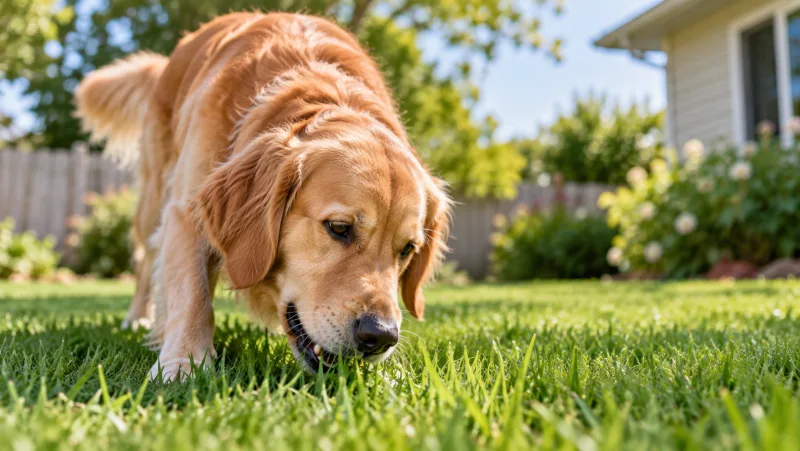 Why do dogs eat grass?
the common reasons behind grass eating, whether it is safe, the warning signs that matter, and how to redirect the habit.
Why do dogs eat grass?
the common reasons behind grass eating, whether it is safe, the warning signs that matter, and how to redirect the habit.
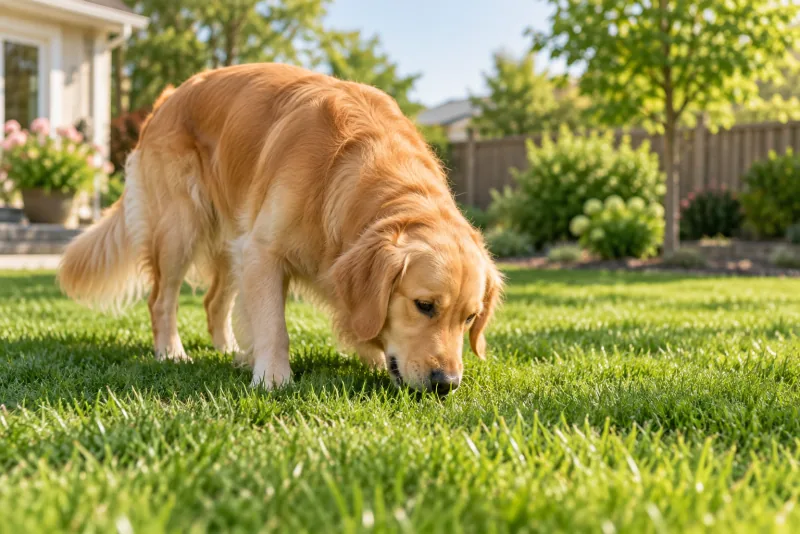 Should I let my dog eat grass?
a practical guide to when grazing is worth monitoring, when to redirect your dog, and when to call the vet.
Should I let my dog eat grass?
a practical guide to when grazing is worth monitoring, when to redirect your dog, and when to call the vet.
 Dog gut health
learn how the canine gut works and what everyday habits can support digestive balance.
Dog gut health
learn how the canine gut works and what everyday habits can support digestive balance.
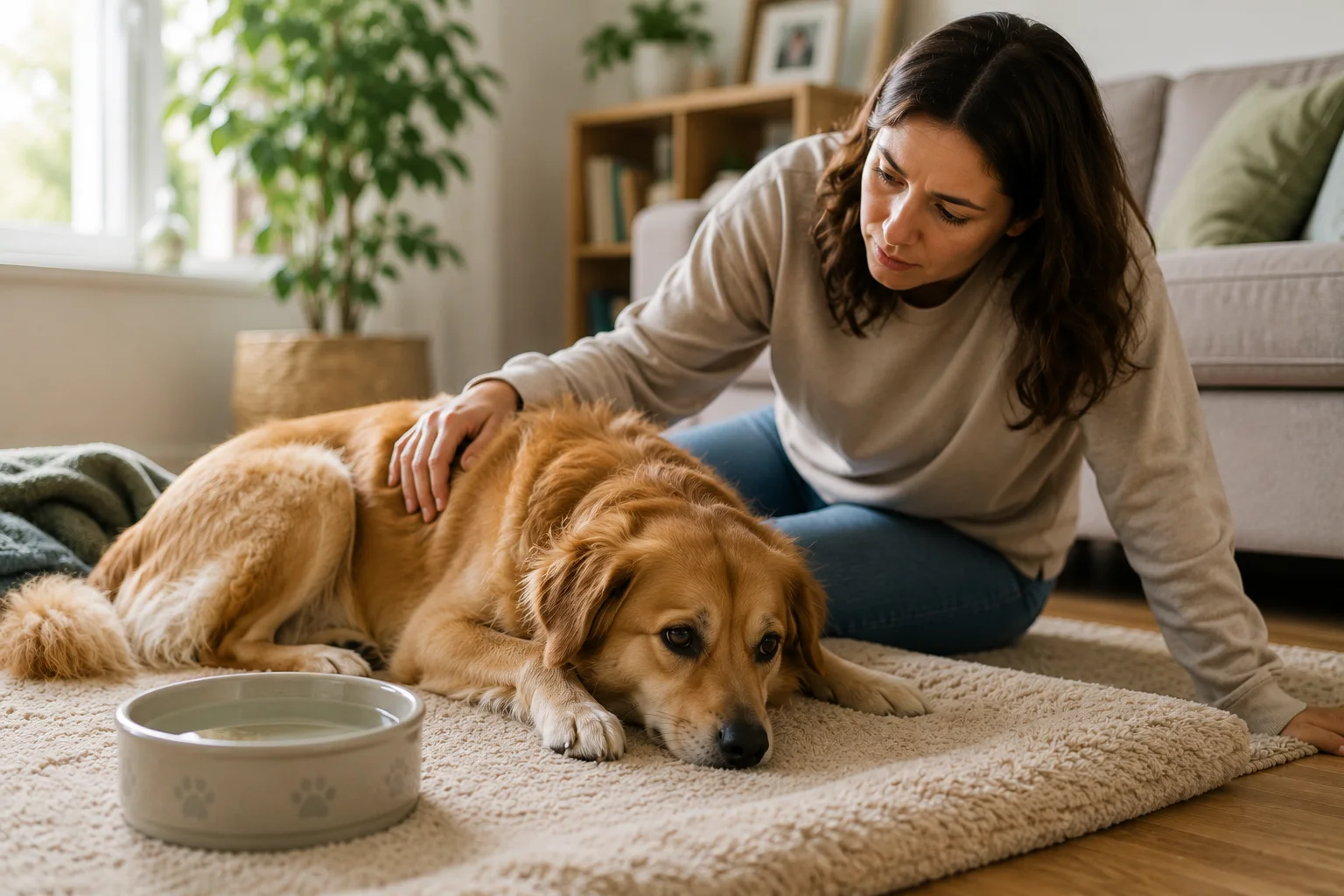 Dog diarrhea
understand common causes, what owners can monitor at home, and when diarrhea warrants veterinary attention.
Dog diarrhea
understand common causes, what owners can monitor at home, and when diarrhea warrants veterinary attention.
Medical note: Everything in this guide is general education, not veterinary advice, diagnosis, or treatment. Always consult your veterinarian about your dog's health, especially for symptoms that are severe, persistent, or worsening.