Dog Health
Why Do Dogs Eat Grass? 7 Reasons, When to Worry & What to Do
Seeing your dog suddenly stop during a walk and start chewing grass can make you wonder what is going on.
Is your dog hungry? Does grass help an upset stomach? Is your dog missing something in its diet? Or is this simply one of those odd things dogs do?
The short answer is that there is no single explanation.
Many dogs eat grass occasionally and remain perfectly healthy. Grass eating can be related to taste, normal foraging behavior, boredom, access to vegetation, dietary roughage, or an upset stomach. The behavior becomes more important to investigate when it is frequent, intense, suddenly different from your dog's normal routine, or accompanied by other symptoms.
This guide breaks down the most common reasons dogs eat grass, explains the truth about the vomiting myth, and shows you what to watch for.
The quick answer
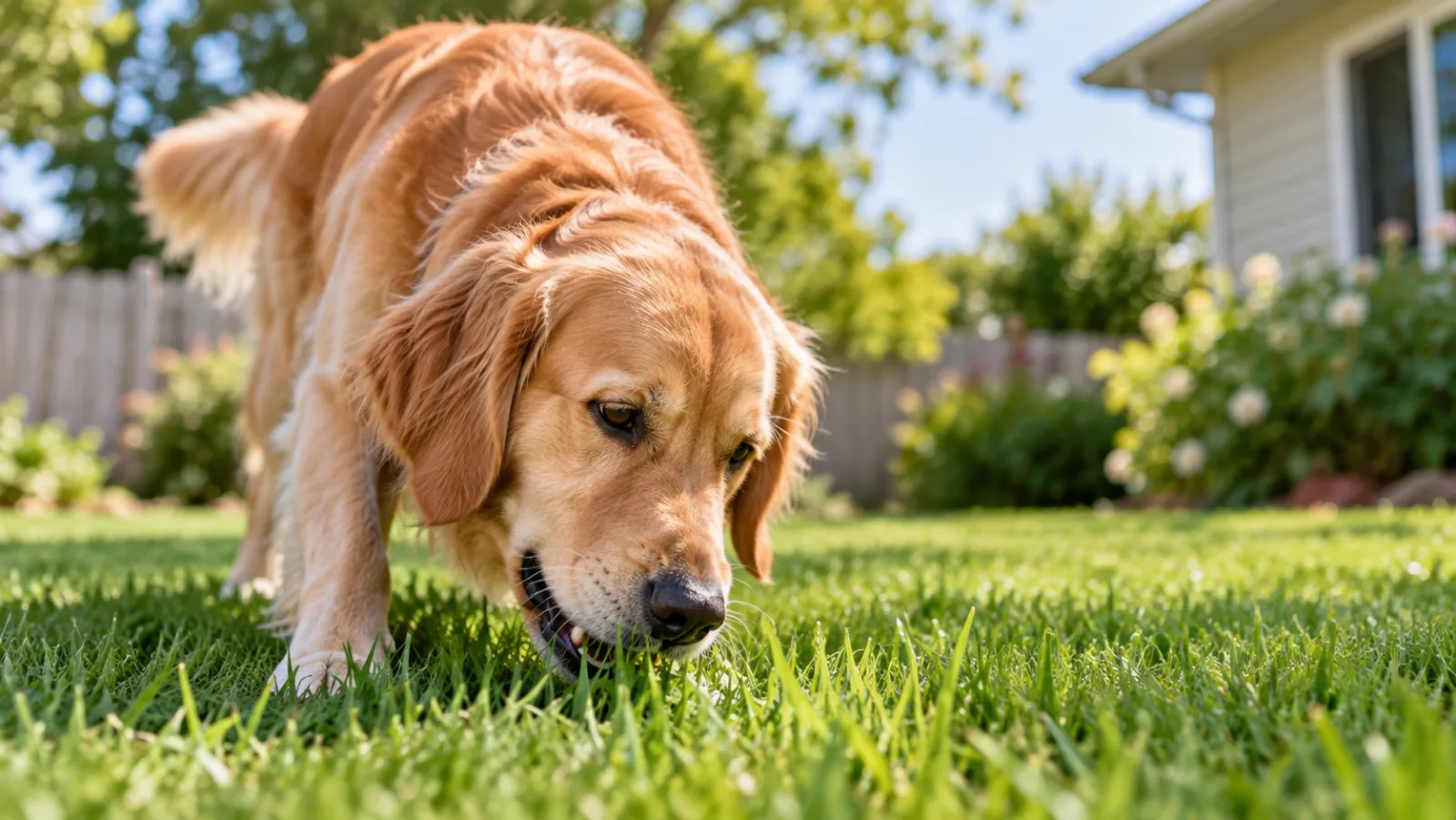
Why do dogs eat grass? Dogs may eat grass because they like the taste or texture, enjoy foraging, are bored, are seeking roughage, or have some gastrointestinal discomfort. Most occasional grass eating in an otherwise healthy dog is not automatically an emergency.
Should you stop your dog? Not necessarily. If your dog occasionally nibbles clean, untreated grass and otherwise behaves normally, there may be no need to stop every bite. The bigger concern is grass exposed to herbicides, pesticides, fertilizers, contaminated soil, or other potentially harmful substances.
If grass eating becomes frequent or comes with repeated vomiting, diarrhea, appetite changes, lethargy, weight loss, pain, or other unusual symptoms, contact your veterinarian.
Why Do Dogs Eat Grass?
Grass eating is common enough that veterinarians hear the question regularly.
One reason it is difficult to give a single answer is that dogs do not all eat grass for the same reason. One dog may enjoy fresh grass during a walk. Another may graze because it has little else to do in the yard. Another may eat plants when its stomach feels unsettled.
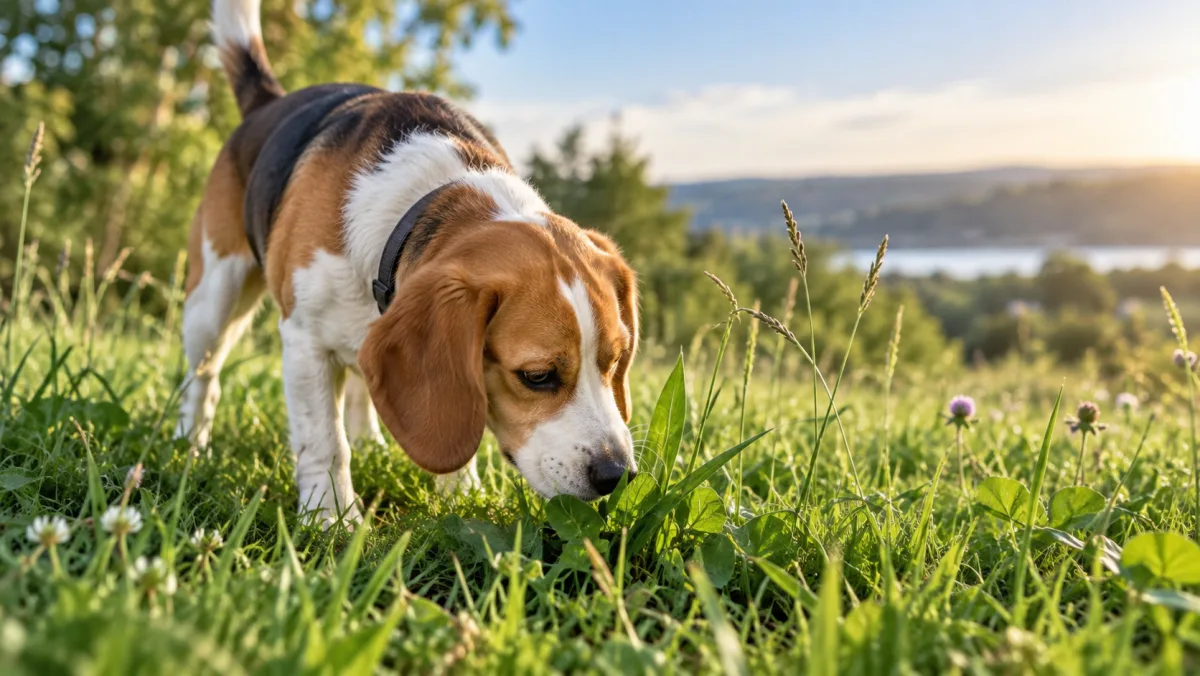
Veterinary sources also note that dogs have a broad natural feeding behavior that can include plant material. That means eating a small amount of vegetation does not automatically mean a dog is sick.
The useful distinction is between occasional grazing in an otherwise normal dog and a noticeable change in behavior accompanied by other signs.
7 Reasons Dogs Eat Grass
1. They simply like the taste or texture
Sometimes the explanation is surprisingly simple: your dog likes grass.
Fresh, tender grass can be appealing to some dogs. If your dog takes a few bites, continues walking, eats normally, plays normally, and shows no other concerning signs, the behavior may simply be a preference.
Dogs explore the world with their mouths, and some will sample plants, grass, dirt, sticks, or other things they encounter.
That does not mean every plant is safe. It simply means that an occasional interest in grass is not, by itself, proof that your dog has a medical problem.
2. It may be part of normal foraging behavior
Dogs have inherited many behaviors associated with searching for and investigating food.
Modern dogs may receive complete commercial diets from a bowl, but they still sniff, search, dig, chew, and investigate things in their environment.
Grass can become part of that natural foraging routine.
This is especially noticeable during walks or outdoor time, when there are plenty of smells and textures to investigate.
If your dog is otherwise healthy, occasional grazing can simply be one more thing it finds interesting.
3. Boredom can turn grass into an activity
A dog with too little physical or mental stimulation may look for its own entertainment.
If your dog spends long periods alone in a yard and repeatedly wanders around eating grass, boredom is one possibility worth considering.
Look at the bigger picture. Does your dog also:
- dig more than usual?
- chew things it should not chew?
- pace around the yard?
- bark excessively?
- constantly seek your attention?
- seem restless after spending time outside?
If several of these behaviors occur together, increasing exercise, play, sniffing opportunities, and supervised enrichment may help.

Affiliate disclosure: Some links on this page are Amazon affiliate links. If you purchase through one of these links, we may earn a commission at no additional cost to you. We only recommend products that are relevant to the topic discussed.

KONG Classic Dog Toy
Looking for an easy boredom-buster? The KONG Classic is a durable rubber enrichment toy that can be stuffed with appropriate food or treats. It gives dogs something productive to chew, lick, and work on instead of simply looking for their own entertainment.
- Durable natural-rubber design
- Can be stuffed with appropriate treats or food
- Available in different sizes
Best for: dogs that enjoy chewing and food-based enrichment.
Important: Choose the correct size and supervise your dog. Remove the toy if it becomes damaged.
Check KONG Classic on Amazon (opens in a new tab)
As an Amazon Associate, we may earn from qualifying purchases.
4. They may be looking for more roughage
Grass contains fiber, and veterinary sources note that dogs need roughage as part of a healthy diet.
That does not mean every dog that eats grass has a fiber deficiency.
A complete and balanced diet should already provide appropriate nutrition for most dogs. However, a dog's individual dietary needs can vary, and persistent plant eating may be worth discussing with a veterinarian.

Signs that deserve more attention include changes in stool, constipation, diarrhea, appetite changes, weight loss, or repeated digestive problems. If loose stools are part of the picture, our guide to dog diarrhea covers home care and when it needs a vet.
Do not start adding large amounts of fiber simply because your dog eats grass.
More fiber is not automatically better, and dietary changes should be appropriate for the individual dog. If you are weighing a fiber change, our overview of high-fiber dog food explains how to think about it sensibly.
5. An upset stomach may be involved
This is the explanation most dog owners hear first, but it is more complicated than the popular "dogs eat grass to make themselves vomit" story.
Some dogs do eat grass when they feel nauseated or have digestive discomfort.
However, veterinary literature does not support the idea that most dogs deliberately eat grass as a reliable way to make themselves vomit.
If your dog is already showing signs such as vomiting, diarrhea, abdominal discomfort, reduced appetite, or unusual behavior, focus on the underlying symptoms rather than assuming grass is the treatment.
A dog with repeated gastrointestinal symptoms should be evaluated by a veterinarian. Our guide to dog gut health covers what supports a steady digestive system over time.
6. They may be eating grass because it is readily available
Sometimes availability is the whole explanation.
A dog does not need a special reason to investigate something that is directly under its nose.
This is why the same dog may eat grass in one location but ignore it somewhere else.
The important question is not only "Why does my dog like grass?"
Also ask: What exactly is on that grass?
A clean patch of untreated grass is very different from grass recently exposed to lawn chemicals or grass in an area heavily contaminated with animal feces.
7. A persistent change can sometimes occur alongside a health problem
Grass eating is not a diagnosis.
If your dog suddenly begins eating large amounts of grass, does it obsessively, or combines it with other changes, do not assume the grass itself is the problem.
Persistent digestive symptoms can have many causes, including gastrointestinal disease, parasites, dietary issues, or other medical conditions.
The pattern matters.
A dog that occasionally nibbles grass and otherwise acts completely normal is different from a dog that suddenly grazes constantly while vomiting, losing weight, becoming lethargic, or refusing food.
When the behavior changes significantly, a veterinarian can help determine whether anything else needs to be investigated.
Do Dogs Eat Grass to Make Themselves Vomit?
This is one of the biggest myths surrounding grass eating.
Some dogs eat grass and vomit afterward. That does not prove that vomiting was the reason they ate the grass.
Veterinary sources report that fewer than one-quarter of dogs studied vomited after eating grass, and only a small proportion showed signs of illness before eating it. That makes the simple explanation that dogs generally eat grass specifically to induce vomiting much less convincing.
So what should you do if your dog eats grass and then vomits?
Look at the whole situation.
One isolated episode in an otherwise healthy dog may not indicate a serious problem. Repeated vomiting, vomiting with other symptoms, or a noticeable change in your dog's behavior deserves veterinary attention.
Do not deliberately encourage your dog to eat grass to make it vomit.
Is It Safe for Dogs to Eat Grass?
The grass itself is not always the biggest concern.
What matters is what the dog may ingest along with it.
Potential concerns include:
- herbicides
- pesticides
- fertilizers
- contaminated soil
- fecal contamination
- unfamiliar plants
- other chemicals or substances present in the environment
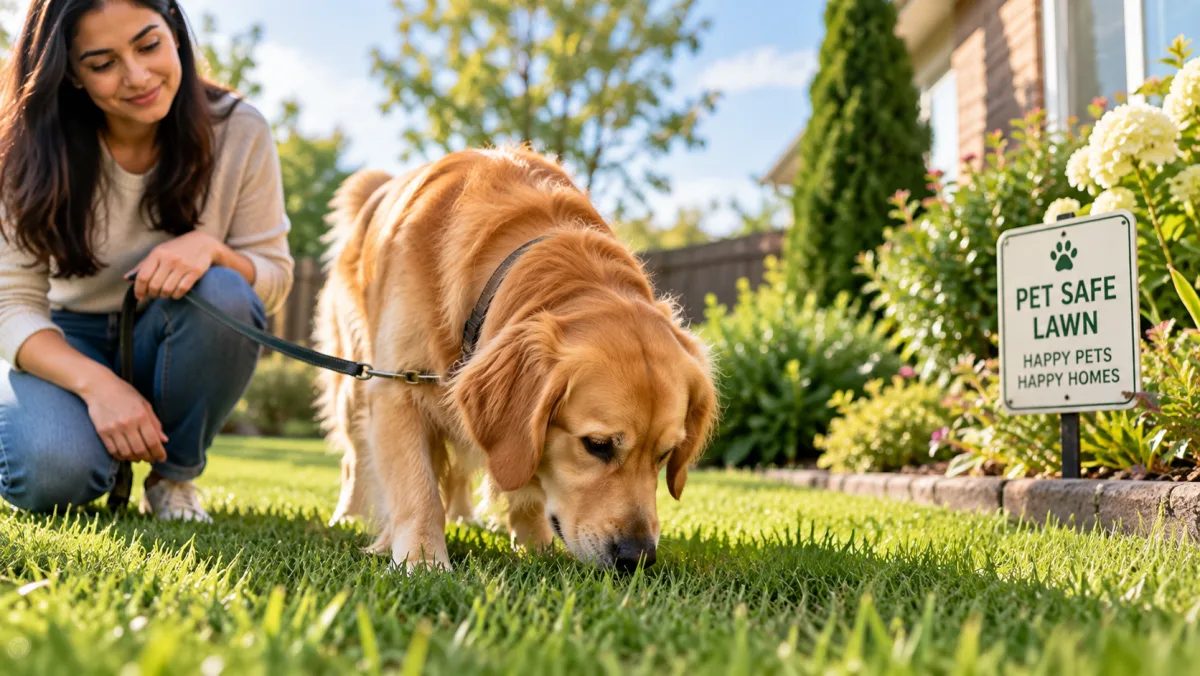
The ASPCA advises keeping pets away from treated areas and following product-label directions. Some lawn and garden chemicals can cause gastrointestinal or neurological signs if ingested, particularly while products are still wet.
If you know your dog has eaten a potentially toxic substance, contact your veterinarian or an appropriate animal poison-control service promptly.
Put simply: occasional grazing on clean, untreated grass is often not a problem for an otherwise healthy dog, but the environment matters.
When Should You Worry About Your Dog Eating Grass?
Occasional grazing is different from a sudden or persistent change.

Contact your veterinarian if grass eating is accompanied by:
- repeated vomiting
- persistent or severe diarrhea
- loss of appetite
- unusual lethargy
- weight loss
- signs of abdominal pain
- significant changes in thirst or urination
- repeated attempts to eat grass while appearing uncomfortable
- other behavior changes that are unusual for your dog
Also seek professional advice if you suspect your dog has eaten grass treated with a pesticide, herbicide, fertilizer, or another potentially harmful substance.
Emergency note
If your dog may have ingested a known toxin, is having difficulty breathing, has seizures, collapses, is severely weak, or is showing another emergency sign, do not wait for a blog article to tell you what to do. Contact an emergency veterinarian or appropriate poison-control service immediately.
How to Stop Your Dog From Eating Grass
You do not necessarily need to eliminate every instance of grass eating.
If the behavior is occasional and your dog is healthy, a better goal may be to reduce excessive grazing and control the environment.
1. Check the lawn first
If your dog regularly eats grass in your yard, know whether the area has been treated with lawn products.
Keep your dog away from recently treated areas according to the product label and local veterinary guidance.
Do not let your dog graze on unknown plants.
2. Increase physical activity
A dog that has more opportunities to walk, sniff, explore, and play may have less reason to invent its own activities.
The goal is not simply to "wear the dog out."
Sniffing and exploration are useful forms of enrichment too.
3. Add mental enrichment
Food puzzles, interactive toys, training games, scent games, and supervised play can give dogs a constructive outlet.

Nina Ottosson by Outward Hound Dog Brick
For dogs that love to forage: The Nina Ottosson by Outward Hound Dog Brick is an interactive puzzle toy with treat compartments that encourages dogs to search, sniff, and work out how to access rewards.
It can be useful as part of a broader enrichment routine for dogs that seem bored or highly motivated by foraging.
Best for: dogs that enjoy food puzzles and problem-solving.
Safety: Start at the appropriate difficulty level and supervise play. Inspect the toy regularly and remove it if damaged.
See the Dog Brick on Amazon (opens in a new tab)
As an Amazon Associate, we may earn from qualifying purchases.
4. Review your dog's diet with your veterinarian
If grass eating is frequent and you also notice digestive or stool changes, talk to your veterinarian about the diet.
Do not automatically switch foods or add fiber supplements based only on grass eating.
5. Consider plain pumpkin only when it makes sense
Plain, unseasoned pumpkin is a source of fiber and is commonly used in small amounts as a food addition for dogs.
However, pumpkin is not a treatment for unexplained chronic digestive problems.
If your veterinarian agrees that adding a small amount of pumpkin makes sense for your dog, use plain 100% pumpkin with no added sugar, spices, or other ingredients.
Never confuse plain pumpkin with pumpkin pie filling.
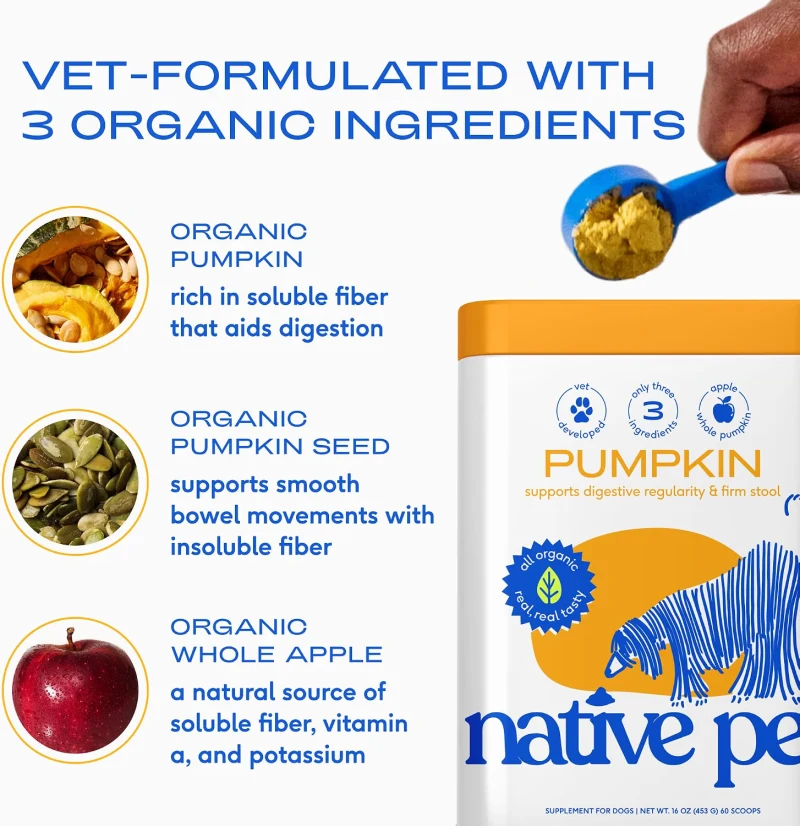
Plain 100% Pumpkin for Dogs
A simple fiber option: If your veterinarian has recommended adding a little fiber to your dog's diet, plain 100% pumpkin can be a convenient option. Look for a product with no added sugar, spices, or other unnecessary ingredients.
This is a dietary ingredient, not a treatment for the cause of persistent vomiting, diarrhea, weight loss, or other ongoing symptoms.
Check Plain Pumpkin Options on Amazon (opens in a new tab)
As an Amazon Associate, we may earn from qualifying purchases.
Amazon Products That Can Help With the Underlying Behavior
A quick note on the recommendations in this guide. Amazon products are supporting suggestions, not the reason for the article — so there are only a few, and each is tied to a specific cause discussed above rather than a generic "best products" roundup:
- KONG Classic — for boredom and the need for an engaging activity. An enrichment alternative, not a treatment for grass eating.
- Nina Ottosson by Outward Hound Dog Brick — for foraging and food-puzzle behavior. Enrichment and problem-solving, not a treatment for anxiety or compulsive behavior.
- Plain 100% Pumpkin — an optional dietary ingredient when your veterinarian agrees it is appropriate, not a cure for stomach problems or a universal solution for grass eating.
Affiliate disclosure: Some links on this page are Amazon affiliate links. If you purchase through one of these links, we may earn a commission at no additional cost to you. We only recommend products that are relevant to the topic discussed.
Common Myths About Dogs Eating Grass
Myth 1: Dogs only eat grass when they are sick
Not necessarily.
Healthy dogs may eat grass occasionally. Taste, texture, foraging behavior, boredom, and other factors can all play a role.
Myth 2: Dogs always eat grass to make themselves vomit
No.
Some dogs vomit after eating grass, but most grass-eating dogs do not necessarily vomit afterward. Grass eating should not be treated as a reliable way for a dog to induce vomiting.
Myth 3: Eating grass means a dog is missing vitamins
Not automatically.
A dog eating grass does not prove that its diet is deficient in vitamins or minerals. If you are concerned about nutrition, discuss the dog's complete diet with a veterinarian.
Myth 4: You should always stop a dog from eating grass
Not necessarily.
The response depends on the environment, the dog's health, how much grass it is eating, and whether other symptoms are present.
A Simple Grass-Eating Decision Guide
Use this as a compact decision tree.
Your dog eats grass occasionally — and
- acts normally
- eats normally
- has normal energy
- has no repeated vomiting or diarrhea
- is eating clean, untreated grass
→ Occasional grazing may simply be normal behavior. Monitor it.
Your dog suddenly eats much more grass — or
- seems uncomfortable
- vomits repeatedly
- has persistent diarrhea
- loses appetite
- becomes lethargic
- loses weight
→ Contact your veterinarian.
Your dog may have eaten treated grass or another potentially toxic substance
→ Contact your veterinarian or an appropriate poison-control service promptly.
The behavior seems connected to boredom? → Increase exercise, sniffing, training, play, and supervised enrichment.
Final Takeaway
So, why do dogs eat grass?
There is no single answer.
Some dogs simply enjoy it. Others may be exploring, foraging, looking for roughage, or filling time when they are bored. Grass eating can also happen alongside stomach discomfort or other health problems.
The behavior itself is less useful than the pattern around it.
An otherwise healthy dog that occasionally nibbles clean grass is very different from a dog that suddenly starts grazing constantly and also vomits, develops diarrhea, loses appetite, becomes lethargic, or shows signs of pain.
Watch the whole dog, not just the grass.
And if something about the behavior feels different from your dog's normal routine, your veterinarian is the right person to help determine why.
Give Your Dog a Better Alternative to Boredom
If your dog's grass eating seems connected to boredom or a need for more activity, start with simple changes: more walks, sniffing time, training games, supervised play, and appropriate enrichment toys.
See Dog Enrichment Options on Amazon (opens in a new tab)
And the bigger picture: If the behavior is sudden, excessive, or accompanied by other symptoms, talk with your veterinarian.
Frequently Asked Questions
Why does my dog eat grass and then throw up?
Some dogs may eat grass when they already feel nauseated, and some vomit afterward. However, grass eating does not reliably mean that a dog was trying to make itself vomit. Repeated vomiting should be discussed with a veterinarian.
Is it bad if my dog eats grass every day?
Daily grass eating is not automatically a diagnosis, but frequency matters more when it is a new behavior or is accompanied by vomiting, diarrhea, appetite changes, lethargy, weight loss, or discomfort. If the behavior is persistent or changing, discuss it with your veterinarian.
Can grass cause a blockage in dogs?
Large amounts of plant material can potentially cause digestive problems, particularly if a dog consumes unusual quantities. If your dog is repeatedly eating large amounts of grass and develops vomiting, abdominal pain, loss of appetite, or other concerning signs, contact a veterinarian.
Should I stop my dog from eating grass?
You do not necessarily need to stop occasional grazing on clean, untreated grass in an otherwise healthy dog. You should prevent access to grass that may have been treated with chemicals or contaminated with potentially harmful substances.
What can I give my dog instead of grass?
If boredom or foraging appears to be part of the behavior, try supervised enrichment such as walks, sniffing games, food puzzles, training exercises, or an appropriate treat-dispensing toy. If you are considering adding food such as pumpkin for fiber, discuss the change with your veterinarian first.
Does eating grass mean my dog has a vitamin deficiency?
No. Grass eating alone does not establish that a dog is deficient in vitamins or minerals. A complete dietary review with a veterinarian is more appropriate if you are concerned about nutrition.
Can dogs eat grass after it has been treated with weed killer?
Do not allow your dog access to treated areas until the product label says it is safe for pets to return. If you believe your dog has ingested a lawn chemical, contact a veterinarian or appropriate poison-control service.
Related Articles
 Dog diarrhea: causes, home care and when to see a vet
What causes loose stools, the bland-diet method, and the red flags that need a vet.
Dog diarrhea: causes, home care and when to see a vet
What causes loose stools, the bland-diet method, and the red flags that need a vet.
 Dog gut health
Practical ways to support steady digestion and a settled stomach over time.
Dog gut health
Practical ways to support steady digestion and a settled stomach over time.
 Best high-fiber dog food
How to think about fiber, when it helps, and how to add it sensibly.
Best high-fiber dog food
How to think about fiber, when it helps, and how to add it sensibly.
Sources & editorial references
- VCA Animal Hospitals. "Why Do Dogs Eat Grass?" vcahospitals.com
- Merck Veterinary Manual. "Overview of Nutrition: Small Animals" and "Disorders of the Stomach and Intestines in Dogs." merckvetmanual.com
- ASPCA. Lawn, garden and treated-area pet-safety guidance; Animal Poison Control. aspca.org
- American Kennel Club (AKC). "The Facts on Fiber in Dog Food." akc.org
- PetMD (vet-reviewed). "Can Dogs Eat Pumpkin? Benefits, Risks, and Feeding Tips." petmd.com
Affiliate note: this page contains Amazon affiliate links to product search results for the items discussed. As an Amazon Associate we earn from qualifying purchases, at no extra cost to you. We link to search results rather than making price, availability or rating claims, and no product is presented as a treatment for grass eating or any medical condition.
Medical note: This article is general education for dog owners, not veterinary advice, diagnosis, or treatment. Grass eating can occasionally accompany a health problem — always consult your veterinarian, especially for persistent, sudden, or severe symptoms, or for puppies, seniors, and unwell dogs.