Dog Health
Why Do Dogs Eat Grass and Vomit?
If your dog eats grass and then vomits, it is easy to assume the grass caused the vomiting or that your dog was trying to make itself sick. Sometimes grass eating and vomiting happen together, but the reason is not always clear. Dogs may eat grass because they like the taste or texture, because of normal foraging behavior, boredom or habit, or because they are experiencing stomach discomfort. There is not enough evidence to say that dogs generally eat grass specifically to make themselves vomit.
An occasional episode is often less concerning when your dog otherwise seems normal. Repeated vomiting, frequent grass eating, blood in vomit, lethargy, loss of appetite, or other signs of illness are different. Those changes warrant veterinary advice.
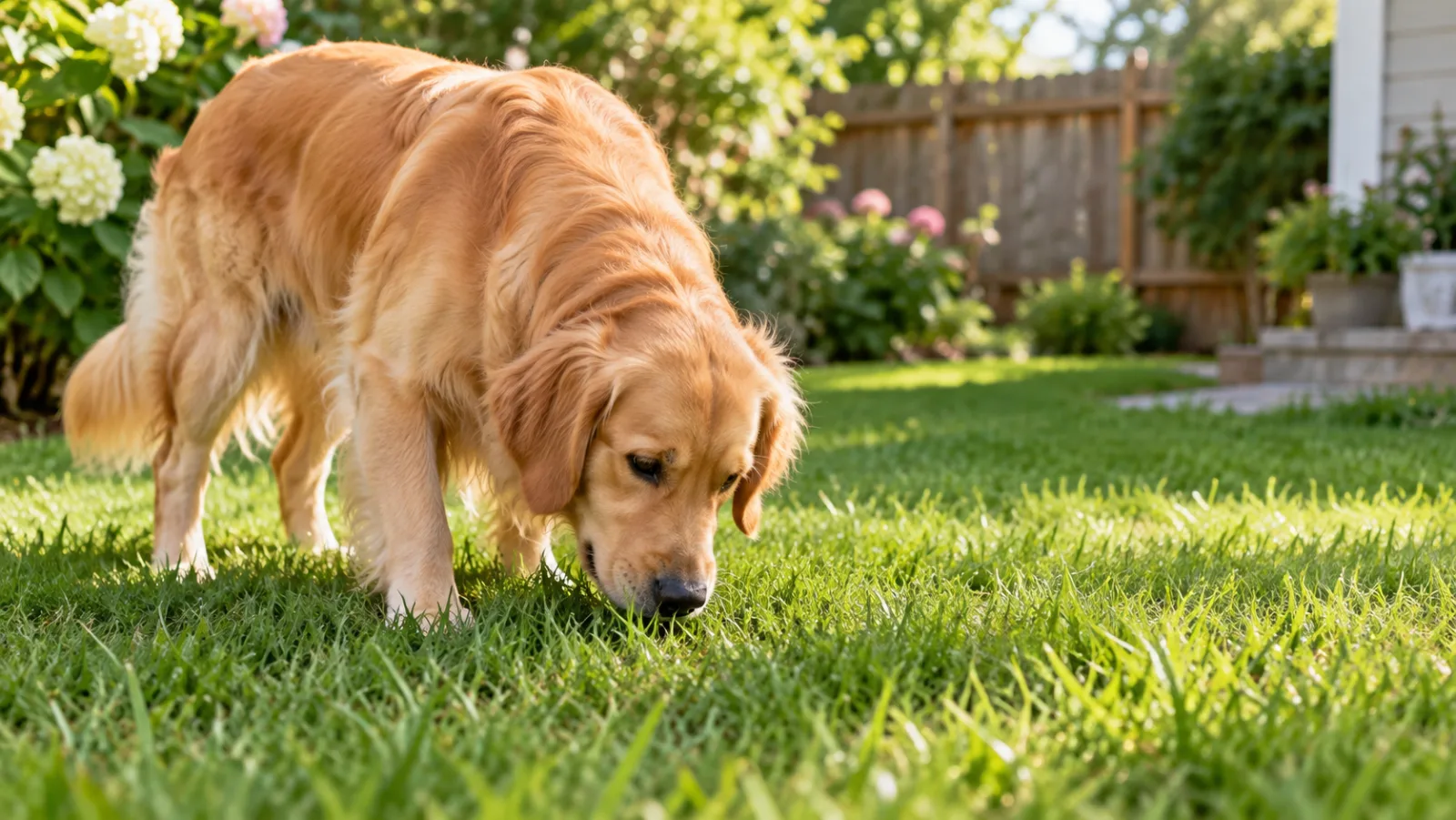
Why Is My Dog Eating Grass?
There is no single proven explanation for why dogs eat grass. Veterinary and pet-health sources describe several possible reasons, and more than one may apply to the same dog.
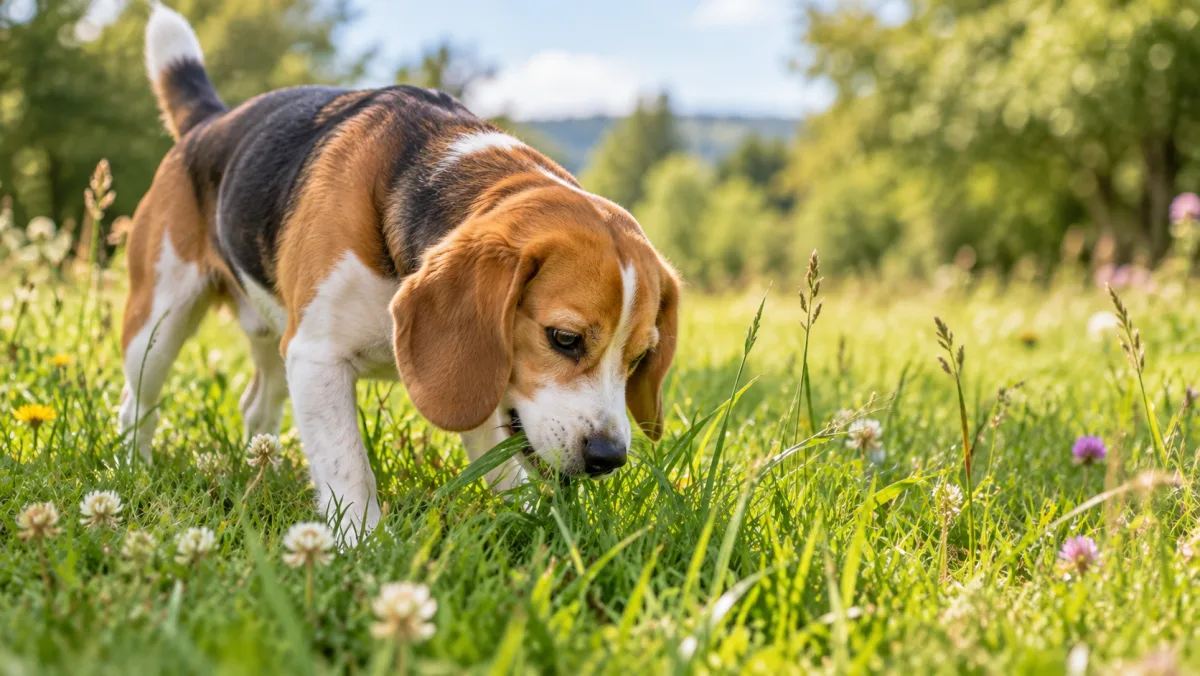
An Upset Stomach or Nausea
Some owners notice their dogs eat grass around episodes of stomach upset or vomiting. Nausea is one proposed explanation, but eating grass should not automatically be treated as proof that a dog is nauseous. Dogs can vomit for many reasons, including gastrointestinal illness, food changes, dietary indiscretion and other digestive problems. The Merck Veterinary Manual notes that vomiting can be caused by many disorders, from digestive disease to the ingestion of irritating substances.
They Like the Taste or Texture
Fresh grass may simply be appealing. Dogs can investigate and eat plant material as part of normal exploratory behavior, and some dogs may prefer the taste or texture of grass.
Instinct and Foraging Behavior
Plant material has been found in the stomach contents of wild canids, and dogs may have inherited some foraging behaviors from their ancestors. Eating grass can therefore be a normal behavior rather than a sign that something is wrong.
Fiber or Diet
Grass contains fiber, which has led to the theory that some dogs may seek plant material when they need more fiber or when their diet does not suit them. However, the available evidence does not establish that dogs routinely eat grass because of a nutritional deficiency. A complete and balanced diet is important, and persistent concerns about diet should be discussed with a veterinarian. VCA Animal Hospitals notes that grass is a source of roughage, while dogs on well-balanced commercial diets should not be nutritionally deficient.
Boredom or Habit
Understimulation can contribute to repetitive behaviors. A dog that has limited physical or mental activity may investigate, chew or eat grass simply because the behavior is available and interesting.
The Grass May Irritate the Stomach
Grass can sometimes be followed by vomiting, but that does not prove that dogs eat it to induce vomiting. If your dog repeatedly eats grass and vomits, the vomiting itself deserves attention because there can be causes unrelated to the grass.
Why Does My Dog Eat Grass and Then Throw Up?

Dogs can vomit after eating grass, but it is not unusual for dogs to eat grass without vomiting. The veterinary team at VCA Animal Hospitals notes that fewer than 25% of dogs may vomit after eating grass, while only a smaller proportion show signs of illness beforehand. This makes it difficult to use vomiting alone as evidence that a dog was eating grass specifically to make itself sick.
If vomiting happens repeatedly, look at the whole pattern rather than focusing only on the grass. Recent food changes, dietary indiscretion, gastrointestinal illness and other health problems can also cause vomiting. The frequency of the episodes and how your dog behaves between them are important. For a fuller look at the behavior on its own, see our guide to why dogs eat grass.
Why Does My Dog Eat Grass and Vomit in the Morning?

Morning vomiting can sometimes follow a long period without food. One source describes bilious vomiting syndrome as a pattern in which dogs may vomit bile after going for a prolonged period without eating. A dog that repeatedly vomits in the morning should be discussed with a veterinarian rather than assuming grass is the cause.
Keeping track of when the vomiting happens, whether grass was eaten beforehand, what the vomit looks like, and whether your dog is eating and acting normally can give your veterinarian useful information.
Should I Worry if My Dog Eats Grass and Vomits?

A single episode in an otherwise normal dog is not automatically an emergency. The bigger concern is a pattern of repeated vomiting or a noticeable change in your dog's normal behavior. Guidance from the UC Davis School of Veterinary Medicine similarly suggests that one-time vomiting in an otherwise healthy, bright dog that is still eating and drinking is generally reasonable to monitor.
Contact your veterinarian if your dog is repeatedly eating grass, vomiting regularly, has blood in the vomit, refuses food, seems lethargic, develops a fever, or otherwise appears unwell. These signs can point to a problem that needs assessment. The Merck Veterinary Manual lists blood, weakness, fever, and weight loss alongside repeated vomiting as reasons for a more detailed veterinary examination.
Is It Safe for Dogs to Eat Grass?
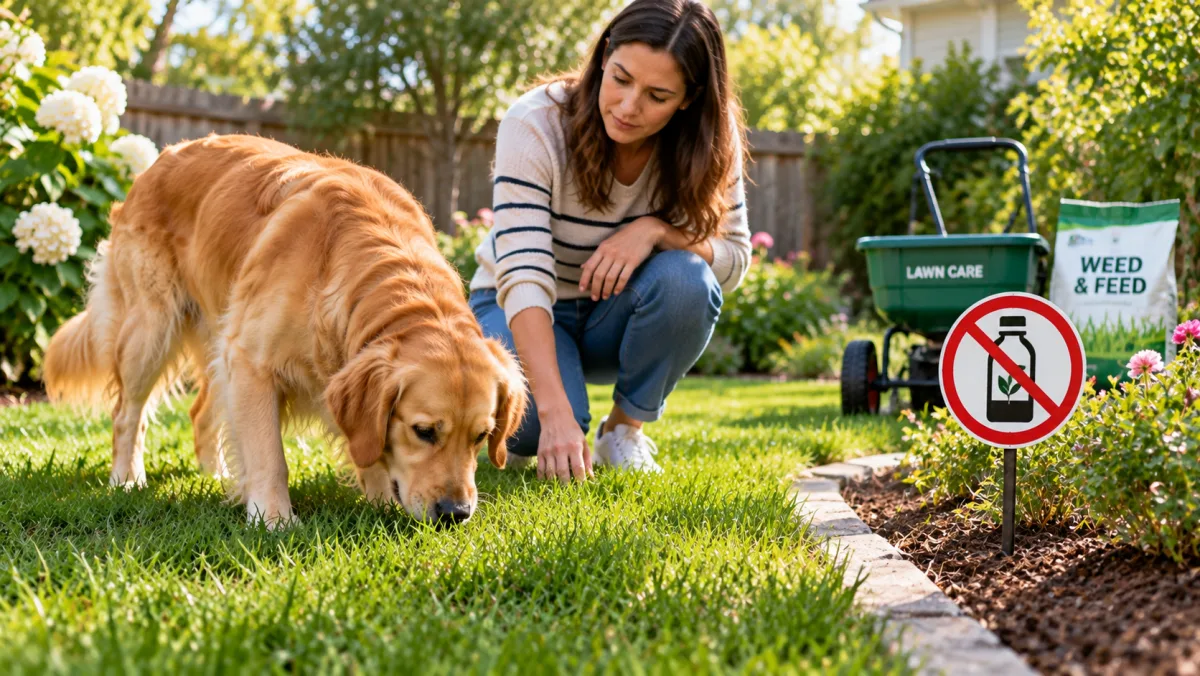
Occasional grass eating is generally considered a normal behavior, but the grass itself is not the only consideration. Make sure your dog cannot access grass treated with pesticides, herbicides or other potentially harmful chemicals. VCA Animal Hospitals notes that the herbicides and pesticides sprayed on grass can be toxic to dogs, and that grazing can also expose them to intestinal parasites.
Also be aware of plants growing in or around the grass. A dog may ingest plant material that is not safe simply because it is mixed into an area where the dog is grazing.
What Should I Do if My Dog Eats Grass and Vomits?
Start by observing the pattern. Note how often your dog eats grass, how often vomiting occurs, whether vomiting follows the grass eating, and whether there are other changes such as poor appetite or low energy.
If the episode is isolated and your dog quickly returns to normal, continue monitoring. If vomiting continues or your dog seems unwell, contact your veterinarian. Do not assume that grass is the underlying cause simply because it appeared shortly before the vomiting.
It is also worth checking the environment. Keep your dog away from treated lawns and make sure potentially toxic plants are not accessible.
Can Digestive Support Help?
When grass eating and vomiting are occasional and your dog is otherwise well, there is usually no need to change anything beyond watching the pattern and keeping the environment safe. Recurring digestive upset is different, and that is a conversation for your veterinarian rather than something to solve with a supplement. If loose stools are also part of the picture, our guide to dog diarrhea covers home care and the red flags that need a vet, and our overview of dog gut health looks at what supports steady digestion over time.
Some owners choose to add a dog-specific digestive supplement as part of general digestive support once a veterinarian has ruled out an underlying problem. That is optional supportive care, not a treatment. A supplement will not stop a dog eating grass, will not prevent or cure vomiting, and is not a substitute for veterinary assessment when a dog is genuinely unwell.
Affiliate disclosure: Some links on this page are affiliate links. As an Amazon Associate we earn from qualifying purchases, and we may earn a commission if you buy PawBiotix through our links — at no additional cost to you. This never changes our editorial judgment or the price you pay, and no product is presented as a treatment for grass eating or vomiting.
How Can I Stop My Dog From Eating Grass?

If grass eating is occasional and your dog is otherwise healthy, you may not need to stop it completely. If the behavior is excessive or persistent, focus on the reason it may be happening.
More physical activity and mental enrichment can help when boredom or understimulation is part of the pattern. Puzzle toys, interactive activities, walks and play can give your dog other ways to investigate and stay occupied. VCA Animal Hospitals suggests that a food-containing puzzle toy can provide mental stimulation and relieve boredom, and that more active dogs benefit from more frequent walks.
If boredom or understimulation may be part of the picture, structured enrichment gives your dog another appropriate outlet for the natural sniffing, searching and problem-solving that grazing can provide. A food puzzle or a stuffable chew toy is a simple way to redirect that energy — not a way to stop grass eating or prevent vomiting, but a constructive alternative activity.
Affiliate disclosure: Some links below are Amazon affiliate links. If you purchase through one of these links, we may earn a commission at no additional cost to you. We only recommend products that are relevant to the topic discussed.

Nina Ottosson by Outward Hound Dog Brick
For dogs that love to forage: The Nina Ottosson by Outward Hound Dog Brick is an interactive puzzle toy with treat compartments that encourages dogs to search, sniff, and work out how to access rewards.
It can be a useful part of a broader enrichment routine for dogs that seem bored or highly motivated by foraging, giving that behavior a structured outlet.
Best for: dogs that enjoy food puzzles and problem-solving.
Safety: Start at the appropriate difficulty level and supervise play. Inspect the toy regularly and remove it if damaged.
See the Dog Brick on Amazon (opens in a new tab)
As an Amazon Associate, we may earn from qualifying purchases.

KONG Classic Dog Toy
A simple boredom-buster: The KONG Classic is a durable rubber enrichment toy that can be stuffed with appropriate food or treats. It gives dogs something productive to chew, lick, and work on when they might otherwise look for their own entertainment.
- Durable natural-rubber design
- Can be stuffed with appropriate treats or food
- Available in different sizes
Best for: dogs that enjoy chewing and food-based enrichment.
Important: Choose the correct size and supervise your dog. Remove the toy if it becomes damaged.
Check KONG Classic on Amazon (opens in a new tab)
As an Amazon Associate, we may earn from qualifying purchases.
If you suspect diet or digestive discomfort is involved, speak with your veterinarian before making major dietary changes. They can help determine whether the grass eating and vomiting are connected to an underlying problem.
Frequently Asked Questions
Why do dogs eat grass and vomit?
Dogs may eat grass for several possible reasons, including taste, texture, instinctive foraging, boredom, habit or possible digestive discomfort. Vomiting can happen after grass eating, but there is not enough evidence to say that dogs generally eat grass specifically to make themselves vomit.
Does eating grass make dogs vomit?
It can be followed by vomiting in some dogs, but many dogs eat grass without vomiting. If vomiting happens repeatedly, the grass should not automatically be assumed to be the cause.
Should I be worried if my dog eats grass and throws up?
An isolated episode in a dog that quickly returns to normal is less concerning than repeated vomiting. Veterinary advice is appropriate if vomiting continues or your dog has other signs of illness.
Why does my dog eat grass and vomit every morning?
Repeated morning vomiting can have causes that are unrelated to grass. A pattern of vomiting after a long period without food can occur with bilious vomiting syndrome, so recurring morning episodes should be discussed with a veterinarian.
Can dogs eat grass safely?
Occasional grass eating is generally considered normal, but dogs should not be allowed to eat grass treated with pesticides or herbicides. Also check the area for plants that may be toxic to dogs.
How can I stop my dog from eating grass and vomiting?
If the behavior is frequent, first look for a pattern and discuss it with your veterinarian. More exercise and mental enrichment may help when boredom is involved, while diet changes should be guided by a veterinarian when digestive or nutritional concerns are suspected.
When should I call the vet if my dog eats grass and vomits?
Contact your veterinarian if your dog is vomiting repeatedly, eating grass constantly, has blood in the vomit, refuses food, is lethargic, has a fever, or otherwise seems unwell.
Related Articles
 Why do dogs eat grass?
The common reasons behind grazing, the vomiting myth, and how to redirect the habit.
Why do dogs eat grass?
The common reasons behind grazing, the vomiting myth, and how to redirect the habit.
 Dog gut health
Practical ways to support steady digestion and a settled stomach over time.
Dog gut health
Practical ways to support steady digestion and a settled stomach over time.
 Dog diarrhea: causes, home care and when to see a vet
What causes loose stools, the bland-diet method, and the red flags that need a vet.
Dog diarrhea: causes, home care and when to see a vet
What causes loose stools, the bland-diet method, and the red flags that need a vet.
Sources & editorial references
- VCA Animal Hospitals. "Why Dogs Eat Grass." vcahospitals.com
- Merck Veterinary Manual. "Vomiting in Dogs." merckvetmanual.com
- UC Davis School of Veterinary Medicine. "Guide to Pet Emergencies." healthtopics.vetmed.ucdavis.edu
Affiliate note: this page contains affiliate links. The Amazon links point to product search results for the items discussed, and there are clearly separated PawBiotix links. As an Amazon Associate we earn from qualifying purchases, and we may earn a commission if you buy through our links, at no extra cost to you. We do not display prices, ratings or availability, and no product is presented as a treatment for grass eating, vomiting, or any medical condition.
Medical note: This article is general education for dog owners, not veterinary advice, diagnosis, or treatment. Grass eating and vomiting can occasionally accompany a health problem — always consult your veterinarian, especially for persistent, sudden, or severe symptoms, or for puppies, seniors, and unwell dogs.