Dog Health
Should I Let My Dog Eat Grass?
Yes, occasional grass eating can be normal for some dogs, but that does not mean you should encourage your dog to eat as much grass as it wants. The more useful question is where the grass came from, how often your dog is eating it, and whether your dog has other symptoms.
If your dog occasionally grazes on untreated grass and otherwise acts normal, eats and drinks normally, and has no concerning symptoms, you can usually monitor rather than panic. But if your dog is repeatedly eating grass, suddenly eating large amounts, acting sick, or vomiting repeatedly, it is worth paying closer attention and contacting your veterinarian when appropriate.
Can Dogs Eat Grass?
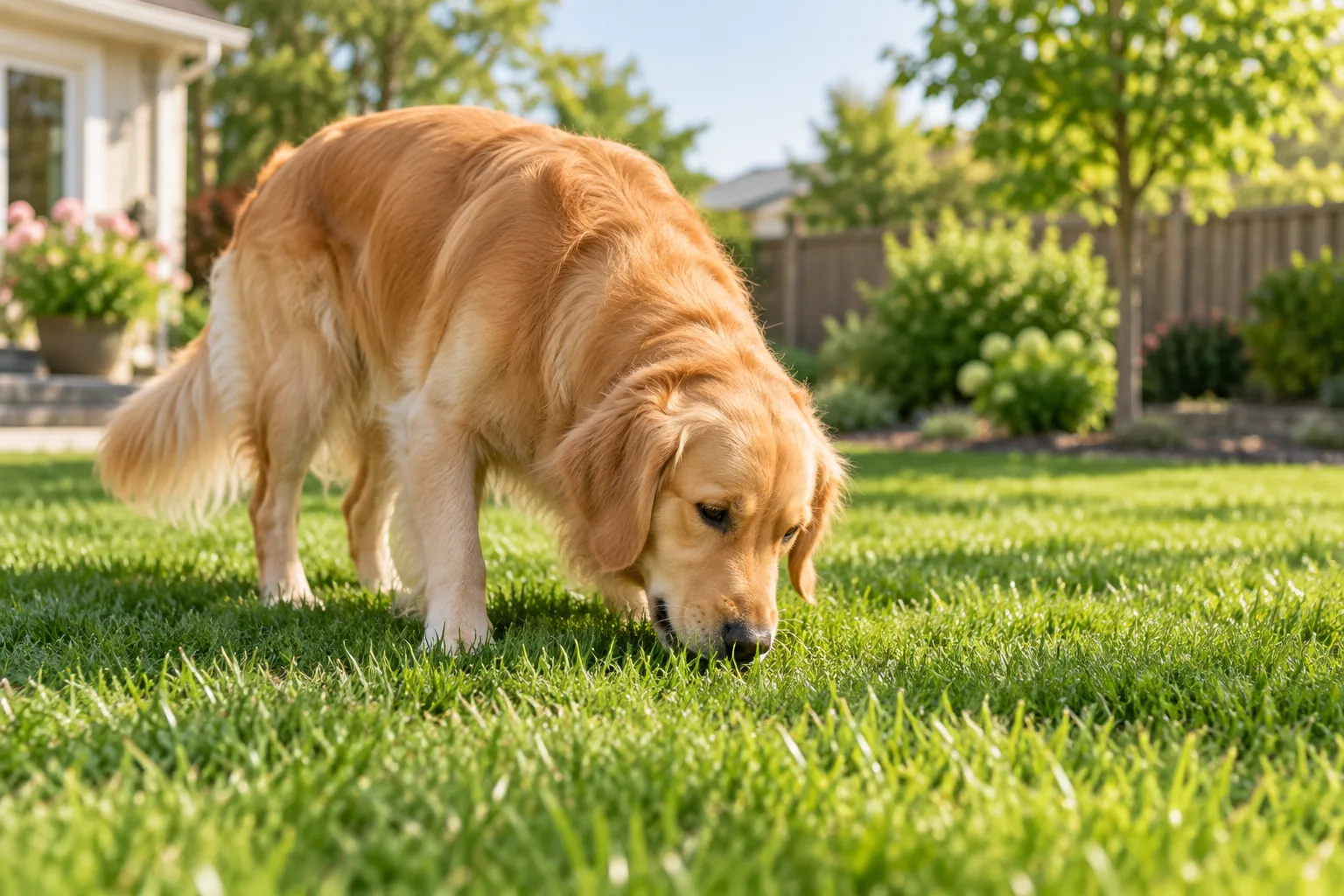
Many dogs eat grass from time to time. Grass itself is not automatically dangerous, but the conditions around it matter. A dog eating grass from a clean, untreated area is a different situation from a dog eating grass that may have been exposed to pesticides, herbicides, fertilizers, animal waste, or other contaminants.
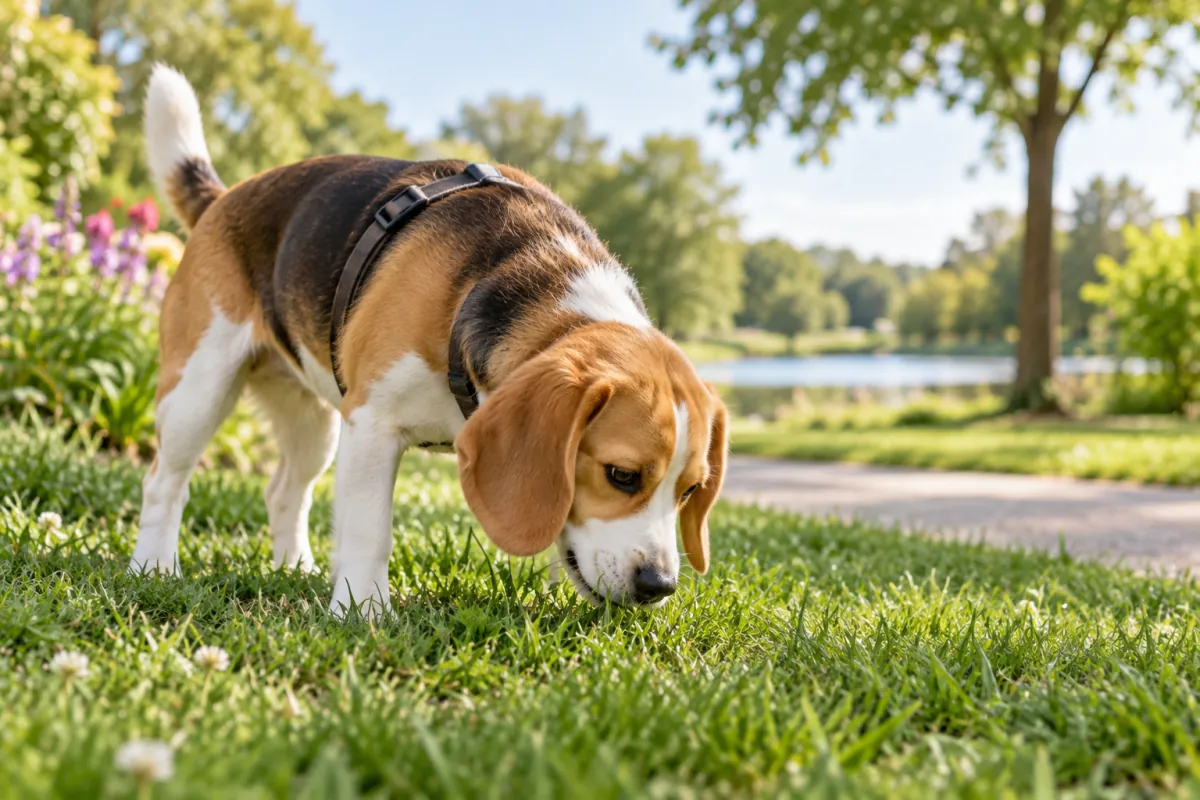
So can my dog eat grass? Occasional grazing may not require intervention when the dog is otherwise well. The goal is not to make grass part of your dog's diet. It is to recognize when ordinary grazing has changed into a pattern that deserves attention.
Should I Let My Dog Eat Grass When Sick?
If your dog is sick, do not use grass as a treatment. There is not enough evidence to assume that a dog eating grass when sick is trying to fix an upset stomach or nausea.

If your dog has an upset stomach, is repeatedly vomiting, refuses food or water, seems unusually tired, or has other signs of illness, focus on the symptoms rather than encouraging grass eating. A veterinarian can help determine what is actually causing the problem.
Should I Let My Dog Eat Grass to Throw Up?
This is one of the most common reasons owners ask, should I let my dog eat grass to throw up? The safest answer is not to deliberately encourage grass eating as a way to make your dog vomit.

Some dogs vomit after eating grass, but that does not prove that the grass was eaten specifically to induce vomiting. Dogs can eat grass for several reasons, and vomiting can have many different causes.
If your dog is already vomiting, do not assume that letting it eat more grass will solve the problem. Repeated vomiting, blood, weakness, fever, weight loss, refusal to eat or drink, or a dog that generally seems unwell are reasons to contact a veterinarian.
Should I Let My Dog Eat Grass When His Stomach Is Upset?
If your dog's stomach is upset, it is better to observe the whole picture instead of treating grass as a remedy. A dog eating grass with an upset stomach may simply be grazing, responding to nausea, following a habit, or showing a behavior that has nothing to do with the cause of the stomach problem.

Should I let my dog eat grass if his stomach is upset? You do not need to encourage it. If the stomach upset is mild and your dog remains bright, hydrated, and otherwise normal, monitoring may be reasonable. If symptoms persist, recur, or become more serious, speak with your veterinarian.
Changes in stool, appetite, or digestion that continue over time can also make it worth reviewing your dog's overall gut health. For dogs prone to recurring digestive upsets, probiotics for dogs are one of the options some owners discuss with their veterinarian as part of longer-term digestive support.
Why Do Dogs Eat Grass?
There is no single explanation for why dogs eat grass. Some dogs may simply like the taste or texture. Others may have inherited foraging behaviors, enjoy grazing, or eat grass when they are bored or looking for something to do.
Grass also provides roughage, but grass eating should not automatically be interpreted as proof that a dog has a nutritional deficiency. Dogs eating a balanced diet can still eat grass.
If you want to understand the behavior itself in more depth, our guide to why dogs eat grass breaks down the most common reasons in detail.
Do Dogs Eat Grass to Make Themselves Vomit?
Not necessarily. The idea that dogs deliberately eat grass to make themselves vomit is common, but grass eating does not establish that this is the dog's intention.
Some dogs vomit after eating grass, while many do not. That distinction matters. If your dog eats grass and throws up occasionally but is otherwise normal, monitor the pattern. If the behavior is frequent or accompanied by other symptoms, investigate the underlying issue with your veterinarian.
Is It Safe for Dogs to Eat Grass?
Grass can be safer when it comes from an area you know is untreated and reasonably clean. Avoid letting your dog graze where pesticides, herbicides, fertilizers, or other lawn chemicals may have been used.
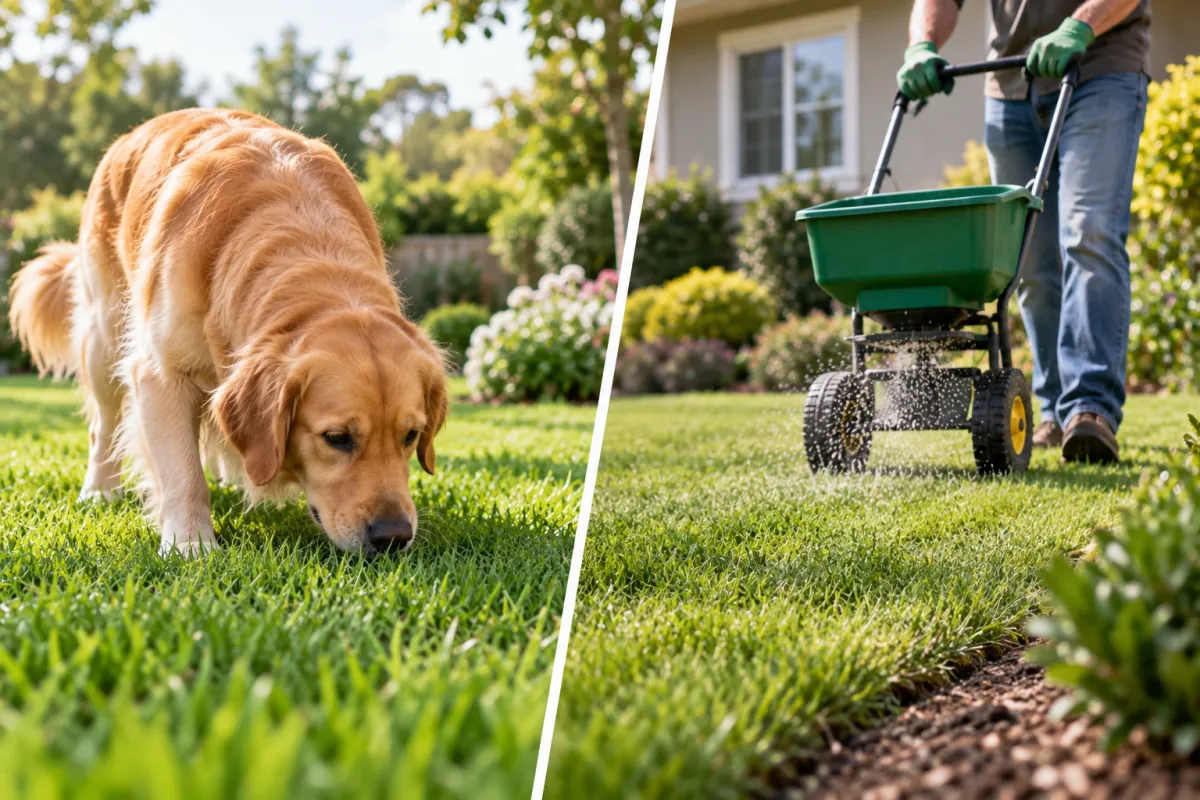
Also consider contamination from animal feces and parasites. If you cannot establish that the grass is safe, stopping your dog from eating it is the more sensible choice.
Should I Stop My Dog From Eating Grass?
You do not necessarily need to stop every instance of grass eating. Instead, look for patterns that change the situation.
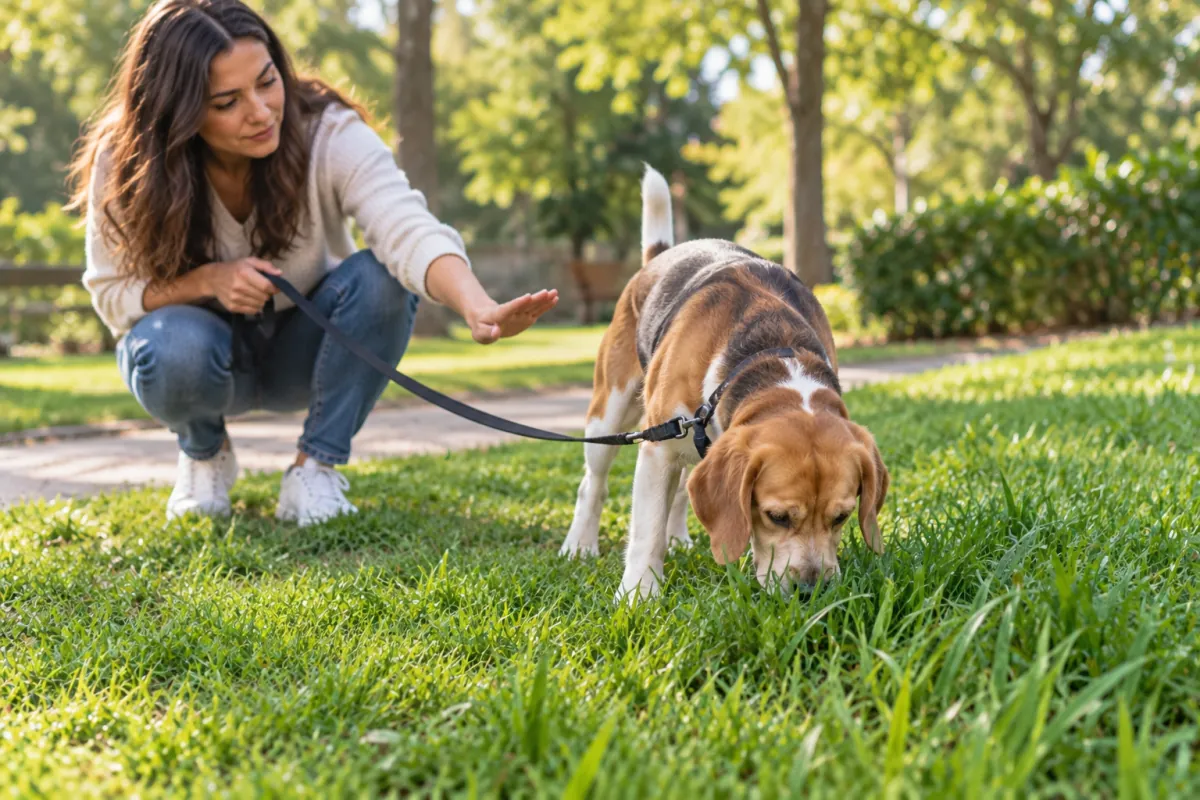
Consider stopping your dog if it is eating grass excessively, suddenly eating much more than usual, frantically grazing, eating grass from treated areas, or showing signs of illness. The same applies if your dog keeps eating grass every day and the behavior is accompanied by vomiting, diarrhea, lethargy, appetite changes, or other concerning signs.
When Should I Worry About My Dog Eating Grass?
Occasional grazing in an otherwise healthy dog is different from persistent grass eating with symptoms. Pay closer attention if your dog is eating grass all the time, suddenly starts eating large amounts, or seems uncomfortable or unwell.

Contact your veterinarian if grass eating is accompanied by repeated vomiting, blood, weakness, fever, weight loss, refusal to eat or drink, marked lethargy, or other significant changes in behavior. When in doubt, the dog's overall condition matters more than the grass eating itself.
If digestive symptoms keep returning rather than settling, an ongoing problem such as colitis in dogs is one of the conditions a veterinarian can help rule out.
Emergency note
If your dog may have ingested a known toxin, is having difficulty breathing, has seizures, collapses, is severely weak, or is showing another emergency sign, do not wait for a blog article to tell you what to do. Contact an emergency veterinarian or appropriate poison-control service immediately.
What If My Dog Eats Grass and Throws Up?
If your dog eats grass and throws up once but then returns to normal, eats and drinks normally, and remains bright, you can monitor the situation. One episode does not automatically mean the grass caused the vomiting or that your dog needs to eat more grass.
If vomiting keeps happening, your dog cannot keep water down, or other warning signs appear, contact your veterinarian. For a deeper explanation of the grass-and-vomiting question, see our guide on why dogs eat grass and vomit.
What About Grass Treated With Pesticides or Fertilizer?
Do not let your dog graze on grass when you are unsure whether it has been treated with pesticides, herbicides, fertilizer, or other lawn products. Treated grass can expose dogs to substances that may be harmful.
Safe grass for dogs is therefore less about a special type of grass and more about knowing the area is untreated, clean, and free from obvious contamination.
How Much Grass Can a Dog Eat?
There is no universal amount that should be treated as a healthy daily allowance. A few bites of grass during an occasional walk are different from a dog repeatedly filling its mouth with grass or seeking it out every day.
Rather than trying to establish a target amount, watch the pattern. Excessive grazing, sudden changes, vomiting, diarrhea, or other symptoms deserve more attention than an occasional nibble.
Why Does My Dog Want to Eat Grass?
Your dog may want to eat grass because it likes the taste or texture, enjoys grazing, is following a natural foraging behavior, or is simply looking for something to do. Boredom and habit can also contribute.

If the behavior suddenly becomes intense or occurs alongside illness, do not assume the grass itself explains the problem.
When boredom or a strong foraging drive seems to be part of the picture, giving your dog another outlet can help. Supervised enrichment such as sniffing games, training, and food puzzles gives that instinct somewhere useful to go, rather than sending your dog to the nearest patch of grass.
Affiliate disclosure: Some links on this page are Amazon affiliate links. If you purchase through one of these links, we may earn a commission at no additional cost to you. We only recommend products that are relevant to the topic discussed.

KONG Classic Dog Toy
A simple boredom-buster: The KONG Classic is a durable rubber enrichment toy that can be stuffed with appropriate food or treats. It gives dogs something productive to chew, lick, and work on instead of looking for their own entertainment outdoors.
- Durable natural-rubber design
- Can be stuffed with appropriate treats or food
- Available in different sizes
Best for: dogs that enjoy chewing and food-based enrichment.
Important: Choose the correct size and supervise your dog. Remove the toy if it becomes damaged.
Check KONG Classic on Amazon (opens in a new tab)
As an Amazon Associate, we may earn from qualifying purchases.

Nina Ottosson by Outward Hound Dog Brick
For dogs that love to forage: The Nina Ottosson by Outward Hound Dog Brick is an interactive puzzle toy with treat compartments that encourages dogs to search, sniff, and work out how to access rewards.
It can be useful as part of a broader enrichment routine for dogs that seem bored or highly motivated by foraging.
Best for: dogs that enjoy food puzzles and problem-solving.
Safety: Start at the appropriate difficulty level and supervise play. Inspect the toy regularly and remove it if damaged.
See the Dog Brick on Amazon (opens in a new tab)
As an Amazon Associate, we may earn from qualifying purchases.
These are enrichment options for a bored or foraging-driven dog, not treatments for grass eating or any medical condition.
Should I Let My Dog Keep Eating Grass?
If your dog occasionally eats a small amount of grass from a known, untreated area and remains completely well, there may be no need to stop every bite. But you should not encourage grass eating as a remedy for vomiting, nausea, or an upset stomach.
The practical rule is simple: occasional grazing plus a healthy dog is usually a monitoring situation; persistent or symptomatic grass eating deserves closer attention.
Frequently Asked Questions
Should I let my dog eat grass to throw up?
No. Do not deliberately encourage grass eating as a way to make your dog vomit. Dogs may vomit after eating grass, but that does not prove they ate it to induce vomiting.
Should I let my dog eat grass when sick?
No need to encourage it. Grass is not a proven treatment for sickness. If your dog is unwell, monitor the symptoms and contact your veterinarian when symptoms are persistent, severe, or accompanied by warning signs.
Should I let my dog eat grass if their stomach hurts?
You do not need to encourage grass eating for an upset stomach. Look at the dog's overall condition and seek veterinary advice if pain, vomiting, diarrhea, appetite changes, or other symptoms persist.
Can dogs eat grass safely?
Occasional grazing may be harmless for some dogs, especially on known untreated grass. Avoid areas treated with pesticides, herbicides, fertilizer, or other lawn chemicals.
Should I stop my dog from eating grass?
Not necessarily every time. Stop or redirect your dog when the grass may be contaminated, the grazing is excessive or sudden, or the dog is showing signs of illness.
Why does my dog eat grass when sick?
There is no single proven reason. Grass eating may reflect normal grazing, taste, habit, foraging behavior, boredom, or other factors. It should not automatically be treated as a remedy for sickness.
When should I worry about my dog eating grass?
Pay closer attention when grass eating is excessive, sudden, or accompanied by repeated vomiting, blood, weakness, fever, weight loss, refusal to eat or drink, lethargy, or other signs of illness.
Does grass make dogs vomit?
Some dogs vomit after eating grass, but vomiting after grass does not prove that grass was intentionally eaten to cause vomiting. Vomiting can have many causes.
Is eating grass bad for dogs?
Not automatically. The safety depends partly on the grass and surrounding environment. Treated lawns and contaminated areas are more concerning than known untreated grass.
Should I let my dog eat grass after throwing up?
Do not encourage more grass eating as a way to settle the stomach or trigger another vomit. If vomiting continues or your dog seems unwell, contact your veterinarian.
Related Articles
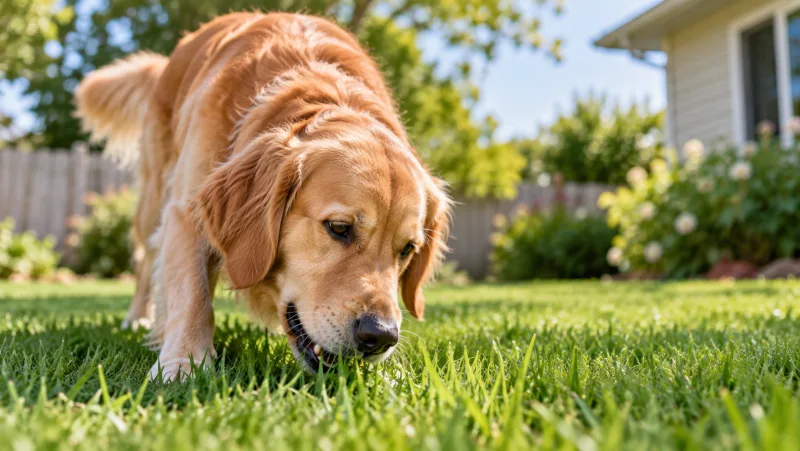 Why do dogs eat grass?
The common reasons behind the behavior, whether it is safe, and how to redirect the habit.
Why do dogs eat grass?
The common reasons behind the behavior, whether it is safe, and how to redirect the habit.
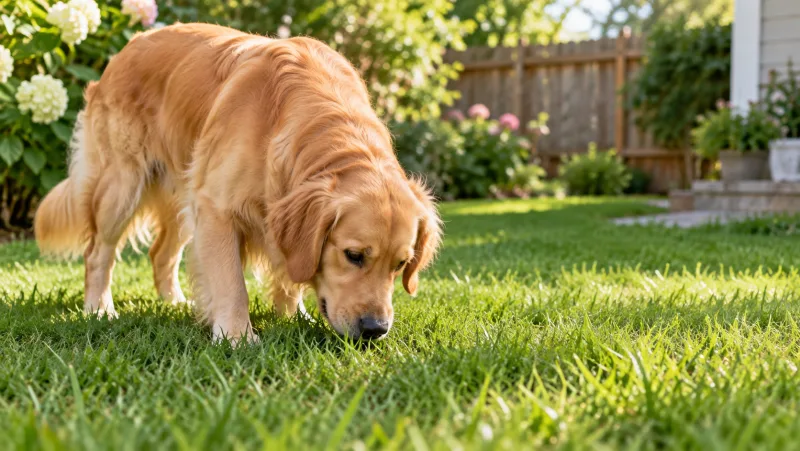 Why do dogs eat grass and vomit?
What may cause it, whether it is normal, and when vomiting means a vet visit.
Why do dogs eat grass and vomit?
What may cause it, whether it is normal, and when vomiting means a vet visit.
 Dog gut health
Practical ways to support steady digestion and a settled stomach over time.
Dog gut health
Practical ways to support steady digestion and a settled stomach over time.
 Dog diarrhea
What causes loose stools, home care, and the red flags that need a vet.
Dog diarrhea
What causes loose stools, home care, and the red flags that need a vet.
Sources & editorial references
- VCA Animal Hospitals. "Why Do Dogs Eat Grass?" vcahospitals.com
- Merck Veterinary Manual. "Disorders of the Stomach and Intestines in Dogs." merckvetmanual.com
- ASPCA. Lawn, garden and treated-area pet-safety guidance; Animal Poison Control. aspca.org
Affiliate note: this page contains Amazon affiliate links to product search results for the items discussed. As an Amazon Associate we earn from qualifying purchases, at no extra cost to you. We link to search results rather than making price, availability or rating claims, and no product is presented as a treatment for grass eating or any medical condition.
Medical note: This article is general education for dog owners, not veterinary advice, diagnosis, or treatment. Grass eating can occasionally accompany a health problem — always consult your veterinarian, especially for persistent, sudden, or severe symptoms, or for puppies, seniors, and unwell dogs.