Dog Health
Best Probiotic for Dogs: Our Top Picks Compared
The best probiotic for dogs isn't one winning brand — it's the product that meets sensible quality criteria and fits your dog. This guide compares nine specific dog probiotics up front — soft chews, a vet-familiar tablet and a liquid alternative — then gives you the criteria that separate a strong dog probiotic from a weak one, so you can judge any option and choose one your dog will take every day.
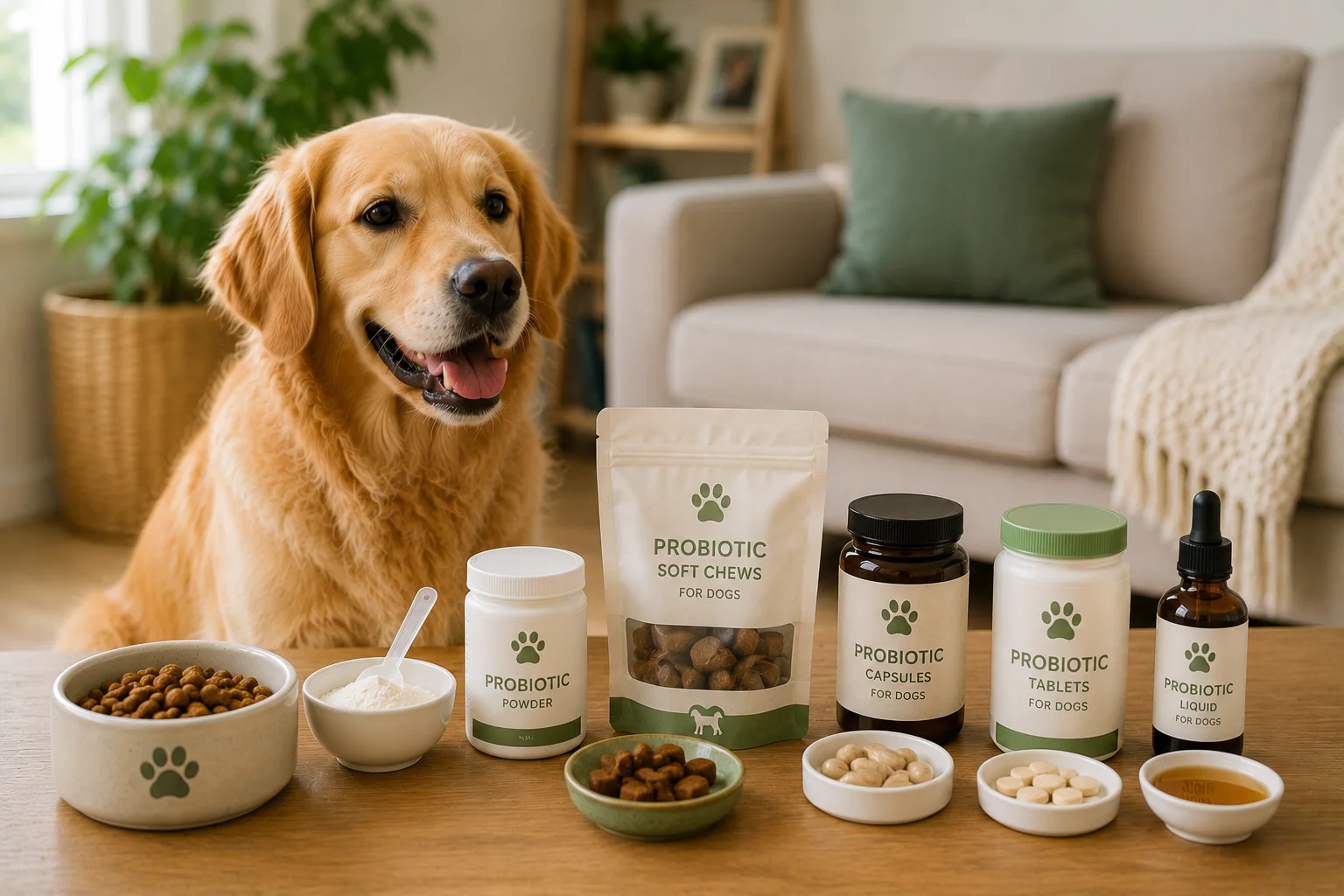
The short answer
There is no single best probiotic for dogs, because strains, potency and individual dogs all vary. The best probiotic for your dog is one that names its strains and amounts, guarantees potency through the expiry date, is formulated for dogs by a transparent manufacturer, and arrives in a format your dog will actually take every day — bought on terms that let you stop if it doesn't help. The nine products compared below are strong starting points to judge against that checklist, not an objective leaderboard. If your dog is genuinely unwell, the right first step is your veterinarian, not a supplement.
How we approach recommendations: our guidance is criteria-based and independent. This page contains affiliate links: Amazon links for the products we describe, plus PawBiotix links in a clearly separated section. As an Amazon Associate I earn from qualifying purchases, and we may earn a commission if you buy through our links — at no extra cost to you. Affiliate relationships never change our conclusions and we don't lab-test products. We don't display Amazon prices here — check each product's Amazon listing for the current price, which can change. Where shown, the Amazon star rating and customer-rating count are owner-verified figures taken from each product's Amazon listing and checked for this guide on 11 September 2026; these are Amazon customers' own numbers, not a BestPetCareTips score, and can change too. Where a figure wasn't independently verified for a product we say “See listing” rather than guess. See our disclaimer.
Best Probiotic for Dogs: Quick Comparison
Here are the nine dog probiotics in this guide — eight chewable products (soft chews and one vet-familiar probiotic tablet) plus PawBiotix, a liquid alternative for dogs that refuse chews — compared on the things that actually help you choose. It's the fastest way to line up the best probiotics for dogs side by side: a map of what each one is and who it suits, not a ranked scoreboard, and PawBiotix is a non-chew option listed for completeness rather than ranked against the others. Full write-ups follow in the nine products in detail.
| Product | Format | Count | Amazon rating | Reviews | Best for | Where to buy |
|---|---|---|---|---|---|---|
| Zesty Paws Probiotic Bites | Soft chew | See listing | See listing | See listing | Everyday all-rounder | Amazon (opens in a new tab) |
| Purina Pro Plan FortiFlora Chewable Tablets | Chewable tablet | 45 tablets | 4.7/5 | 5,164 | Vet-familiar single strain | Amazon (opens in a new tab) |
| Vet's Best Probiotic Soft Chews | Soft chew | See listing | See listing | See listing | Widely stocked multi-strain | Amazon (opens in a new tab) |
| PetLab Co. Probiotic Chews | Soft chew | 30 soft chews | 4.2/5 | 48,749 | Synbiotic + skin/seasonal | Amazon (opens in a new tab) |
| NaturVet Advanced Probiotics & Enzymes | Soft chew | 120 soft chews | 4.6/5 | 4,673 | Probiotic + digestive enzymes | Amazon (opens in a new tab) |
| Pet Naturals Daily Probiotic Soft Chews | Small soft chew | See listing | 4.4/5 | 10,430 | Small dogs, clean label | Amazon (opens in a new tab) |
| VetriScience Gut Health (Probiotic Everyday) Soft Chews | Soft chew | 120 count | 4.5/5 | 406 | Simple single-strain daily | Amazon (opens in a new tab) |
| Nutri-Vet Pre & Probiotic Soft Chews | Soft chew | 120 count | 4.5/5 | 550 | Budget multi-strain | Amazon (opens in a new tab) |
| PawBiotix: A Liquid Alternative | Liquid (not a chew) | 1 fl oz × 3 | 4.0/5 | 282 | Readers who prefer a liquid | Official site (opens in a new tab) + Amazon (opens in a new tab) |
About this comparison: we don't display Amazon prices — check each product's listing for the current price, which can change. The Amazon star rating and customer-rating count shown are owner-verified from each product's Amazon listing, checked for this guide on 11 September 2026; they are each product's own Amazon figures, not an independent BestPetCareTips score, and a high count is popularity, not proof a product will suit your dog. Where a current figure wasn't independently verified we say “See listing” rather than guess. Strain, CFU and format details are manufacturer/label information, not medical claims, and no product here treats or cures any condition.
Affiliate Disclosure: The Amazon links in the next section go to each product's Amazon listing so you can check the current details yourself. As an Amazon Associate I earn from qualifying purchases, at no additional cost to you. These are contextual suggestions to help you compare the best probiotic for dogs, not medical recommendations, and no product here is a treatment for any condition.
How We Evaluated These Dog Probiotics
This isn't a lab test. We didn't feed these products head-to-head or measure their CFU ourselves, and we hold no veterinary credential. What we did was apply the transparent checklist further down this page to each product's current Amazon listing and the manufacturer's own materials, then position each one by the need it genuinely fits — small dogs, enzyme support, a vet-familiar strain, budget, or a liquid for dogs that refuse chews.
We used the Amazon listings and maker materials as research to select and describe these products. We don't display Amazon prices — check each product's listing for the current price. For products where we could verify them, we show two figures taken straight from the Amazon listing — the star rating and the number of customer ratings — checked for this guide on 11 September 2026; where a figure wasn't independently verified for a product we say “See listing” rather than guess. These are Amazon's own numbers, reported as-is, not an independent BestPetCareTips rating, and a high customer-rating count is popularity, not proof a product will suit your dog. We don't turn customer anecdotes into medical evidence, and where “best” appears by category it means best suited to a particular need, never an objective winner.
Full write-ups of all nine products follow, in the same order as the table above — the eight chewable products first, then PawBiotix as a clearly separated liquid alternative. Remember that the best probiotic for dogs is the one that fits yours: match each to your dog's size and needs, confirm the current label, and introduce any new supplement gradually.
1. Zesty Paws Probiotic Bites
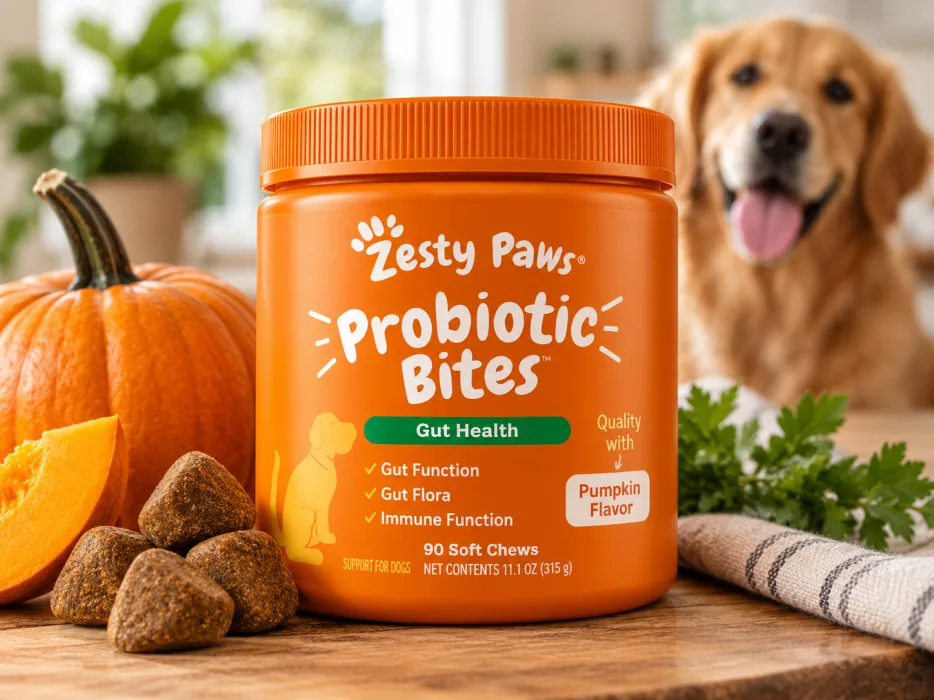
A dependable, palatable multi-strain soft chew that suits most dogs with no special requirement — a sensible default starting point.
What makes it different
Pairs spore-forming Bacillus species with the beneficial yeast Saccharomyces boulardii, plus prebiotic fibre and pumpkin, at a stated ~3 billion CFU — bacteria, yeast and prebiotic in one chew.
Consider. Sold in several similar “Bites” variants (including a lower-potency puppy version), so confirm the exact strains, CFU and flavour on the current label.
2. Purina Pro Plan FortiFlora Chewable Tablets
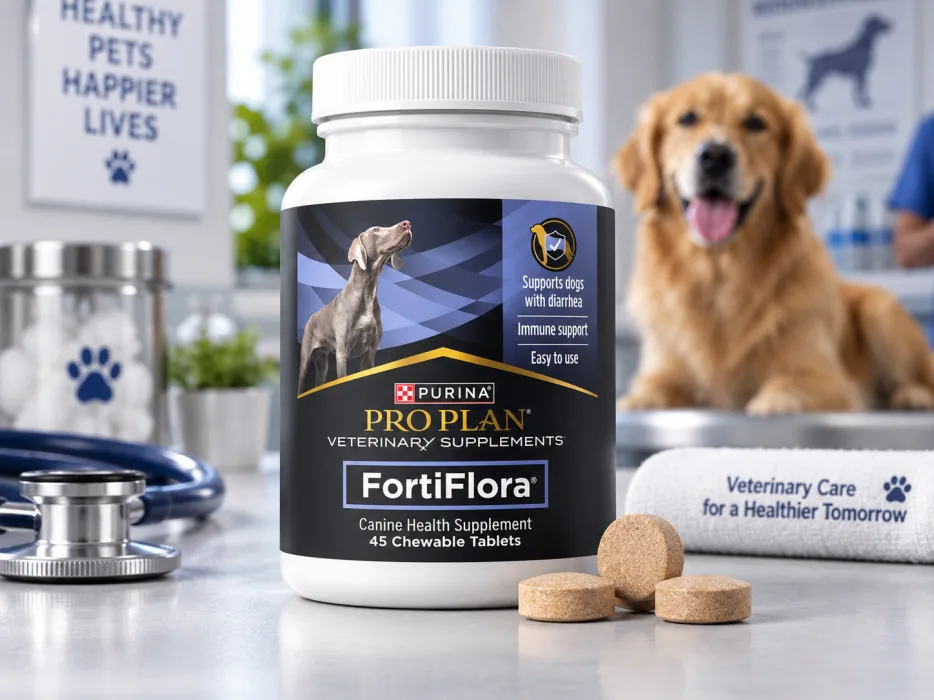
The chewable-tablet form of the single strain many veterinary clinics reach for first — a focused, clean-to-give option.
What makes it different
Delivers one well-studied strain, Enterococcus faecium SF68, microencapsulated — no sprinkling and no powder to pick around.
Consider. Single-strain with no added prebiotic; FortiFlora also comes as a powder and a separate synbiotic line, so make sure you are buying the chewable tablet.
3. Vet's Best Probiotic Soft Chews
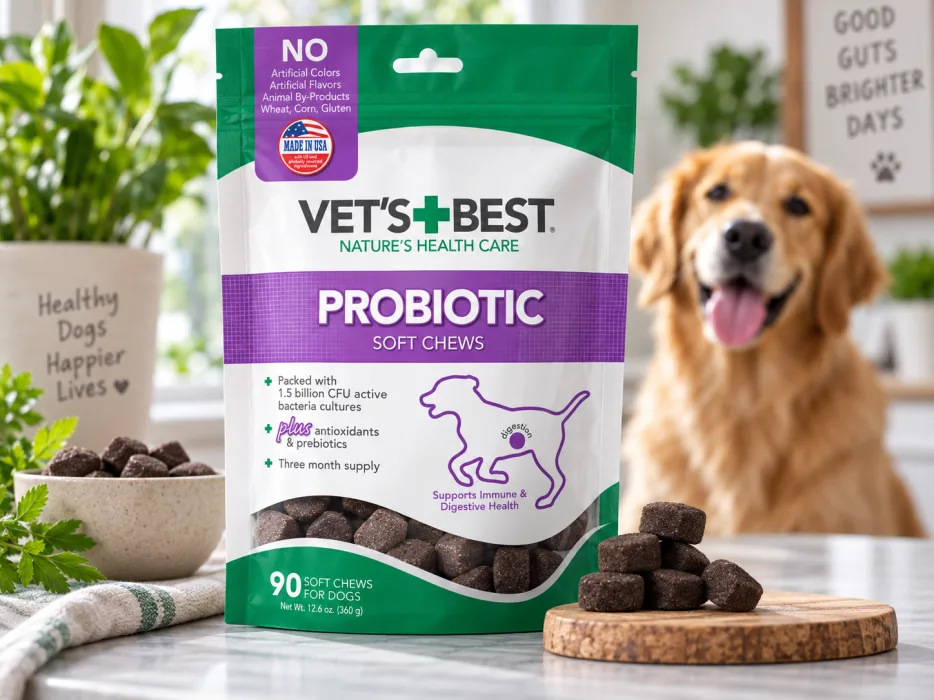
A dependable, easy-to-find named multi-strain chew from an established brand.
What makes it different
Built on six named strains with inulin and kelp as prebiotic support at a stated 1.5 billion CFU, in a simple once-daily chew.
Consider. Total CFU is modest next to some spore-based chews, and it contains chicken liver, so it is not the pick for a dog you are keeping off poultry. Check the live Amazon listing for its current price and customer reviews.
4. PetLab Co. Probiotic Chews
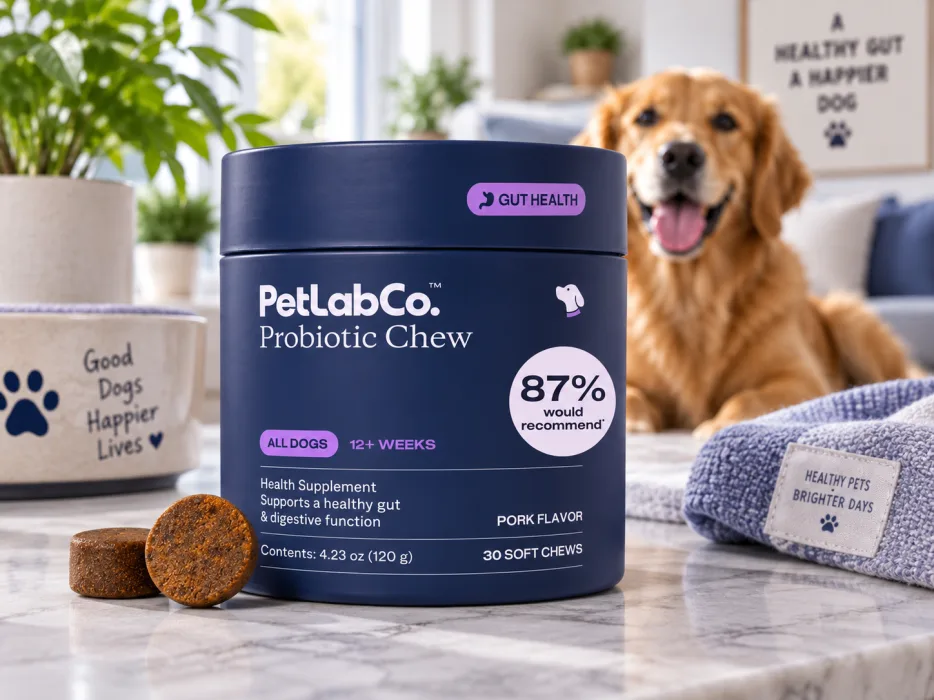
A full synbiotic chew for owners who specifically want probiotic, prebiotic and postbiotic in a single product.
What makes it different
A multi-strain synbiotic: the current Amazon listing describes an 8-strain probiotic blend with two prebiotic fibres (FOS and GOS) and a postbiotic yeast blend. PetLab has reformulated over time, so confirm the strains and CFU on the label you're buying.
Consider. Treat the skin and seasonal-comfort messaging as manufacturer positioning, not proven treatment; the 30-count tub is small for a large dog.
5. NaturVet Advanced Probiotics & Enzymes
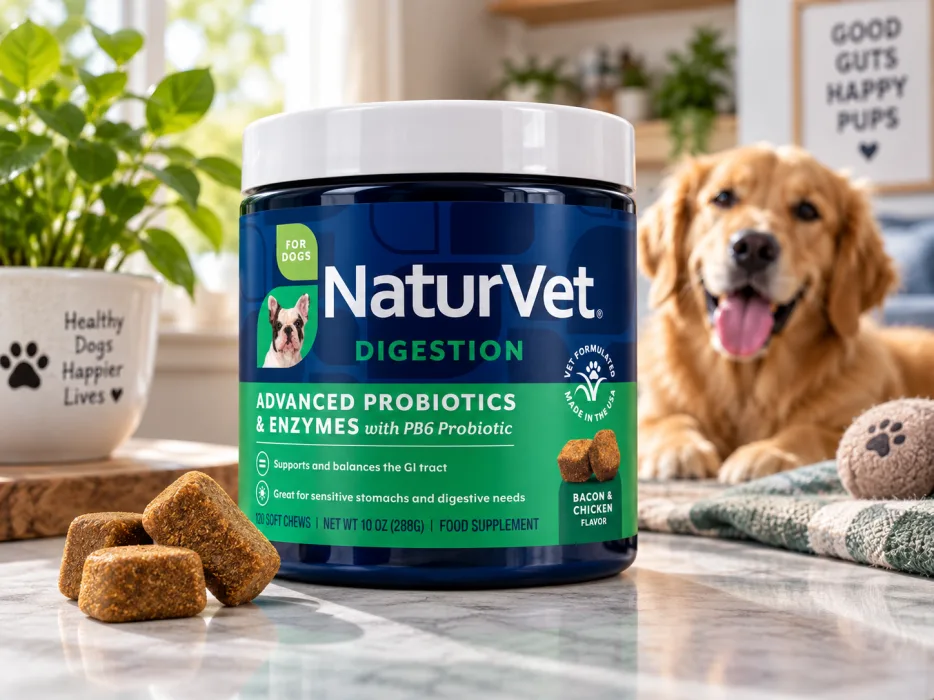
The pick when you want digestive-enzyme support as well as the bacteria, for a dog that seems to struggle breaking down food.
What makes it different
Combines two spore-forming probiotics (B. subtilis PB6 and B. coagulans) with four digestive enzymes — amylase, lipase, cellulase and protease.
Consider. The dose scales with body weight (up to four chews a day for large dogs) and it is intended for intermittent or supplemental feeding.
6. Pet Naturals Daily Probiotic Soft Chews
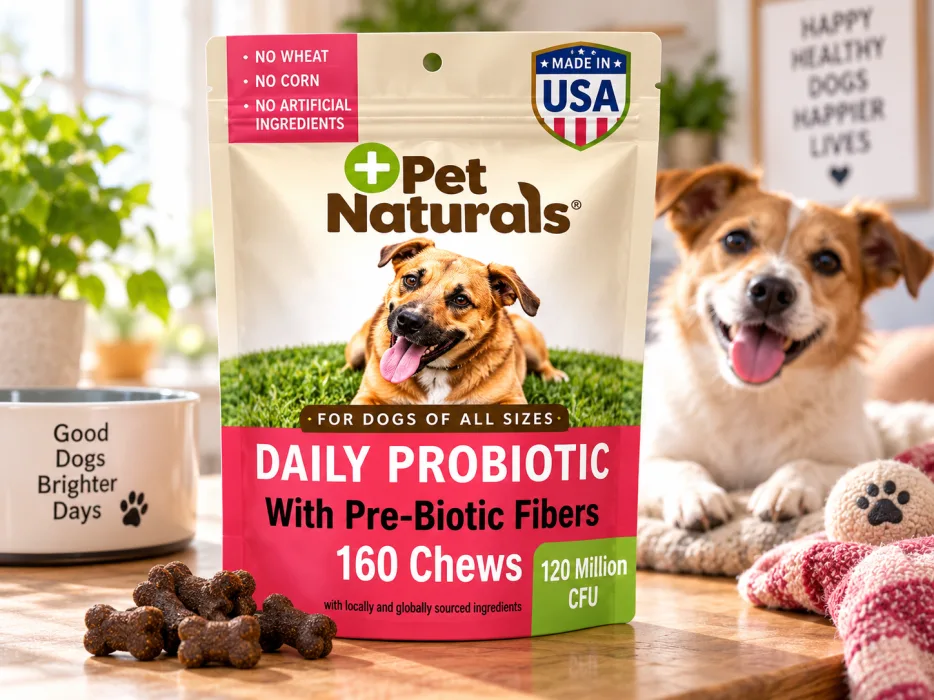
A genuinely small, clean-label chew that suits small breeds and fussy small-breed eaters.
What makes it different
A single well-characterised strain (B. coagulans, GanedenBC30) with FOS prebiotic, free of wheat, corn and artificial ingredients.
Consider. Listing titles and the guaranteed analysis can express CFU differently (per chew versus per gram), so read the label carefully.
7. VetriScience Gut Health (Probiotic Everyday) Soft Chews
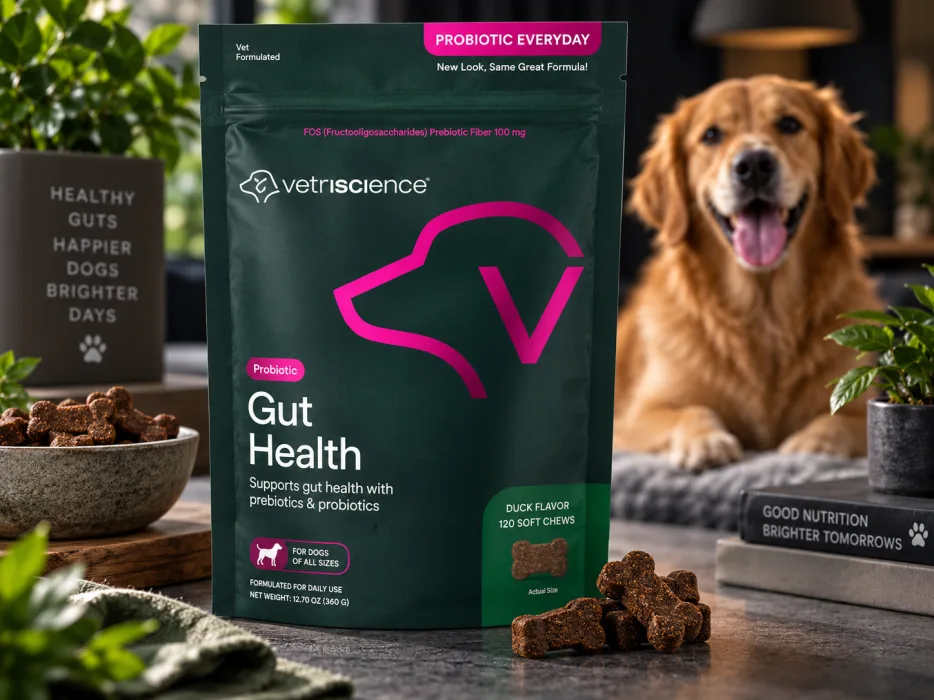
A straightforward, sensibly dosed single-strain chew for daily support from an established supplement maker.
What makes it different
One highly stable spore-forming strain (B. coagulans, GanedenBC30) at a stated 1 billion CFU per chew, with FOS prebiotic fibre.
Consider. Single-strain rather than multi-strain; the line is transitioning names, so search both “Probiotic Everyday” and “Gut Health”.
8. Nutri-Vet Pre & Probiotic Soft Chews
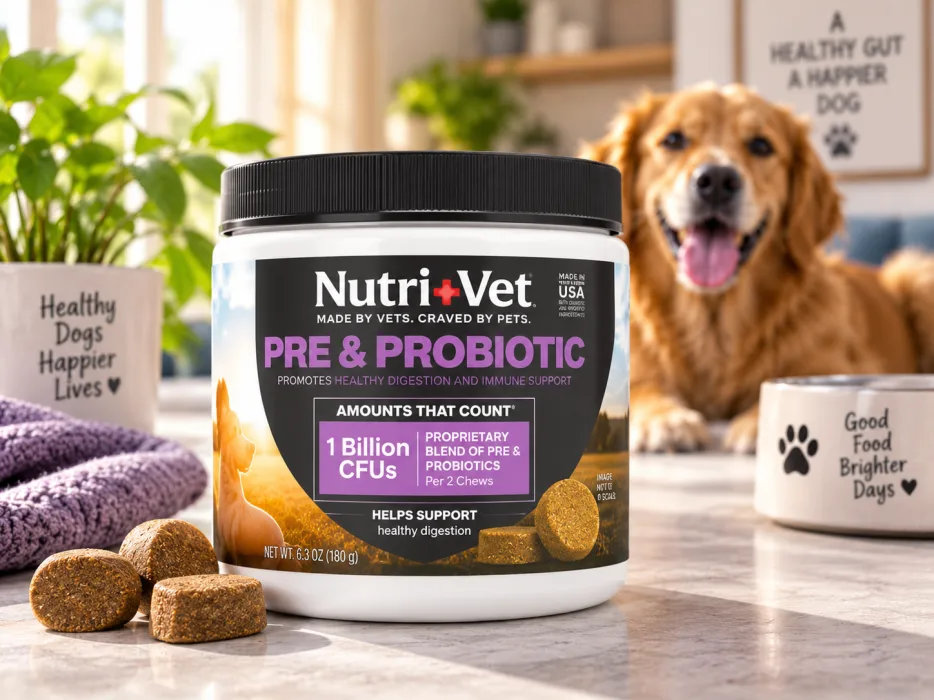
The value pick: named multi-strain basics plus a prebiotic, without a premium.
What makes it different
Three named strains (L. acidophilus, B. bifidum and E. thermophilus) at a stated 1 billion CFU with inulin as a prebiotic.
Consider. These Lactobacillus-type strains are less acid-hardy than spore-formers, so through-expiry potency and storage matter more; it contains dairy and liver.
9. PawBiotix: A Liquid Alternative to Probiotic Chews
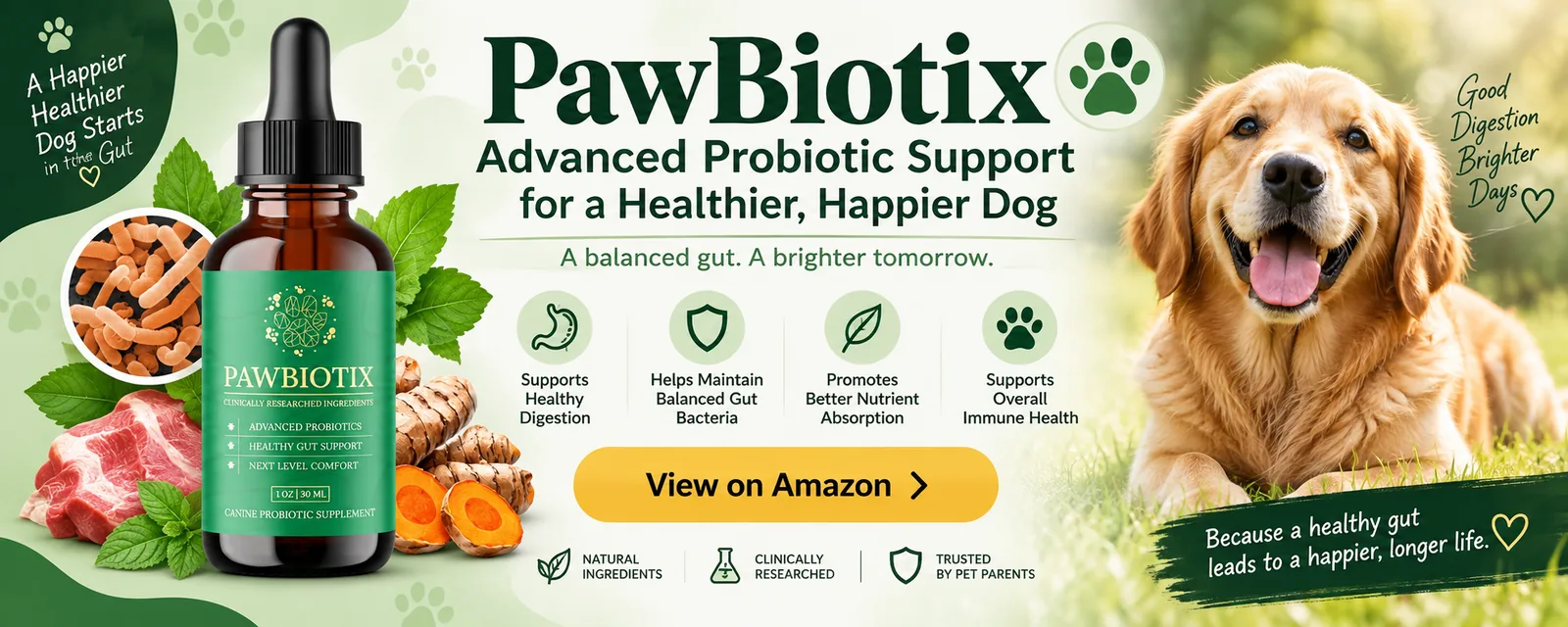
PawBiotix is a liquid dog probiotic, not a chew, so it sits outside the eight products above — we include it here, as product nine, purely as a format alternative for dogs that refuse chews or owners who prefer to dose a liquid into food. It is not ranked against the others. We describe it from the maker's stated information and our PawBiotix write-up; we don't independently verify manufacturer claims.
Two separate purchasing paths
- Official PawBiotix (ClickBank): the seller's own page, where the multi-bottle packages, bonus guides and 60-day guarantee apply. This is a different retailer from Amazon.
- Amazon: PawBiotix is also listed separately on Amazon as a liquid — an alternative purchasing path with its own terms; the official-site packages and guarantee do not necessarily apply there.
Consider. A reasonable format alternative if your dog won't take chews — judged on the same criteria (named strains, potency, a transparent maker, terms that let you stop), not ranked against the eight products above. If your dog is genuinely unwell, see your veterinarian first.
Affiliate Disclosure: the PawBiotix links below are affiliate links — BestPetCareTips may earn a commission if you buy through them, at no extra cost to you. This does not affect our editorial judgment, and PawBiotix is a liquid alternative here, not our pick of the group.
See the current PawBiotix offer (opens in a new tab) Check PawBiotix on Amazon (opens in a new tab) Read our full PawBiotix write-up
Why "Best Dog Probiotics" Is the Wrong First Question
A probiotic that helps one dog may do nothing noticeable for another, because strains, potency, and individual dogs all vary. A better question is: which product meets sensible quality criteria and fits your dog's routine? Start there.
The Criteria That Make the Best Dog Probiotics
- Named strains and amounts. The label should say which organisms are inside and how much — not just "probiotic blend."
- Potency through expiry. Since probiotics are live, look for potency guaranteed to the expiry date, not just "at time of manufacture."
- Formulated for dogs. A canine-specific product is generally preferred over a human one.
- Prebiotic pairing where it makes sense. Fiber (like inulin) can feed the bacteria; a synbiotic combines both.
- Credible manufacturing. Made under recognised quality practices, by a company that's transparent about it.
- Honest, complete labeling. Clear ingredients, directions, and contact details — no vague claims.
- A format your dog will accept. The best product is the one your dog will actually take every day.
- Purchase terms that let you stop. A satisfaction guarantee and no lock-in reduce the risk of trying.
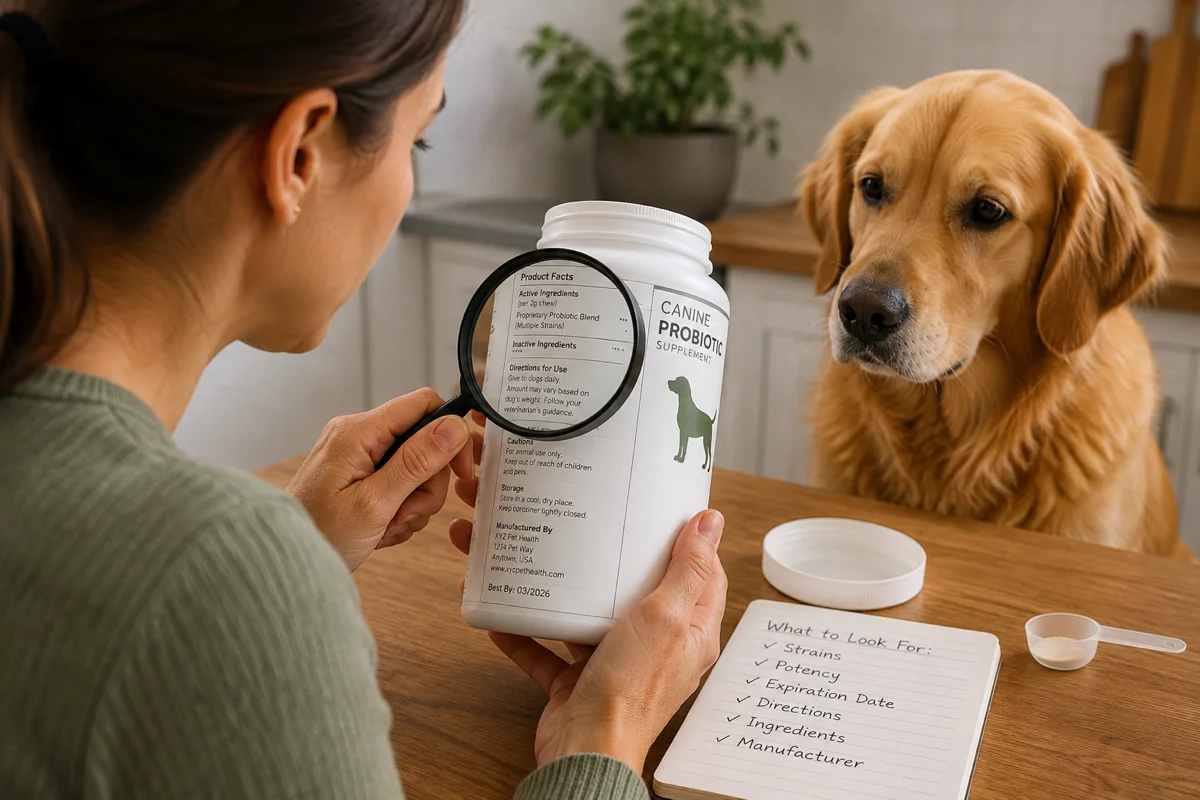
Affiliate Disclosure: The Amazon links in the next section go to product-category searches so you can compare formats yourself. As an Amazon Associate I earn from qualifying purchases, at no additional cost to you.
Comparing the Best Dog Probiotics by Format
Format is often the deciding factor in real life. Here's how the main options compare — this is a comparison of formats, not of specific brands:
| Attribute | Powder | Chews |
|---|---|---|
| Dosing to weight | Easy to adjust | Fixed per chew |
| Fussy eaters | Mixes into food | Often taken as a treat |
| Convenience on the go | Less convenient | Very convenient |
| Added ingredients | Often minimal | May include binders/flavors |
Beyond powders and chews, you'll also see soft chews marketed like treats, capsules or tablets, liquids, and probiotic pastes (often used for short-term digestive upsets). Liquids and pastes can suit fussy eaters, and soft chews are convenient for dogs that treat them as a snack — but the same criteria apply to every format. The right choice is whichever your dog takes reliably, day after day. If chews are your preference, our best chewable probiotic for dogs guide compares those in more detail. Note too that not every liquid dog supplement is a probiotic: UltraK9 Pro, for instance, is a whole-food liquid supplement rather than a probiotic, and our UltraK9 Pro review covers its ingredients, dosage and manufacturer guidance if you're comparing supplement categories.
To see what each format looks like in practice, you can browse dog probiotic powders on Amazon (opens in a new tab), probiotic soft chews (opens in a new tab), or probiotic paste (opens in a new tab), then judge any option against the label criteria above rather than the marketing. These are broad category searches rather than specific products, so we don't quote prices for them — check the current product page.
Matching a Probiotic to Your Dog's Situation
Many owners start looking for a probiotic because of a specific problem rather than general maintenance. The criteria above still apply, but the situation can shape which format and strains make sense — and, just as often, whether a supplement is the right first step at all. Age matters too: many chews are labelled for dogs over a certain age, and probiotics for puppies should follow the product's minimum-age guidance, with any unwell puppy seen by a vet rather than managed with a supplement alone.
After diarrhea or loose stools
Probiotics are one of the better-studied uses in dogs for shortening ordinary, short-lived loose stools and for settling digestion after an upset. They are supportive care, not a treatment for the underlying cause: diarrhea that is bloody, persistent, or paired with vomiting, lethargy or a poor appetite needs a veterinarian first, and inflammatory conditions such as colitis in dogs need a proper work-up rather than a supplement alone. We cover the evidence, timing and expectations in probiotics for dog diarrhea, and the wider picture in our dog diarrhea guide. For what to actually put in the bowl during and after a bout, see dog food for diarrhea.
After a course of antibiotics
Antibiotics can disrupt the gut's normal bacteria, and this is a common reason owners reach for a probiotic. Timing and strain choice matter here — see probiotics for dogs after antibiotics for how to space doses and what the research does and doesn't show.
Dogs with a sensitive stomach
For a dog that is frequently gassy or has an easily-upset stomach, diet usually does the heavy lifting; a probiotic is a possible complement, not a replacement for the right food. If food is the main lever, start with the best dog food for a sensitive stomach, and read dog gut health for how diet, fiber and bacteria fit together.
Itchy skin and yeast questions
Some owners look for a probiotic to help with itching or recurrent yeast, on the basis that gut and skin health are linked. The honest position is that the evidence here is limited and mixed, and itching has many causes — allergies, parasites and skin infections among them. A probiotic may be a reasonable addition for some dogs, but persistent itching or skin problems deserve a veterinary work-up rather than a supplement alone.
Best Dog Probiotics: Label Red Flags to Avoid
- No named strains, or "proprietary blend" with no amounts
- Potency only "at manufacture," with no through-expiry guarantee
- Big health claims (curing disease, guaranteed results) — a supplement shouldn't promise these
- No manufacturer transparency or contact information
How to Trial the Best Dog Probiotics Properly
Introduce it gradually, follow the label's amount for your dog's weight (our dog probiotic dosage guide explains how much to give), give it consistently for a few weeks, and watch the things that matter: stool quality, gas, appetite, energy, and comfort. Simple notes help you judge honestly. If you see no benefit — or if your dog becomes unwell — stop and talk to your veterinarian.
Best Dog Probiotics: Frequently Asked Questions
What is the best probiotic for dogs?
There is no single best probiotic for dogs, because strains, potency and individual dogs all vary. The best probiotic for your dog names its strains and amounts, guarantees potency through the expiry date, is made for dogs by a transparent manufacturer, and comes in a format your dog will take every day. The nine products compared above are strong options to judge against that checklist, not an objective winner.
What should I look for in a dog probiotic?
Named strains and amounts, potency guaranteed through expiry, a canine-specific formula, credible manufacturing, honest labeling, a format your dog will accept, and purchase terms that let you stop.
Is a powder, chew, or liquid best?
No single format is best. Powders dose easily to weight; chews are convenient; liquids can suit fussy eaters. The best format is the one your dog takes consistently.
How long should I trial one?
Give it consistently for a few weeks and watch stool quality, gas, appetite and comfort. No benefit — or an unwell dog — means stop and talk to your vet.
Which probiotic do vets recommend for dogs?
There isn't one universal pick. Vets often start with products they know well and that name their strains — Purina FortiFlora and Nutramax Proviable are common examples — but the right choice depends on your individual dog and the reason for using it. Ask your own veterinarian, who knows your dog's history.
What are the signs my dog might benefit from a probiotic?
Common triggers include recovering from a bout of diarrhea, finishing a course of antibiotics, or a dog that is often gassy or has loose stools. Ongoing or severe symptoms are a reason to see a vet, not just to try a supplement.
Can I give my dog a probiotic every day?
Canine probiotics are generally intended for daily use, and many owners give them long-term for maintenance. Follow the product's directions, introduce it gradually, and check with your vet if your dog is very young, elderly, pregnant, immunocompromised or on medication.
Do probiotics help dogs with itchy skin or yeast?
The evidence is limited and mixed. Because itching and yeast have many causes, a probiotic may help some dogs as part of a broader plan but shouldn't replace a veterinary assessment of persistent skin problems.
Related Articles
 PawBiotix review: our criteria applied
These buying criteria applied to one specific product, including what we could and couldn't verify.
PawBiotix review: our criteria applied
These buying criteria applied to one specific product, including what we could and couldn't verify.
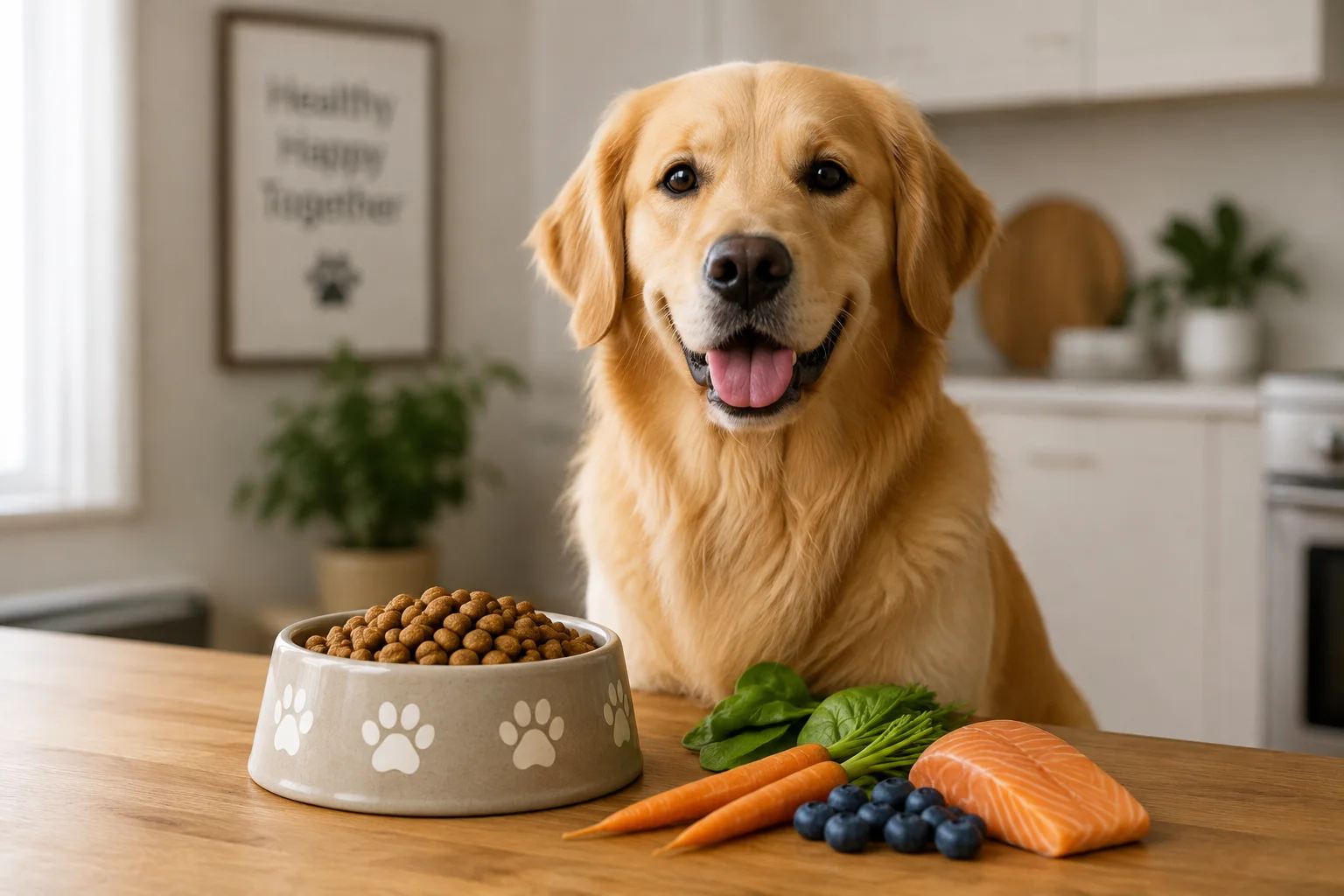 Dog gut health: a practical guide
The everyday habits that shape digestion, and where a probiotic does and doesn't fit.
Dog gut health: a practical guide
The everyday habits that shape digestion, and where a probiotic does and doesn't fit.
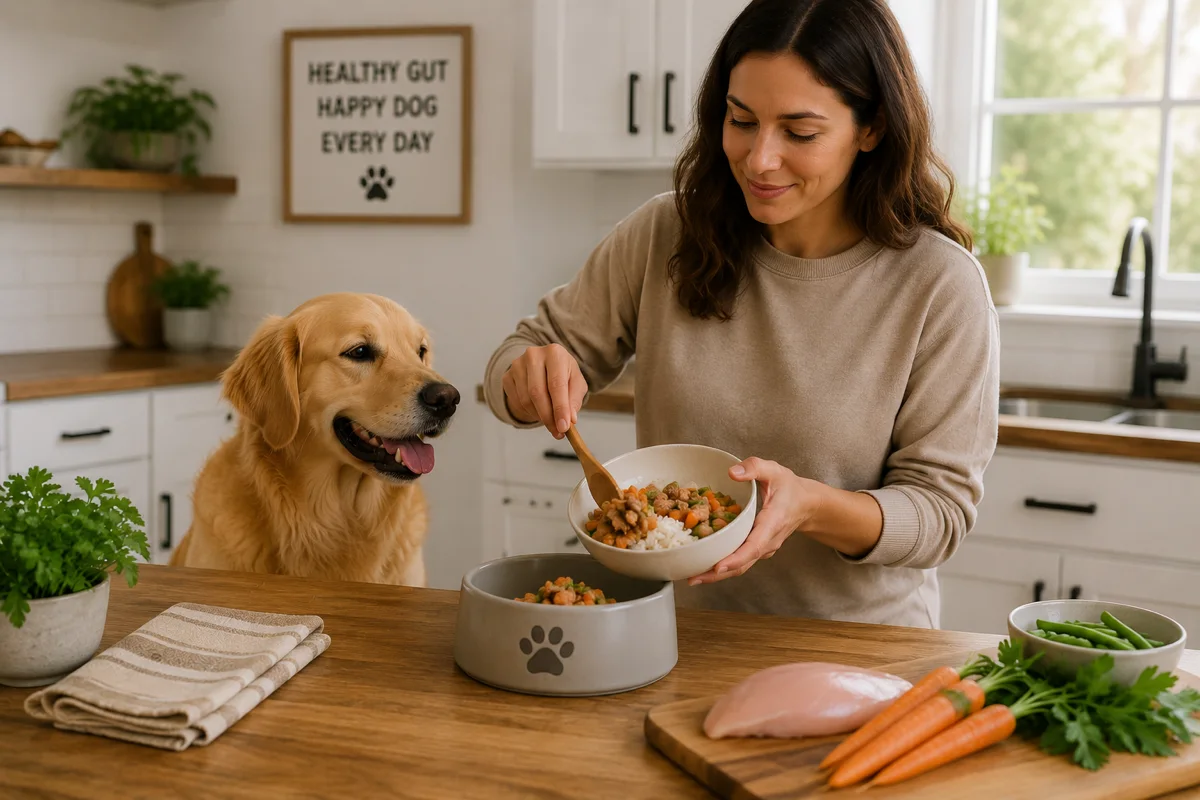 All our dog probiotics guides
What probiotics are, safety, dosage, diarrhea and use after antibiotics — the full section.
All our dog probiotics guides
What probiotics are, safety, dosage, diarrhea and use after antibiotics — the full section.
References
- PetMD (vet-reviewed). "Probiotics for Dogs." petmd.com
- American Kennel Club (AKC). "Dog Probiotics." akc.org
Medical note: General education, not veterinary advice. Ask your veterinarian whether a probiotic is appropriate for your dog.